🦷 General Care
✨ Treatments
👶 Family Care
💚 Wellness
💡 Resources

🦷 General Care
✨ Treatments
👶 Family Care
💚 Wellness
💡 Resources

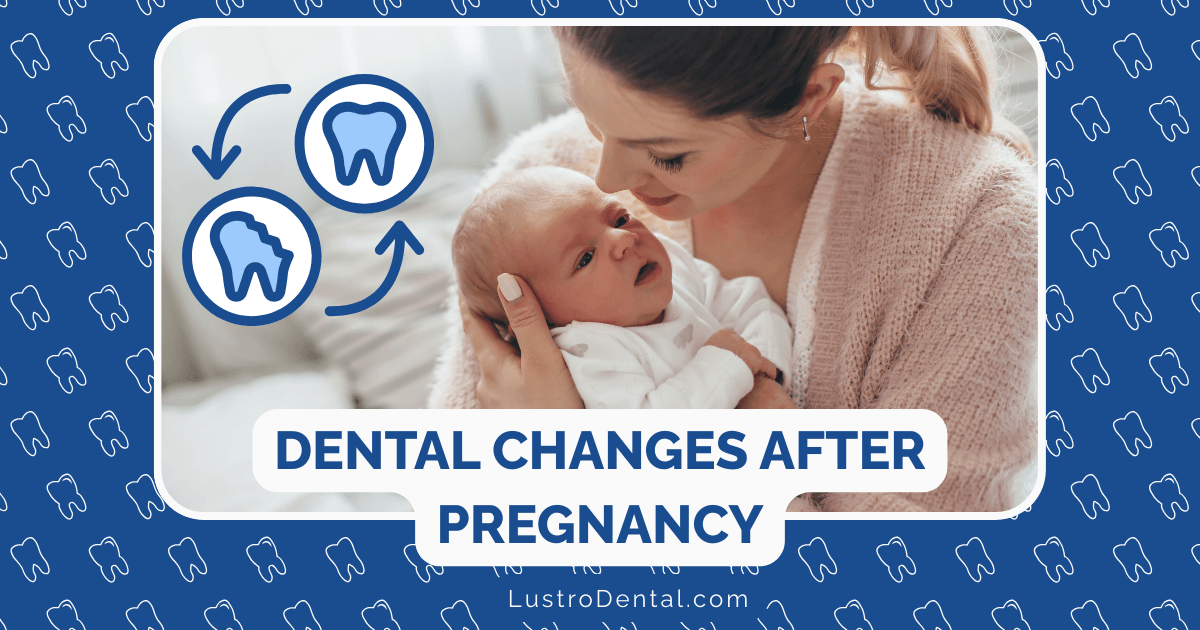
When a new baby arrives, a mother’s focus naturally shifts to caring for her newborn. Amid midnight feedings, diaper changes, and adjusting to a new normal, personal health concerns—especially dental health—often take a backseat. Yet the postpartum period brings unique challenges for oral health that deserve attention.
As someone who has guided countless new mothers through their dental journeys, I’ve witnessed firsthand how pregnancy and childbirth can affect oral health. The good news? With proper knowledge and care, you can address these changes effectively and maintain a healthy smile while embracing motherhood.
The journey of pregnancy transforms nearly every system in a woman’s body—and the mouth is no exception. While many expectant mothers are aware of pregnancy-related dental issues, fewer realize that these changes don’t simply disappear after delivery.
During pregnancy, elevated levels of estrogen and progesterone increase blood flow to the gum tissue, often resulting in what dentists call “pregnancy gingivitis.” According to a recent study published in Medical Xpress, these hormonal effects don’t immediately normalize after childbirth.
Dr. Sarah Johnson, a periodontist specializing in maternal oral health, explains: “Postpartum oral inflammation can persist for up to three months after delivery, even as hormone levels begin to stabilize. This extended inflammatory response means new mothers remain vulnerable to gum problems well into the fourth trimester.”
Beyond hormonal influences, the realities of caring for a newborn create additional challenges for oral health:
As noted by researchers at the University of Iowa College of Dentistry, these factors combine to create a perfect storm for potential dental problems during the postpartum period.
Let’s explore the specific oral health issues that many new mothers face and how to address them effectively.
While pregnancy-induced gingivitis typically improves after delivery, it doesn’t always resolve completely without intervention. Signs of persistent gingivitis include:
A study published in the Journal of Maternal and Child Health found that approximately 60-75% of women experience gingivitis during pregnancy, with symptoms potentially lasting up to three months postpartum.
Solution: Maintain a consistent oral hygiene routine with gentle but thorough brushing twice daily and daily flossing. An alcohol-free antimicrobial mouthwash can also help reduce inflammation. If symptoms persist beyond three months, consult your dentist.
New mothers may face an elevated risk of tooth decay for several reasons:
According to Pleasant Dental Greensboro, breastfeeding mothers may have additional concerns, as lactation can increase the levels of milk sugar (lactose) in saliva, potentially contributing to tooth decay if oral hygiene is neglected.
Solution: Be vigilant about brushing with fluoride toothpaste, especially before bed. Consider using a fluoride mouthwash for additional protection. Keep water nearby during nighttime feedings to stay hydrated and rinse your mouth afterward.
Many women experience enamel erosion during pregnancy due to morning sickness. Unfortunately, this damage doesn’t reverse after delivery and can lead to increased sensitivity to hot, cold, or sweet foods and beverages.
Marshfield Pediatric Dentistry reports that many new mothers notice increased wear and tear on their teeth, along with discoloration following pregnancy.
Solution: Use desensitizing toothpaste specifically formulated for sensitive teeth. Avoid acidic foods and beverages when possible, and wait at least 30 minutes after eating before brushing to prevent further enamel damage.
The stress of new parenthood, combined with poor sleeping positions while caring for an infant, can lead to jaw pain and TMJ disorders. Symptoms include:
Solution: Be mindful of jaw clenching or teeth grinding, especially during stressful moments. Practice gentle jaw stretches and consider using a night guard if grinding occurs during sleep. Maintain proper posture while feeding your baby to reduce strain on your neck and jaw.
The demands of breastfeeding and recovery from childbirth require increased nutritional intake, yet many new mothers struggle to maintain a balanced diet. This can affect both dental and overall health.
Solution: Focus on calcium-rich foods (dairy, leafy greens, fortified products) to support tooth and bone health. Vitamin D is crucial for calcium absorption, so consider brief sun exposure or supplements if approved by your healthcare provider. Vitamin C supports gum health and can be found in citrus fruits, bell peppers, and strawberries.
Navigating dental care as a new mother requires intentionality and planning. Here’s a practical approach to maintaining oral health during this busy season:
The American College of Obstetricians and Gynecologists recommends scheduling a dental examination after delivery, especially if dental issues arose during pregnancy. This appointment allows your dentist to:
Dr. Michael Rodriguez, a family dentist specializing in maternal care, suggests: “Aim to schedule this appointment when you have support at home—perhaps when your partner or a family member can watch the baby. This allows you to focus on your health without the added stress of caring for your newborn during the appointment.”
As a new mother, efficiency becomes essential. Consider these strategies:
Many new mothers worry about how dental treatments might affect breastfeeding. According to the Breastfeeding Network, most dental procedures are compatible with breastfeeding:
If you require dental treatment while breastfeeding, communicate with both your dentist and your baby’s pediatrician to ensure coordinated care.
Despite your best preventive efforts, dental emergencies can occur. Common postpartum dental emergencies include:
Don’t delay seeking treatment for these issues. A study in the Journal of Maternal and Child Health emphasizes that untreated dental infections in mothers can potentially affect their ability to care for their newborns and may even pose risks for bacterial transmission to infants.
Your oral health as a new mother doesn’t just affect you—it can impact your baby’s future dental health as well.
Research from Project Smile Global indicates that mothers with poor oral hygiene can transmit cariogenic (cavity-causing) bacteria to their newborns. This early colonization increases the risk of early childhood caries.
To reduce this risk:
As your child grows, they’ll learn oral health habits by watching you. By prioritizing your dental care now, you’re setting the foundation for your child’s future oral health practices.
Despite understanding the importance of dental care, many new mothers face significant barriers to accessing it. Let’s address some common challenges and potential solutions:
Challenge: Finding time for dental appointments while caring for a newborn can seem impossible.
Solution: Look for dental practices that offer:
Challenge: Dental care costs can be burdensome, especially with new baby expenses.
Solution:
Challenge: Dental anxiety may be heightened during the vulnerable postpartum period.
Solution:
The postpartum period brings joy, challenges, and significant changes—including to your oral health. By understanding these changes and implementing proactive care strategies, you can maintain a healthy smile while navigating the beautiful chaos of new motherhood.
Remember that caring for yourself, including your dental health, isn’t selfish—it’s essential. A healthy mother is better equipped to care for her child, and by addressing your oral health needs, you’re also protecting your baby’s future dental health.
As you embark on this new chapter, give yourself grace. Perfect oral hygiene might not happen every day, but consistency over time is what matters most. Your smile, like your journey through motherhood, deserves care, attention, and the opportunity to thrive.
Have you experienced dental changes after pregnancy? What strategies helped you maintain your oral health as a new mother? Share your experiences in the comments below.