🦷 General Care
✨ Treatments
👶 Family Care
💚 Wellness
💡 Resources

🦷 General Care
✨ Treatments
👶 Family Care
💚 Wellness
💡 Resources

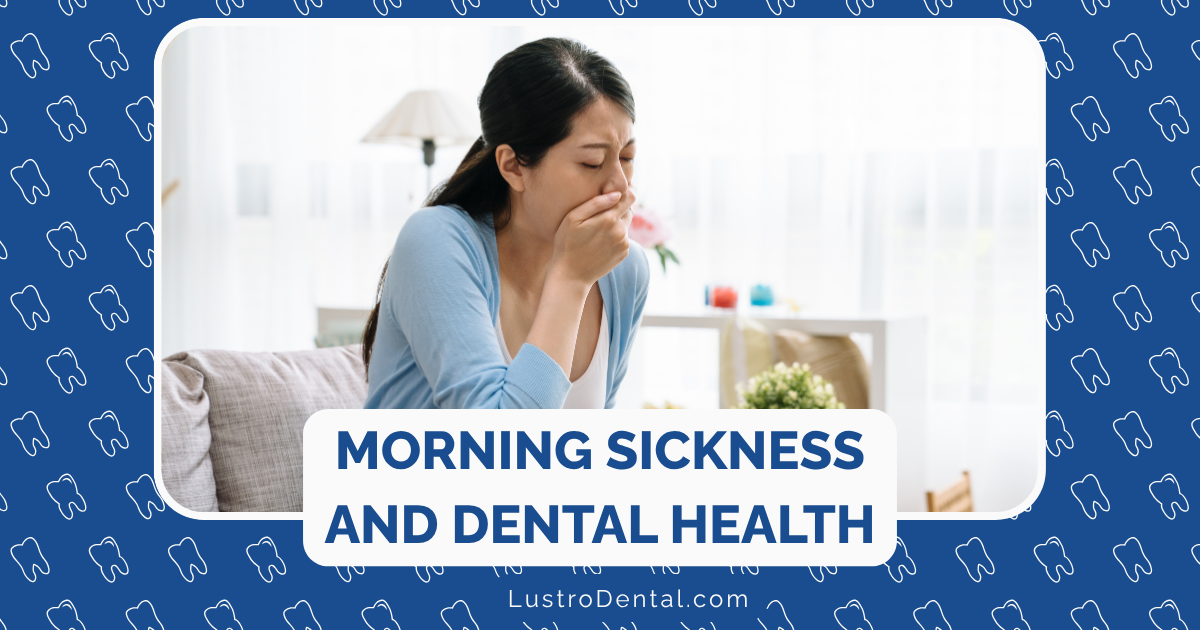
That wave of nausea hits you again as you reach for your toothbrush. Morning sickness—which, let’s be honest, can strike at any time of day—is one of pregnancy’s most challenging symptoms. While you’re focused on keeping food down and making it through the day, there’s another concern that often gets overlooked: what all that vomiting is doing to your teeth.
As it turns out, morning sickness doesn’t just make you feel miserable—it can have serious consequences for your dental health. But don’t worry; with the right knowledge and a few simple strategies, you can protect your smile throughout your pregnancy journey.
When you vomit, your teeth are exposed to powerful stomach acids with a pH between 1.5 and 3.5—significantly more acidic than even soda or lemon juice. For perspective, a healthy mouth maintains a neutral pH of around 7.1-7.5, and tooth enamel begins to weaken when exposed to anything below a pH of 5.5.
“The repeated exposure to stomach acid during pregnancy can lead to enamel erosion, which is essentially the gradual wearing away of the hard protective coating on your teeth,” explains Dr. Sarah Johnson, a dentist specializing in prenatal oral care. “Once enamel is gone, it doesn’t grow back.”
This erosion isn’t just a cosmetic issue. It can lead to:
According to research published in the Journal of Public Health Dentistry, approximately 70-85% of pregnant women experience morning sickness, with about 30% suffering from severe symptoms that can significantly impact oral health.
Morning sickness doesn’t happen in isolation. Pregnancy creates several conditions that can compound dental problems:
“It’s like the perfect storm for dental problems,” notes Dr. Johnson. “But understanding these risks is the first step toward preventing them.”
The American Dental Association (ADA) recommends several strategies to protect your teeth while dealing with morning sickness:
According to the American Dental Association, dental care is safe and important throughout pregnancy. In fact, the Centers for Medicare & Medicaid Services (CMS) recently added oral evaluations during pregnancy as a quality measure for Medicaid programs, highlighting the importance of dental care during this time.
Schedule a dental appointment if you experience:
Be sure to inform your dentist about your pregnancy, including how far along you are and any medications you’re taking. Most routine dental treatments, including cleanings, fillings, and even X-rays (with proper shielding), are considered safe during pregnancy.
Even if morning sickness subsides after the first trimester, maintaining good oral health remains crucial throughout pregnancy. Research has linked poor oral health during pregnancy to complications including preterm birth and low birth weight babies.
“Many women don’t realize that their oral health affects not just their own wellbeing, but potentially their baby’s development too,” says Dr. Emily Chen, an OB-GYN who collaborates with dental professionals. “The inflammation associated with gum disease may increase certain risk factors for pregnancy complications.”
The good news is that with proper care, you can maintain a healthy smile throughout your pregnancy and beyond. Your dental health is an important part of your overall prenatal care plan—one that deserves attention even when morning sickness makes brushing the last thing you want to do.
Remember, this challenging phase is temporary, but your smile is meant to last a lifetime. Taking a few extra steps now can make a big difference in your long-term dental health.
Have you experienced dental issues during pregnancy? Share your experiences and tips in the comments below!