🦷 General Care
✨ Treatments
👶 Family Care
💚 Wellness
💡 Resources

🦷 General Care
✨ Treatments
👶 Family Care
💚 Wellness
💡 Resources

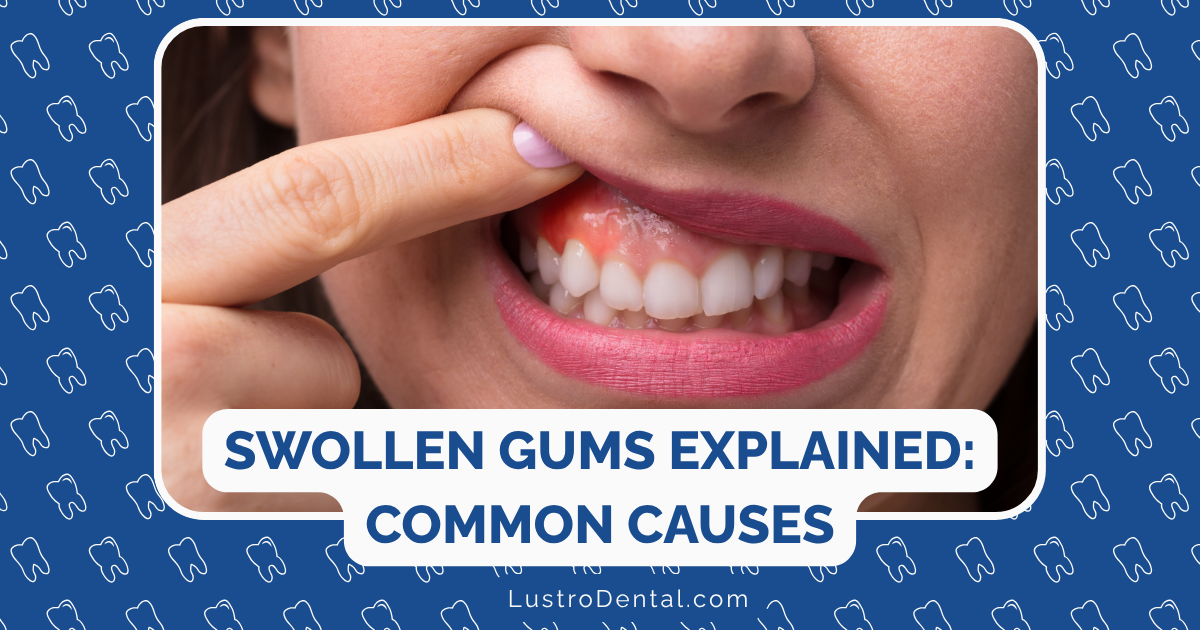
Have you ever looked in the mirror and noticed your gums appear puffy, red, or tender to the touch? Swollen gums are a common oral health concern that can range from a minor irritation to a sign of more serious underlying issues. Understanding the causes of gum inflammation and knowing effective relief strategies can help you address this uncomfortable condition while protecting your long-term oral health.
In this comprehensive guide, we’ll explore the various causes of swollen gums, effective home remedies for relief, preventive measures, and importantly, when it’s time to seek professional dental care. With the right knowledge and approach, you can take control of your gum health and restore comfort to your smile.
Before we dive into causes and treatments, it’s important to understand what healthy gums look like compared to swollen ones.
Understanding these differences helps you recognize when your gums are showing signs of inflammation that require attention.
Swollen gums can result from various factors, ranging from simple irritation to serious health conditions. Here are the most common causes:
What it is: The earliest stage of gum disease, characterized by inflammation of the gums due to plaque buildup along the gumline.
How it develops: When bacteria in plaque aren’t removed through regular brushing and flossing, they produce toxins that irritate the gum tissue, causing inflammation.
Warning signs: Redness, swelling, and bleeding during brushing or flossing.
According to the American Dental Association, gingivitis is highly prevalent but also highly preventable and reversible with proper oral hygiene and professional care.
What it is: A more advanced form of gum disease that develops when gingivitis is left untreated.
How it develops: The inflammation spreads beyond the gums to the supporting structures of the teeth, including the periodontal ligament and alveolar bone.
Warning signs: Receding gums, formation of pockets between teeth and gums, loose teeth, persistent bad breath, and changes in bite.
Periodontitis is a serious condition that can lead to tooth loss if not properly treated, according to the Centers for Disease Control and Prevention.
Pregnancy: Elevated hormone levels can increase blood flow to the gums and make them more sensitive to plaque, leading to “pregnancy gingivitis.”
Menstruation and Birth Control: Hormonal fluctuations during menstrual cycles or from birth control pills can cause similar effects.
Puberty and Menopause: These transitional periods often bring hormonal changes that can affect gum sensitivity and inflammation.
Certain medications can affect gum health or cause dry mouth, which increases the risk of inflammation:
Vitamin deficiencies, particularly vitamin C and B vitamins, can significantly impact gum health. A diet high in sugars and simple carbohydrates can also promote bacterial growth and inflammation.
Sometimes the very tools meant to clean your teeth can cause gum irritation if used incorrectly:
Fungal and viral infections can cause significant gum inflammation:
Allergic responses to dental materials, foods, or oral care products can trigger gum inflammation:
Several whole-body conditions can manifest with symptoms in the gums:
Understanding the underlying cause of your swollen gums is crucial for effective treatment and prevention of recurrence.
When you’re experiencing the discomfort of swollen gums, these strategies can provide quick relief while you address the underlying causes:
How to do it: Dissolve ½ teaspoon of salt in 8 ounces of warm water and gently rinse for 30 seconds, 2-3 times daily.
Why it works: Salt has natural disinfectant properties and helps reduce inflammation by drawing out fluids from the gums, reducing swelling.
How to do it: Apply an ice pack wrapped in a thin cloth to the outside of your face for 10 minutes at a time.
Why it works: Cold reduces blood flow to the area, decreasing inflammation and numbing pain.
How to do it: Mix ¼ teaspoon of turmeric powder with a small amount of water to form a paste. Apply directly to gums for 5 minutes, then rinse thoroughly.
Why it works: Turmeric contains curcumin, which has powerful anti-inflammatory and antimicrobial properties.
How to do it: Steep a black tea bag in hot water, allow it to cool, then apply to the affected area for 5 minutes.
Why it works: Black tea contains tannins that help reduce inflammation and fight bacteria.
Options include: Ibuprofen (Advil, Motrin) or acetaminophen (Tylenol)
Why they work: These medications reduce inflammation and pain throughout the body, including in the gums.
How to do it: Brush gently with an ultra-soft toothbrush and use a non-irritating toothpaste.
Why it works: Maintaining cleanliness without further irritating inflamed tissues helps the healing process.
How to do it: Mix equal parts 3% hydrogen peroxide and water, swish for 30 seconds, and spit (do not swallow).
Why it works: Hydrogen peroxide helps kill bacteria and reduces plaque, though it should be used sparingly and not as a long-term solution.
While these remedies can provide temporary relief, they don’t address the root causes of gum inflammation. For lasting results, you’ll need to consider the role of your oral microbiome and implement long-term prevention strategies.
Recent scientific research has revealed that the health of your gums is intimately connected to the balance of bacteria in your mouth—what scientists call the oral microbiome.
Your mouth naturally contains hundreds of species of bacteria. In a healthy mouth, beneficial bacteria help maintain balance and protect against harmful pathogens. However, when this balance is disrupted (a condition called dysbiosis), harmful bacteria can flourish, leading to inflammation and gum disease.
When harmful bacteria dominate the oral microbiome, they form biofilms (plaque) along the gumline. These bacteria release toxins that trigger an immune response, resulting in the classic signs of inflammation: redness, swelling, and tenderness.
Restoring and maintaining a healthy balance of oral bacteria is a cutting-edge approach to treating and preventing swollen gums. Here are effective strategies:
Oral probiotics, such as ProDentim, introduce beneficial bacteria to help restore balance to the oral microbiome. Unlike traditional treatments that indiscriminately kill bacteria, probiotics work by promoting the growth of helpful microorganisms that naturally protect gum tissue.
ProDentim contains 3.5 billion CFUs of beneficial bacteria, including Lactobacillus paracasei, Lactobacillus reuteri, and Bifidobacterium lactis BL-04. These strains have been specifically selected for their ability to:
Many users report significant improvements in gum health after incorporating ProDentim into their daily routine, with reduced inflammation, less bleeding, and healthier-looking gum tissue.
Prebiotics are compounds that feed beneficial bacteria, helping them thrive in the oral environment. ProDentim includes inulin, a prebiotic fiber that supports the growth of beneficial bacteria in the mouth.
While antimicrobial mouthwashes can help in acute situations, their regular use can disrupt the balance of the oral microbiome by killing beneficial bacteria along with harmful ones. Consider using them only as directed by your dental professional rather than as a daily habit.
A diet high in refined sugars and simple carbohydrates feeds harmful bacteria. Reducing these foods while increasing fiber-rich fruits and vegetables supports a healthier oral microbiome.
By addressing the fundamental balance of your oral microbiome, you can create an environment where gum inflammation is less likely to occur in the first place.
While immediate relief strategies and microbiome support are important, preventing swollen gums requires consistent habits that protect gum health over time.
Brushing: Brush gently for two minutes, twice daily, using a soft-bristled toothbrush and fluoride toothpaste. Pay special attention to the gumline, using a 45-degree angle.
Flossing: Clean between teeth daily with floss or interdental brushes to remove plaque from areas your toothbrush can’t reach.
Tongue cleaning: Bacteria collect on the tongue and can recolonize teeth and gums. Clean your tongue daily with a tongue scraper or your toothbrush.
Routine check-ups: Visit your dentist every six months for professional cleanings and examinations.
Professional cleanings: These remove tartar (hardened plaque) that can’t be eliminated by home care alone.
Early intervention: Regular dental visits allow for early detection and treatment of gingivitis before it progresses to periodontitis.
Quit tobacco: Smoking and chewing tobacco significantly increase the risk of gum disease and impair healing.
Limit alcohol: Excessive alcohol consumption can dry the mouth and irritate gum tissue.
Manage stress: Chronic stress weakens the immune system, making it harder for your body to fight infections, including those in the gums.
Stay hydrated: Proper hydration supports saliva production, which helps neutralize acids and wash away food particles.
Reduce sugary foods and drinks: Sugar feeds harmful bacteria that cause inflammation.
Increase vitamin C: Found in citrus fruits, strawberries, and bell peppers, vitamin C is essential for gum health and collagen production.
Consume omega-3 fatty acids: Found in fatty fish, flaxseeds, and walnuts, these have anti-inflammatory properties.
Add crunchy fruits and vegetables: Foods like apples, carrots, and celery stimulate saliva production and help clean teeth surfaces.
For ongoing support of your oral microbiome, incorporating ProDentim into your daily routine can make a significant difference in preventing gum inflammation. The consistent introduction of beneficial bacteria helps maintain the delicate balance necessary for healthy gums.
Many users find that taking one ProDentim tablet each morning, after brushing their teeth, provides continuous support for their oral microbiome throughout the day.
While many cases of swollen gums can be managed with home care and preventive measures, certain signs indicate the need for professional dental attention:
Early intervention by a dental professional can prevent minor gum issues from progressing to more serious conditions that are harder to treat and may threaten your overall health.
When you seek professional help for swollen gums, your dental provider may recommend one or more of the following treatments:
What it involves: Removal of plaque and tartar from above and below the gumline using specialized instruments.
Benefits: Eliminates bacterial buildup that home care can’t remove, allowing gums to heal.
What it involves: A deep-cleaning procedure that removes plaque and tartar from below the gumline (scaling) and smooths the tooth roots (planing) to help gums reattach to teeth.
Benefits: Effective for treating early to moderate periodontitis and reducing pocket depth between teeth and gums.
What it involves: Prescription of oral antibiotics, antibiotic mouthwashes, or placement of antibiotic fibers in deep gum pockets.
Benefits: Helps control bacterial infection and reduce inflammation, especially in cases that don’t respond to mechanical cleaning alone.
Many dental professionals now recognize the value of oral probiotics like ProDentim as a complementary approach to traditional treatments. Your dentist may recommend ProDentim to help maintain the benefits of professional treatment by supporting a healthy balance of oral bacteria.
Flap Surgery: Lifting back gum tissue to remove tartar deposits in deep pockets, then securing the tissue in place to eliminate pockets.
Bone and Tissue Grafts: Replacing lost bone or gum tissue to help stabilize teeth and improve appearance.
Guided Tissue Regeneration: Using special materials to encourage the growth of bone destroyed by periodontitis.
Your dental professional will determine the most appropriate treatment based on the cause and severity of your gum inflammation.
Children may experience swollen gums during:
Special considerations:
Pregnancy gingivitis affects 60-75% of pregnant women due to hormonal changes. Special considerations include:
Aging brings unique challenges to gum health:
Special considerations:
Swollen gums are your body’s way of signaling that something isn’t right in your oral environment. By understanding the causes, implementing effective relief strategies, and adopting preventive measures, you can address both the symptoms and the underlying issues.
The emerging science of the oral microbiome offers exciting new approaches to gum health. Products like ProDentim represent a shift toward working with your body’s natural processes rather than against them, supporting the beneficial bacteria that protect your gums from inflammation and disease.
Remember that optimal gum health requires a comprehensive approach:
By combining these strategies, you can not only resolve current gum inflammation but also build resilience against future problems, ensuring your smile remains healthy, comfortable, and confident for years to come.
Have you struggled with swollen gums? What strategies have worked best for you? Share your experience in the comments below to help others on their journey to better gum health.
For quick relief, combine a salt water rinse (2-3 times daily) with gentle brushing using a soft toothbrush, an over-the-counter anti-inflammatory medication like ibuprofen, and plenty of rest and hydration. However, for lasting results, you’ll need to address the underlying cause of the inflammation.
Yes, stress can contribute to gum inflammation in several ways. It can weaken your immune system, making it harder for your body to fight infections. Stress may also lead to teeth grinding (bruxism), poor dietary choices, and neglected oral hygiene—all of which can impact gum health.
Sometimes. While often related to gingivitis or minor irritation, swollen gums can occasionally indicate more serious conditions such as periodontitis, vitamin deficiencies, infections, or systemic diseases like diabetes or leukemia. Persistent or severe gum inflammation should be evaluated by a dental professional.
With proper care, mild gingivitis typically improves within 10-14 days. However, more severe inflammation or underlying conditions may take longer to resolve. If swelling persists beyond two weeks despite home care, consult a dental professional.
Minor irritation from things like food particles or temporary mechanical irritation may resolve spontaneously. However, inflammation caused by plaque buildup, infection, or systemic conditions typically requires intervention to fully resolve.
Yes, but do so gently. Continue brushing with a soft-bristled toothbrush using light pressure and small, circular motions. Avoiding brushing can lead to more plaque buildup and worsen the problem. If brushing is too painful, consult your dentist.
Traditional treatments like antiseptic mouthwashes work by killing bacteria indiscriminately. ProDentim takes a different approach by introducing beneficial bacteria that help restore balance to the oral microbiome. Many users find that ProDentim provides more sustainable results with fewer side effects than harsh antimicrobial treatments.