🦷 General Care
✨ Treatments
👶 Family Care
💚 Wellness
💡 Resources

🦷 General Care
✨ Treatments
👶 Family Care
💚 Wellness
💡 Resources

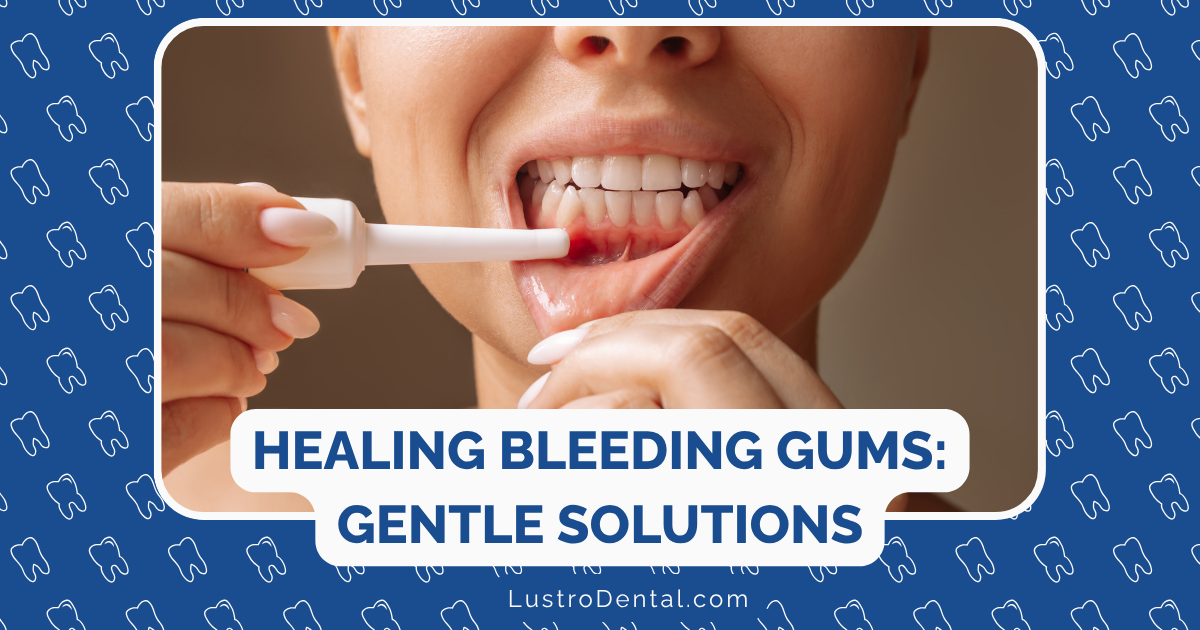
Have you ever noticed pink in the sink after brushing your teeth? That telltale sign of bleeding gums isn’t just a minor inconvenience—it’s your body signaling that something needs attention. Many of us have experienced this common dental concern, but the good news is that with the right approach, bleeding gums can often be addressed effectively and gently.
Bleeding gums rarely happen without reason. As a dental health advocate, I’ve seen how this seemingly small symptom can cause significant worry, but understanding the root causes is the first step toward healing.
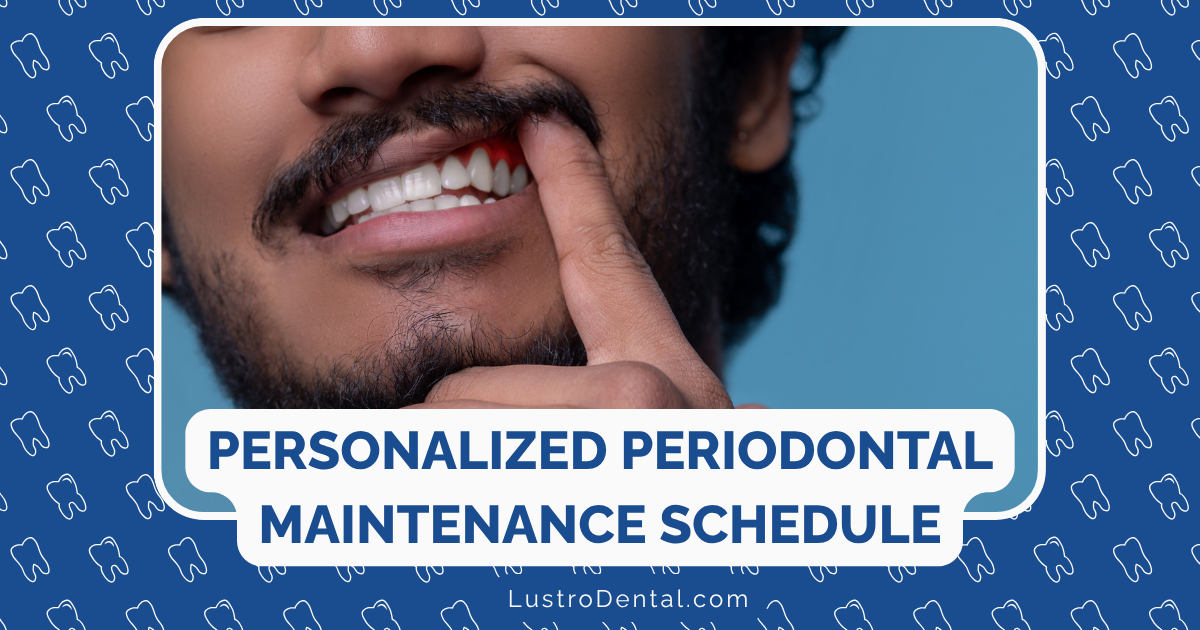
Most commonly, bleeding gums are the result of plaque buildup along the gumline. This sticky film of bacteria irritates the delicate gum tissue, causing inflammation (gingivitis) and bleeding, especially during brushing or flossing.
According to recent research published in Nature, untreated gingivitis can progress to more serious forms of gum disease, potentially leading to tooth loss and even systemic health complications. The good news? This early stage is completely reversible with proper care.
While plaque is the most common culprit, several other factors can contribute to bleeding gums:
Recent findings from the UK Biobank involving over 500,000 participants revealed a concerning connection: people with symptoms of gum disease had approximately 15% higher odds of having multiple chronic conditions. Even more striking, those with painful gums had 54% higher odds of multimorbidity (living with multiple chronic conditions).
This research, highlighted by Open Access Government, underscores what dental professionals have long suspected—oral health isn’t isolated from the rest of your body. The bacteria and inflammation from gum disease can enter your bloodstream, potentially affecting your heart, brain, and other organs.
The journey to healthier gums doesn’t have to be painful or overwhelming. Here are effective yet gentle approaches to address bleeding gums:
Soft-Bristled Brushing: Choose a soft-bristled toothbrush and use gentle, circular motions. Hard bristles and aggressive scrubbing can further irritate already sensitive gums.
Proper Flossing Technique: Flossing removes plaque from areas your toothbrush can’t reach, but technique matters. Gently curve the floss around each tooth in a C-shape rather than snapping it directly into the gums.
Consider Electric: Some studies suggest that certain electric toothbrushes can be more effective at plaque removal while being gentler on gums when used properly.
Salt Water Rinses: A simple solution of warm water and salt can reduce inflammation and fight bacteria naturally. Rinse for 30 seconds twice daily.
Tea Tree Oil: With natural antimicrobial properties, diluted tea tree oil can help fight the bacteria that cause gum disease. Add a drop to your toothpaste or dilute it in water for a mouth rinse.
Green Tea: Rich in antioxidants called catechins, green tea has been shown to reduce inflammation and inhibit the growth of bacteria that cause gum disease. Try drinking a cup daily or using cooled tea as a mouth rinse.
Aloe Vera: Known for its soothing and healing properties, aloe vera gel can reduce gum inflammation when applied topically.
Vitamin C-Rich Foods: Citrus fruits, strawberries, kiwi, and bell peppers can strengthen blood vessels and reduce inflammation.
Omega-3 Fatty Acids: Found in fatty fish, flaxseeds, and walnuts, these can help reduce gum inflammation.
Crunchy Fruits and Vegetables: Apples, carrots, and celery can help clean teeth naturally and stimulate gum tissue.
Stay Hydrated: Proper hydration helps maintain saliva production, which naturally cleans teeth and neutralizes acids that can damage enamel and irritate gums.
While home care is essential, professional treatment may be necessary, especially if bleeding persists despite your best efforts. Recent advances in dental care have made professional treatments more comfortable and effective than ever.
Professional Cleaning: A dental hygienist can remove hardened plaque (tartar) that home brushing can’t address.
Scaling and Root Planing: For more advanced cases, this deeper cleaning removes bacteria from below the gumline and smooths the tooth root to help gums reattach.
Innovative Treatments: According to Dr. Scharf’s periodontal research, exciting developments in laser therapy, probiotics, and regenerative techniques are making gum treatments more effective and comfortable than ever before.
The best treatment for bleeding gums is preventing them from occurring in the first place:
While many cases of bleeding gums can be resolved with improved home care, persistent bleeding despite these efforts warrants professional attention. According to Golden State Dentistry, untreated gum disease can increase risks for serious conditions including heart disease, complications with diabetes, and even cognitive decline.
Contact your dentist if you experience:
Remember that healing takes time. Many people see improvement within a few weeks of implementing better oral hygiene practices, but complete reversal of gingivitis can take longer. Be patient with yourself and celebrate small improvements.
Bleeding gums are not just a dental issue but potentially a window into your overall health. By addressing the root causes with gentle, consistent care, you’re not just saving your smile—you’re investing in your whole-body wellness.
Have you experienced bleeding gums? What gentle solutions have worked for you? Share your experiences in the comments below.