🦷 General Care
✨ Treatments
👶 Family Care
💚 Wellness
💡 Resources

🦷 General Care
✨ Treatments
👶 Family Care
💚 Wellness
💡 Resources

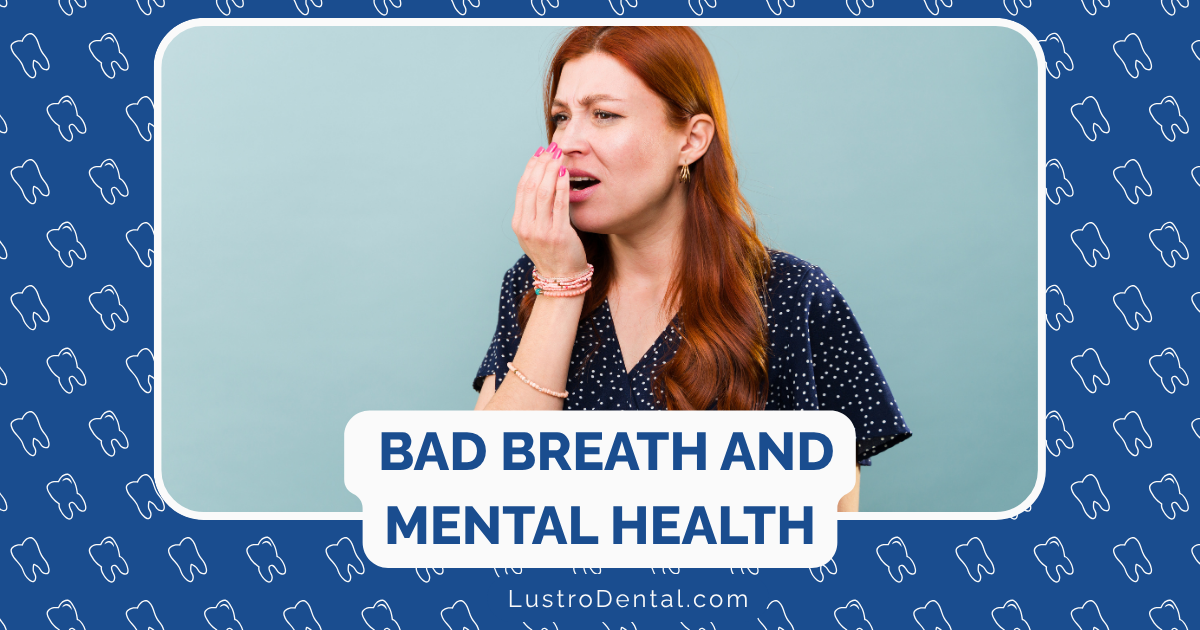
Have you ever caught someone subtly stepping back during a conversation, offering you gum “for no reason,” or noticed people consistently maintaining an unusual distance when speaking with you? These seemingly small interactions can trigger a cascade of self-doubt and anxiety if you suspect bad breath might be the culprit.
Bad breath, or halitosis, affects millions of people worldwide. While often discussed in clinical terms or as the punchline of jokes in commercials, the emotional and psychological impact of persistent bad breath is profound and frequently overlooked. Beyond the physical discomfort, halitosis can significantly affect self-esteem, social interactions, relationships, and even career opportunities.
In this comprehensive guide, we’ll explore the emotional toll of bad breath, break down the stigma surrounding this common condition, and provide effective solutions—both traditional and innovative—to help you reclaim your confidence and quality of life.
The psychological impact of bad breath extends far beyond momentary embarrassment. Research published in the Journal of Oral Rehabilitation reveals that individuals with chronic halitosis often experience:
Many people with bad breath develop a constant state of anxiety about their condition, leading to:
The persistent fear of offending others with your breath can dramatically erode self-confidence:
Perhaps most concerning is the tendency for those with halitosis to withdraw from social situations:
One study participant described their experience: “I became the person who always stands a little too far away during conversations. People probably thought I was standoffish, but I was just terrified they would smell my breath.”
This invisible emotional burden often goes unacknowledged, even by healthcare providers who may focus solely on the clinical aspects of the condition rather than its psychological impact.
The social consequences of halitosis extend into virtually every interpersonal encounter, creating a ripple effect that can significantly diminish quality of life.
Effective communication requires a certain physical proximity that those with bad breath often avoid:
When someone maintains distance or seems reserved due to concerns about their breath, others may misinterpret these behaviors as:
Establishing and maintaining friendships becomes particularly challenging:
A survey conducted by the International Society for Breath Odor Research found that 75% of respondents with self-reported halitosis had declined social invitations specifically due to concerns about their breath, demonstrating how this condition directly impacts social engagement.
Few areas of life are as affected by halitosis as romantic relationships, where physical closeness and intimacy are central components.
The dating process becomes fraught with additional anxiety:
Even established relationships can suffer:
One relationship counselor noted: “I’ve seen couples where one partner’s untreated halitosis created more distance than a long-distance relationship. The physical proximity was there, but the emotional and physical intimacy was compromised by unaddressed breath concerns.”
The intimate nature of romantic relationships makes halitosis particularly impactful in this context, often becoming an unspoken source of tension that neither partner knows how to address constructively.
The workplace presents unique challenges for those with bad breath, potentially affecting career advancement and professional relationships.
Research indicates that halitosis can impact professional growth:
Colleagues may form inaccurate impressions based on behaviors stemming from halitosis concerns:
A study published in the Journal of Applied Psychology found that individuals with noticeable oral health issues, including bad breath, were rated as less suitable for leadership positions and customer-facing roles, regardless of their qualifications.
The professional impact extends beyond mere social discomfort, potentially affecting economic opportunities and career trajectory.
The relationship between halitosis and psychological well-being is bidirectional, creating a cycle that can be difficult to break.
Psychological stress can directly contribute to bad breath through several mechanisms:
A particularly challenging aspect is the self-perpetuating cycle:
Research from the American Psychological Association indicates that breaking this cycle often requires addressing both the psychological and physiological aspects simultaneously.
Understanding this connection helps explain why purely clinical approaches sometimes fall short—they address the physical symptoms without considering the psychological components that may be contributing to or resulting from the condition.
Despite its prevalence and impact, halitosis remains shrouded in stigma and embarrassment, preventing open discussion and timely intervention.
One of the cruelest aspects of halitosis is that those affected are often the last to know:
Cultural attitudes toward discussing personal hygiene vary widely:
Breaking the stigma requires a shift in how we approach the subject:
Dr. Harold Katz, founder of the California Breath Clinics, notes: “The silence around halitosis does a tremendous disservice to those suffering from it. We need to normalize these conversations just as we’ve done with other health conditions.”
By bringing this issue into the open, we can reduce the shame associated with halitosis and encourage earlier intervention, potentially preventing years of unnecessary social and emotional suffering.
Understanding the causes of halitosis is essential for addressing both its physical and emotional aspects effectively.
Halitosis typically stems from one or more of these factors:
The most common cause is the presence of certain bacteria in the mouth that produce volatile sulfur compounds (VSCs):
Several dental issues contribute to bad breath:
Sometimes bad breath originates beyond the mouth:
Daily habits can significantly impact breath freshness:
Recent scientific advances have highlighted the importance of the oral microbiome—the community of microorganisms living in your mouth—in determining breath freshness.
A healthy oral microbiome maintains a balance between beneficial and potentially harmful bacteria. When this balance is disrupted (a condition called dysbiosis), bacteria that produce odor-causing compounds can flourish.
Research published in the Journal of Clinical Periodontology shows that approaches targeting microbiome balance, rather than simply killing all bacteria, may offer more sustainable solutions for halitosis.
Understanding these scientific foundations helps explain why some traditional approaches to bad breath provide only temporary relief, while others address the root causes more effectively.
Effectively addressing halitosis requires a multi-faceted approach that considers both the physical and emotional aspects of the condition.
The foundation of fresh breath starts with proper oral care:
Simple lifestyle adjustments can make a significant difference:
For immediate situations, these can provide short-term relief:
Working with the mental component is equally important:
Learning to discuss the issue can reduce its emotional impact:
One of the most promising developments in halitosis treatment focuses on restoring balance to the oral microbiome rather than simply masking odors or killing all bacteria indiscriminately.
This approach recognizes that a healthy mouth contains hundreds of bacterial species in a delicate balance. When beneficial bacteria thrive, they help control the growth of odor-producing bacteria naturally.
Oral probiotics represent a cutting-edge approach to bad breath that addresses the root cause while supporting overall oral health.
Unlike traditional treatments that often take a “scorched earth” approach to bacteria, oral probiotics introduce beneficial bacterial strains that:
ProDentim is an innovative oral probiotic supplement specifically designed to support oral microbiome health. Each tablet contains 3.5 billion CFUs (colony-forming units) of beneficial bacteria, including strains specifically selected for their ability to address halitosis:
The formula also includes supporting ingredients like inulin (a prebiotic that feeds beneficial bacteria) and peppermint (for immediate breath freshening), creating a comprehensive approach to breath concerns.
Users of ProDentim often report benefits that extend beyond fresher breath:
The psychological benefits of addressing halitosis at its source rather than constantly managing symptoms can be transformative for those who have struggled with the emotional burden of bad breath.
By supporting a healthy oral microbiome daily with ProDentim, many users find they can break the cycle of anxiety and avoidance that has impacted their quality of life, allowing them to engage more fully in both personal and professional relationships.
While self-care strategies and products like ProDentim can address many cases of halitosis, certain situations warrant professional evaluation.
Consult a dental professional if:
Consider medical evaluation if:
For persistent cases, specialized treatment centers offer:
The American Academy of Oral Medicine can provide referrals to specialists who address both the physical and psychological aspects of chronic halitosis.
If someone you care about is affected by bad breath, your approach can significantly impact both their oral health and emotional well-being.
If you need to address the issue:
For example: “I’ve noticed you seem concerned about your breath lately, and I wanted to share some information about solutions that might help. Many people find relief with approaches like ProDentim that address the root causes.”
Beyond communication, you can:
Perhaps most importantly:
Your support can make a tremendous difference in helping someone overcome both the physical condition and its emotional consequences.
The emotional impact of halitosis extends far beyond momentary embarrassment, affecting how we interact with the world and how we perceive ourselves. By understanding both the physical and psychological aspects of this condition, we can approach it with compassion and effective solutions.
Breaking the stigma surrounding bad breath is essential for allowing those affected to seek help without shame. By recognizing halitosis as a health condition rather than a personal failing, we create space for open discussion and earlier intervention.
A comprehensive approach to fresh breath includes:
Remember that your breath does not define your worth, your attractiveness, or your potential for meaningful connections. With the right approaches, halitosis is a manageable condition that need not limit your social, romantic, or professional life.
By taking proactive steps—including daily support for your oral microbiome with ProDentim—you can address both the physical and emotional aspects of bad breath, reclaiming your confidence and engaging fully in life’s important conversations.
Have you experienced the emotional impact of halitosis? What strategies have helped you overcome both the physical and psychological aspects? Share your experience in the comments below to help others on their journey.
While bad breath often has physical causes, emotional factors like stress and anxiety can contribute through several mechanisms:
Additionally, the relationship works both ways—concerns about bad breath can create anxiety, which in turn may worsen the physical condition.
Self-assessment can be challenging because we become accustomed to our own smell. Some methods include:
In most cases, yes. When halitosis stems from oral causes (the most common scenario), addressing the underlying issues can completely resolve it. Even when related to systemic conditions, managing those conditions along with proper oral care can significantly improve or eliminate bad breath.
Products like ProDentim that support a healthy oral microbiome offer a sustainable approach to maintaining fresh breath long-term, rather than just masking symptoms temporarily.
Most users notice some improvement within the first week of consistent use, with more significant results developing over 2-4 weeks as the beneficial bacteria establish themselves in the oral microbiome. For optimal results, ProDentim should be used daily as part of a comprehensive oral care routine.
Not necessarily. Our perception of our own breath is often more negative than others’ perception. Additionally, the severity can vary throughout the day based on factors like:
This variability is one reason why the anxiety about halitosis sometimes exceeds the actual social impact of the condition.