Demystifying Dental Caries: What Every Family Should Know About Cavity Prevention
As parents, we work tirelessly to protect our children’s health, but there’s one common childhood disease that often flies under the radar despite its prevalence: dental caries, better known as cavities or tooth decay. According to the Centers for Disease Control and Prevention (CDC), cavities are among the most common chronic diseases of childhood in the United States, affecting about 1 in 5 children aged 5 to 11 years.
The good news? Dental caries are almost entirely preventable with the right knowledge and habits. This comprehensive guide will demystify dental caries for families, explaining what causes them, how to prevent them, and the innovative approaches that are changing how we think about cavity prevention.
Dental caries, commonly known as cavities, are permanently damaged areas in the hard surface of teeth that develop into tiny holes or openings. They’re caused by a complex interplay of factors, including bacteria, frequent snacking, sipping sugary drinks, and inadequate cleaning of teeth.
Types of Cavities
Not all cavities are created equal. Understanding the different types can help you identify problems early:
Pit and fissure cavities: Occur on the chewing surfaces of the back teeth, where food and bacteria can get trapped in the grooves.
Smooth surface cavities: Develop on the flat exterior surface of teeth, often between teeth where flossing is essential.
Root cavities: Form on the surface over the roots, usually in older adults with receding gums.
Early childhood caries (ECC): A severe form of tooth decay in infants and young children, often affecting the upper front teeth first.
Recurrent cavities: Form around existing fillings and crowns, where bacteria can leak under the restoration.
The Progression of Tooth Decay
Cavity development isn’t an overnight process but occurs in stages:
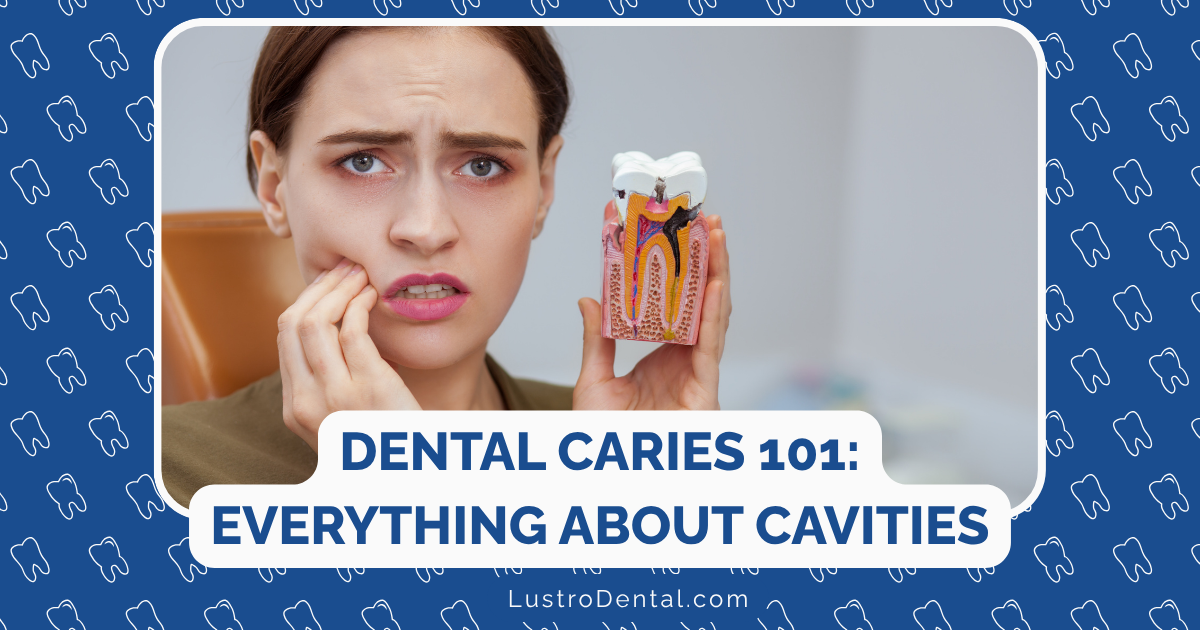
Initial demineralization: The earliest stage, appearing as a white spot on the tooth where minerals have begun to leach out.
Enamel decay: As the enamel breaks down, small holes (cavities) form.
Dentin decay: Once through the enamel, decay progresses more rapidly through the softer dentin layer.
Pulp involvement: When decay reaches the inner pulp chamber containing nerves and blood vessels, causing pain and sensitivity.
Abscess formation: If untreated, infection can develop at the root tip, potentially spreading to surrounding tissues.
Understanding this progression highlights why early intervention is crucial—the earlier a cavity is caught, the simpler and less invasive the treatment.
How Cavities Develop: The Science of Tooth Decay
To effectively prevent cavities, it helps to understand the biological process behind their formation. Tooth decay isn’t simply about “sugar eating holes in teeth”—it’s a complex interaction between bacteria, diet, saliva, and tooth structure.
The Decay Process
Plaque formation: Bacteria naturally present in the mouth form a sticky biofilm called plaque on tooth surfaces.
Acid production: When you consume foods and drinks containing carbohydrates (especially sugars), certain bacteria in plaque, primarily Streptococcus mutans, feed on these carbohydrates and produce acids as a byproduct.
Demineralization: These acids dissolve minerals (calcium and phosphate) from the tooth enamel in a process called demineralization.
Remineralization vs. demineralization balance: Normally, minerals in saliva help repair this damage in a natural process called remineralization. However, when acid attacks are frequent or prolonged, remineralization can’t keep pace with mineral loss.
Cavity formation: With continued mineral loss, the enamel weakens and eventually breaks down, forming a cavity.
The Critical pH Factor
Tooth enamel begins to demineralize when the pH in the mouth drops below approximately 5.5 (acidic). After consuming sugary or acidic foods, the mouth can remain in this “danger zone” for 20-40 minutes—or longer if food particles remain trapped between teeth.
This explains why frequent snacking or sipping sugary drinks throughout the day is particularly damaging—it keeps the mouth in an acidic state for extended periods, giving teeth little chance to remineralize.
Risk Factors: Why Some Family Members Are More Susceptible
Dental caries don’t affect everyone equally. Understanding risk factors can help you provide extra protection for family members who need it most.
Age-Related Factors
Young children: Developing enamel is more vulnerable, and young children often lack the dexterity for effective brushing.
Teenagers: Hormonal changes, increased independence in food choices, and sometimes less attention to oral hygiene.
Dry mouth (xerostomia): Reduced saliva flow from medications, medical conditions, or treatments like radiation.
Acid reflux or frequent vomiting: Exposes teeth to stomach acids.
Eating disorders: Can cause erosion from stomach acids and nutritional deficiencies.
Diabetes: May reduce saliva flow and increase glucose levels in saliva.
Understanding these risk factors allows for personalized prevention strategies. For example, a family member with deep grooves in their molars might benefit from dental sealants, while someone taking medications that cause dry mouth might need additional hydration strategies.
Prevention Strategies for Every Age
Effective cavity prevention requires a multi-faceted approach tailored to each family member’s age and specific needs.
Monitor gum recession: As gums recede with age, new areas become vulnerable to decay.
Stay current with dental visits: Regular professional cleanings and check-ups remain important.
For Seniors (65+ years)
Adapt tools if needed: Use toothbrushes with larger handles or electric brushes if dexterity is limited.
Address dry mouth: Stay hydrated and consider saliva substitutes if medications cause dry mouth.
Care for restorations: Proper cleaning around crowns, bridges, and implants is essential.
Denture care: If using dentures, clean them daily and remove them at night.
Maintain regular dental visits: Even those with complete tooth loss should have regular oral examinations.
The Oral Microbiome: A New Frontier in Cavity Prevention
Recent scientific advances have revolutionized our understanding of cavity formation and prevention. At the center of this new perspective is the oral microbiome—the community of microorganisms living in your mouth.
Understanding the Oral Microbiome
Your mouth naturally contains hundreds of species of bacteria in a complex ecosystem. In a healthy mouth, beneficial bacteria help keep potentially harmful species in check through competition for resources and production of compounds that inhibit pathogenic growth.
However, factors like poor diet, certain medications, and even some traditional oral care products can disrupt this balance, allowing cavity-causing bacteria to flourish.
The Problem with Traditional Approaches
Many conventional cavity prevention methods take a “scorched earth” approach, using antimicrobials that kill bacteria indiscriminately. While this temporarily reduces harmful bacteria, it can also eliminate beneficial species that play important roles in:
Preventing the attachment of harmful bacteria to tooth surfaces
Neutralizing acids that cause demineralization
Supporting immune function in the oral cavity
Producing antimicrobial compounds that target specific pathogens
Oral Probiotics: Supporting a Healthy Balance
Oral probiotics represent an innovative approach to cavity prevention by introducing beneficial bacteria to help restore and maintain a healthy oral microbiome.
ProDentim: A Targeted Solution
ProDentim is an advanced oral probiotic supplement specifically designed to support dental health by balancing the oral microbiome. Each tablet contains 3.5 billion CFUs (colony-forming units) of beneficial bacteria, including:
Lactobacillus paracasei: Helps inhibit the growth of Streptococcus mutans, the primary cavity-causing bacterium
Lactobacillus reuteri: Produces antimicrobial compounds that target harmful bacteria while sparing beneficial ones
Bifidobacterium lactis BL-04: Supports immune function in the oral cavity and helps maintain microbial balance
The formula also includes inulin (a prebiotic that selectively feeds beneficial bacteria) and other supporting ingredients that promote oral health.
Benefits for Family Cavity Prevention
Many families using ProDentim as part of their comprehensive oral care routine report:
Reduced plaque formation: Beneficial bacteria compete with plaque-forming species, potentially reducing buildup between brushings.
Better breath: A balanced oral microbiome naturally results in fresher breath.
Healthier gums: Supporting beneficial bacteria helps maintain gum health, an important factor in preventing tooth decay, especially root caries.
For families, ProDentim offers a simple addition to existing preventive measures—one daily chewable tablet that’s easy to incorporate into routines for adults and children old enough to safely consume tablets (typically age 4 and up, though always consult with your pediatric dentist).
Combining Approaches for Maximum Protection
The most effective cavity prevention strategy combines traditional methods with microbiome support:
Mechanical cleaning: Regular brushing and flossing to remove plaque
Fluoride use: To strengthen enamel and promote remineralization
Dietary choices: Limiting sugars and acids that feed harmful bacteria and damage enamel
Microbiome support: Using products like ProDentim to maintain a healthy bacterial balance
This comprehensive approach addresses cavity prevention from multiple angles, potentially offering more complete protection than any single method alone.
Diet and Nutrition: Eating for Healthy Teeth
What your family eats plays a crucial role in cavity prevention. Understanding how different foods and eating patterns affect dental health can help you make choices that protect teeth while still enjoying meals.
Cavity-Promoting Foods and Habits
High-Risk Foods
Sticky sweets: Caramels, gummies, dried fruits, and other sticky treats adhere to teeth longer.
Hard candies and lollipops: These dissolve slowly, bathing teeth in sugar for extended periods.
Starchy snacks: Chips, crackers, and white bread can stick in tooth crevices and break down into simple sugars.
Sugary drinks: Sodas, sports drinks, and even fruit juices contain acids and sugars that damage enamel.
Harmful Eating Patterns
Frequent snacking: Constantly eating throughout the day gives teeth no time to remineralize.
Sipping sugary or acidic drinks: Slowly consuming these beverages prolongs acid exposure.
Bedtime sweets: Eating sugary foods before bed is particularly harmful as saliva flow decreases during sleep.
Tooth-Friendly Foods and Habits
Protective Foods
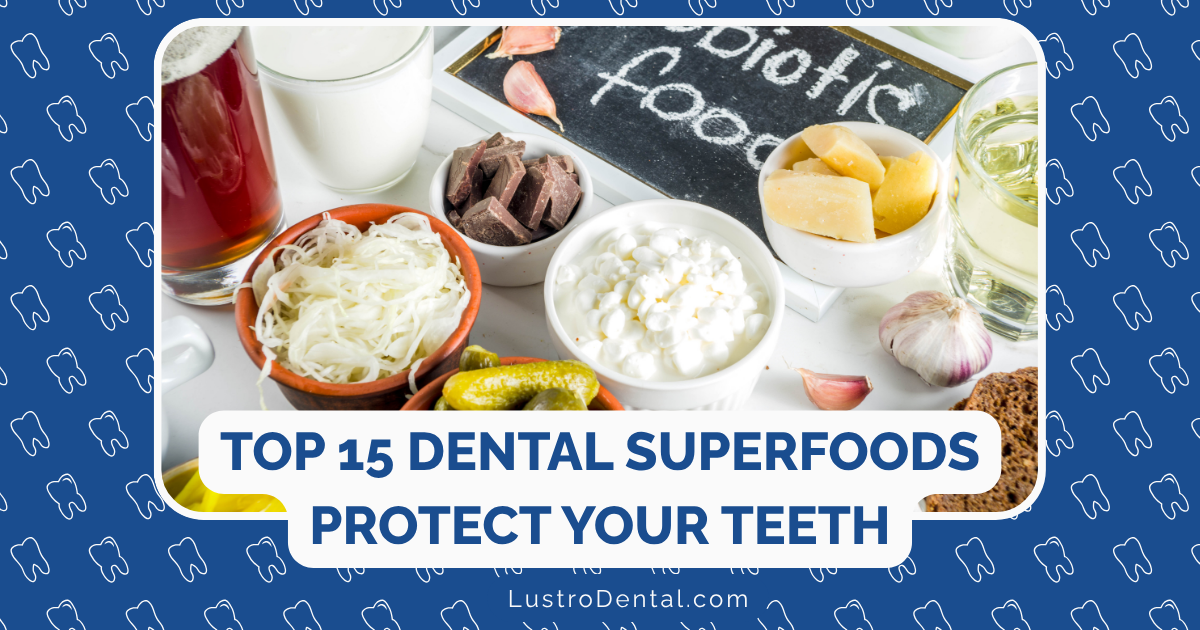
Cheese and dairy: Rich in calcium and phosphates that help remineralize teeth; cheese also stimulates saliva production.
Crunchy fruits and vegetables: Apples, carrots, and celery stimulate saliva and help clean teeth surfaces.
Nuts and seeds: Contain minerals and healthy fats that support overall health, including dental health.
Green and black teas: Contain compounds that suppress harmful bacteria and prevent them from producing acid.
Foods with fluoride: Fluoridated water, certain seafood, and tea contain natural fluoride.
Beneficial Habits
Meal-based eating: Consuming sweets with meals rather than as separate snacks reduces their harmful effects.
Water after eating: Rinsing with water after meals helps neutralize acids and wash away food particles.
Sugar-free gum: Chewing xylitol-containing gum after eating stimulates saliva and can actually prevent cavity formation.
Finishing meals with cheese: Ends the meal with a food that helps neutralize acids and provide minerals for remineralization.
Practical Tips for Families
Create a snack schedule: Limit eating to meals and 1-2 designated snack times to reduce acid attacks.
Make water the default drink: Keep water easily accessible and save other beverages for special occasions.
Prepare tooth-healthy snack stations: Stock the refrigerator with pre-cut vegetables, cheese sticks, and other smile-friendly options.
Be mindful of “hidden” sugars: Many processed foods contain added sugars—check labels carefully.
Consider the order of foods: Eating acidic foods like oranges as part of a meal rather than alone reduces their erosive potential.
Remember that dietary habits formed in childhood often persist into adulthood. By establishing tooth-friendly eating patterns early, you’re setting your children up for a lifetime of better dental health.
Dental Visits: When and Why They Matter
Professional dental care is a cornerstone of effective cavity prevention. Understanding the timing and importance of these visits helps ensure your family receives the preventive care they need.
Recommended Visit Schedule
Infants: First visit by age 1 or within 6 months of the first tooth erupting
Children and teens: Every 6 months for routine check-ups and cleanings
Adults: Every 6 months, or as recommended by your dentist based on individual risk factors
Pregnant women: Safe and important to maintain regular dental care during pregnancy
What Happens During Preventive Visits
For Children
Examination: Checking for early signs of decay, monitoring growth and development
Professional cleaning: Removing plaque and tartar buildup
Choose a family-friendly practice: Dentists who specialize in treating children often create more comfortable environments
Be mindful of language: Avoid words like “hurt,” “pain,” or “shot” when discussing dental visits
Consider sedation options: For those with severe anxiety, discuss sedation options with your dentist
Be a positive role model: Children often adopt their parents’ attitudes toward dental care
Remember that preventive visits are typically quick, painless, and much less expensive than the restorative treatment that becomes necessary when prevention is neglected.
Special Considerations for Different Family Members
Cavity prevention isn’t one-size-fits-all. Different family members face unique challenges that require tailored approaches.
Pregnancy and Infant Oral Health
For Expectant Mothers
Increased risk: Hormonal changes and sometimes altered eating habits can increase cavity risk during pregnancy
Morning sickness concerns: Frequent vomiting exposes teeth to stomach acids; rinse with water or baking soda solution after episodes
Connection to baby’s health: Research suggests that a mother’s oral health can influence her child’s future cavity risk
For Infants
Avoiding transfer of bacteria: Cavity-causing bacteria are typically transferred from caregivers; avoid sharing utensils or cleaning pacifiers in your mouth
Bottle use: Never put a baby to bed with a bottle containing anything other than water
Cleaning gums: Wipe gums with a clean, damp cloth after feedings, even before teeth erupt
Early introduction of the toothbrush: Make it a positive experience from the beginning
Children with Special Healthcare Needs
Children with certain conditions may face additional challenges:
Physical disabilities: May require adapted toothbrushes or assistance with oral hygiene
Sensory sensitivities: Can make toothbrushing challenging; specialized products and desensitization techniques can help
Medications: Many pediatric medications contain sugars or cause dry mouth
Dietary restrictions: Special diets may inadvertently increase cavity risk
Coordination with healthcare team: Dental care should be integrated with overall healthcare
Orthodontic Patients
Braces and other orthodontic appliances create additional plaque traps:
Specialized cleaning tools: Water flossers, interdental brushes, and floss threaders help clean around brackets and wires
More frequent brushing: Ideally after every meal
Avoiding problematic foods: Hard, sticky, or chewy foods can damage appliances and be difficult to clean away
Fluoride supplements: Additional fluoride may be recommended during orthodontic treatment
More frequent dental visits: Some orthodontic patients benefit from 3-4 month cleaning intervals
Older Adults and Seniors
Age brings unique oral health challenges:
Receding gums: Expose root surfaces that are more vulnerable to decay
Dry mouth from medications: Over 500 medications can reduce saliva flow
Manual dexterity issues: May require adapted tools like electric toothbrushes with larger handles
Complex restorations: Bridges, implants, and partial dentures require specialized cleaning
Cognitive changes: May necessitate caregiver assistance with oral hygiene
For each of these groups, incorporating ProDentim into their routine can provide additional support for oral health. The beneficial bacteria help create an environment less conducive to cavity formation, which is particularly valuable for those with increased risk factors or challenges with traditional oral hygiene.
Creating a Family-Wide Approach to Oral Health
Preventing dental caries is most effective when the entire family adopts a consistent, supportive approach to oral health.
Building a Family Oral Health Routine
Make it visible: Brush together as a family when possible
Create a checklist: Track brushing, flossing, and other oral care activities
Set up a family dental calendar: Mark appointments, fluoride treatments, and when to replace toothbrushes
Establish a ProDentim routine: Make taking oral probiotics part of the daily schedule
Create a supportive environment: Stock tooth-friendly snacks and drinks
Leading by Example
Children learn more from what you do than what you say:
Let them see you brushing and flossing regularly
Demonstrate a positive attitude toward dental visits
Multiple stations: Consider brushing stations in more than one bathroom
Visual reminders: Post brushing charts or timers in bathrooms
Emergency kit: Maintain dental first aid supplies for unexpected situations
Travel ready: Have travel-sized oral care products packed for trips
Communicating with Your Dental Team
Establish a collaborative relationship with your dental providers:
Share family history and concerns
Ask questions about personalized recommendations
Discuss coordination of appointments for efficiency
Request family-specific preventive strategies
Explore options like ProDentim with your dental professional
By creating a comprehensive, family-centered approach to oral health, you not only prevent cavities but also establish habits and attitudes that will benefit your children throughout their lives.
Conclusion: Empowering Your Family Against Dental Caries
Dental caries may be common, but they’re far from inevitable. With current knowledge and innovative approaches, families have more power than ever to prevent cavities and maintain healthy smiles for life.
The key takeaways from this guide include:
Understanding the process: Cavities develop through a complex interaction of bacteria, diet, and oral hygiene—not simply from eating sugar.
Prevention is multifaceted: Effective cavity prevention combines mechanical cleaning, fluoride use, dietary management, professional care, and supporting a healthy oral microbiome.
Each family member has unique needs: Age, medical conditions, and individual risk factors require personalized approaches to prevention.
New approaches complement traditional methods: Innovations like oral probiotics (such as ProDentim) offer additional protection by addressing the bacterial balance in the mouth.
Consistency is key: Regular habits, maintained over time, are more important than occasional intensive efforts.
By implementing the strategies outlined in this guide—including incorporating ProDentim as part of your family’s comprehensive oral health routine—you can significantly reduce the risk of cavities and the need for restorative dental treatments.
Remember that cavity prevention is an ongoing process, not a one-time effort. With patience, consistency, and the right tools, you can help every member of your family maintain a healthy, cavity-free smile for years to come.
Has your family found effective strategies for preventing cavities? Share your experiences in the comments below!
Common Questions About Cavity Prevention
Families often have questions about cavity prevention. Here are evidence-based answers to some of the most common queries:
How to 100% prevent cavities?
While no method guarantees complete cavity prevention, a comprehensive approach comes close:
Thorough twice-daily brushing with fluoride toothpaste
Daily flossing or interdental cleaning
Regular professional dental care
Dietary management (limiting sugars and acids)
Fluoride use (in toothpaste, water, and professional applications)
Dental sealants for children
Supporting oral microbiome health with products like ProDentim
This multi-faceted approach addresses all the major factors in cavity development.
What do kids get on their teeth to prevent cavities?
These treatments complement daily home care and regular check-ups.
Why do some people get cavities despite good oral hygiene?
Several factors can increase cavity risk even with good brushing and flossing:
Genetic factors: Tooth shape, enamel structure, and saliva composition have hereditary components
Medical conditions: Conditions that affect saliva production or quality
Medications: Many drugs reduce saliva flow or contain sugars
Previous dental work: Areas around fillings and crowns can be vulnerable to recurrent decay
Oral microbiome imbalances: Overabundance of cavity-causing bacteria relative to beneficial species
This is why a personalized approach—potentially including oral probiotics like ProDentim to address microbiome imbalances—is important for comprehensive prevention.
Are baby teeth cavities really a problem if they’ll fall out anyway?
Yes, cavities in baby teeth matter for several important reasons:
Pain and infection: Untreated decay can cause significant pain and potentially serious infections
Speech development: Premature loss of baby teeth can affect speech development
Permanent tooth guidance: Baby teeth hold space for permanent teeth; early loss can lead to alignment problems
Eating difficulties: Severe decay can make eating painful, potentially affecting nutrition
Establishment of habits: Caring for baby teeth establishes lifelong oral health habits
Yes, while typically associated with children, dental sealants can benefit adults with:
Deep grooves in their molars
Recurrent decay in molars
High cavity risk due to medications or medical conditions
Difficulty maintaining adequate oral hygiene
Discuss with your dentist whether sealants might be appropriate for your situation.
How do probiotics like ProDentim compare to traditional cavity prevention?
ProDentim and similar oral probiotics represent a complementary approach rather than a replacement for traditional methods:
Traditional prevention (brushing, flossing, fluoride) works primarily by removing plaque and strengthening teeth against acid attacks
Oral probiotics work by helping establish a healthier bacterial balance in the mouth, potentially reducing the formation of harmful plaque in the first place
The most effective approach combines both strategies—mechanical cleaning and fluoride use along with microbiome support through products like ProDentim.