🦷 General Care
✨ Treatments
👶 Family Care
💚 Wellness
💡 Resources

🦷 General Care
✨ Treatments
👶 Family Care
💚 Wellness
💡 Resources

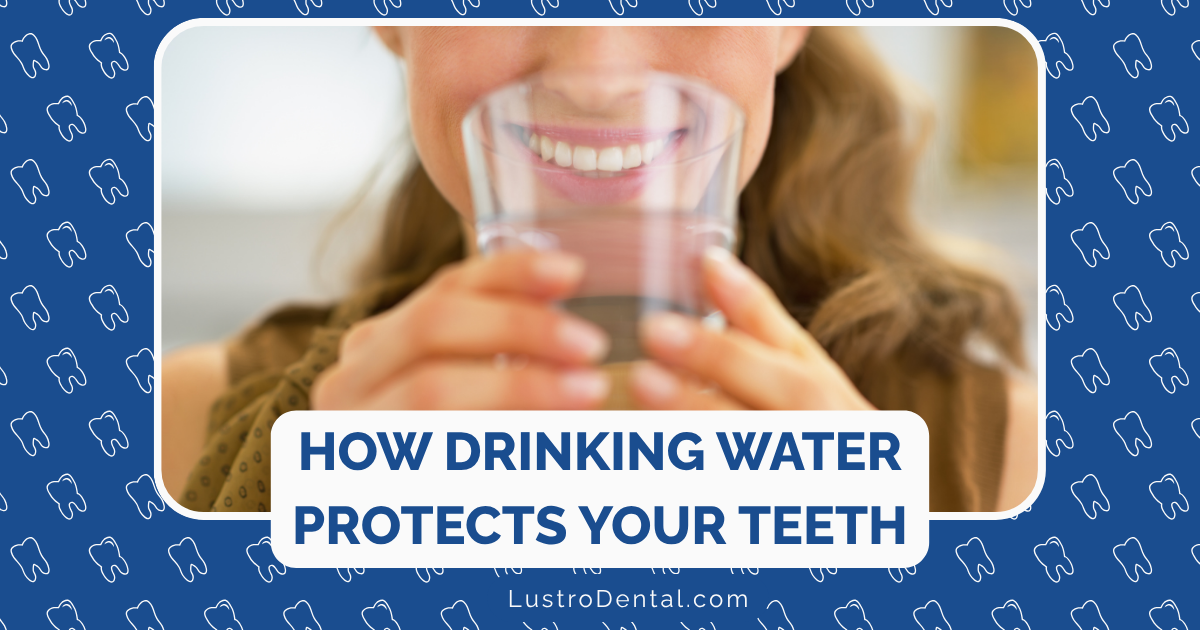
When we think about preventing cavities, brushing, flossing, and limiting sugar usually come to mind first. But there’s another crucial factor that often flies under the radar: hydration. The link between staying properly hydrated and maintaining cavity-free teeth might surprise you—it’s more significant than most people realize.
As someone passionate about preventive dental care, I’ve seen firsthand how proper hydration can transform oral health. Yet many patients are unaware of this connection, missing out on one of the simplest and most effective ways to protect their teeth.
Let’s explore the fascinating relationship between hydration and cavity prevention, and discover why that glass of water might be just as important as your toothbrush in maintaining a healthy smile.
To understand the hydration-cavity connection, we need to appreciate the remarkable substance that serves as your mouth’s first line of defense: saliva.
Far from being “just water,” saliva is a sophisticated biological fluid with a precise formula designed to protect your teeth. According to research from the National Institute of Dental and Craniofacial Research, saliva consists of:
Dr. Sarah Chen, professor of oral biology at University of California San Francisco, explains: “Saliva is essentially a natural protective coating that continuously bathes your teeth. It’s one of nature’s most elegant solutions for maintaining oral health.”
Your saliva works tirelessly to prevent cavities through multiple mechanisms:
Saliva physically washes away food particles and sugars that would otherwise feed cavity-causing bacteria. This “oral clearance” function helps prevent the buildup of harmful bacterial plaque on teeth.
After you eat or drink something acidic or sugary, bacteria in your mouth produce acids that can demineralize tooth enamel. Saliva contains bicarbonates and other buffering compounds that neutralize these acids, typically returning your mouth to a neutral pH within 30-60 minutes.
A study published in the Journal of the American Dental Association found that individuals with normal salivary flow can neutralize acid attacks up to 20 times more effectively than those with reduced saliva.
Perhaps most impressively, saliva actively repairs minor damage to your teeth. Dr. Michael Roberts, dental researcher at Boston University, notes: “Saliva is constantly depositing calcium and phosphate ions onto your tooth enamel, rebuilding areas that have begun to demineralize. This remineralization process is essentially your body’s natural cavity repair system.”
Saliva contains compounds that directly fight harmful bacteria, including:
Research from Nature Reviews Microbiology indicates that these antimicrobial properties can reduce the population of cavity-causing bacteria by up to 60%.
Here’s where hydration enters the picture: your body needs adequate water to produce sufficient saliva. When you’re dehydrated, saliva production decreases significantly.
Even mild dehydration can reduce salivary flow by 40-50%, according to research published in the International Journal of Dental Hygiene. This reduction has cascading effects on your oral health:
Dr. Lisa Johnson of the American Academy of Pediatric Dentistry explains: “Many people don’t realize that what seems like minor dehydration can significantly increase cavity risk. We often see this in patients who breathe through their mouth, take certain medications, or simply don’t drink enough water throughout the day.”
The connection between hydration and cavity prevention isn’t just theoretical. A 2023 study published in MDPI Dentistry Journal analyzed data from over 10,000 participants and found that those who reported drinking less than 4 glasses of water daily had a 31% higher incidence of dental caries compared to those who drank 8 or more glasses.
Another study from the Journal of Public Health Dentistry found that elderly patients with medication-induced dry mouth experienced twice the rate of new cavities compared to age-matched controls with normal salivary flow.
When it comes to cavity prevention, not all hydration sources are created equal. Water—particularly fluoridated water—offers unique benefits that other beverages can’t match.
Fluoride enhances the protective effects of saliva in several ways:
According to the American Dental Association, community water fluoridation has reduced tooth decay by approximately 25% across all age groups since its implementation.
Dr. James Wilson, public health dentist at Centers for Disease Control and Prevention, notes: “Drinking fluoridated water throughout the day provides a constant, low-level exposure to fluoride that’s incredibly effective for cavity prevention. It’s one of the most cost-effective public health interventions we have.”
While water supports saliva production and dental health, other beverages can have the opposite effect:
Beverages containing alcohol or caffeine can actually increase dehydration by acting as diuretics. Coffee, certain teas, and alcoholic drinks may temporarily increase urination, potentially leading to reduced hydration status and decreased saliva production.
Many popular beverages create a double threat to dental health:
A study in the Journal of Dentistry found that sipping on sugary or acidic beverages throughout the day can keep the mouth in an acidic state for hours, dramatically increasing cavity risk even in well-hydrated individuals.
Now that we understand the science, let’s explore practical ways to leverage hydration for better dental health:
Aim for at least 8 glasses (64 ounces) of water daily, with at least half coming from fluoridated sources when possible. Keep a reusable water bottle with you as a visual reminder to drink regularly.
Time your water consumption for maximum dental benefit:
If you experience chronic dry mouth (xerostomia), consider these targeted approaches:
Many common medications—including antihistamines, decongestants, antidepressants, and blood pressure medications—can reduce saliva flow. If you take these medications:
Make hydration a habit by:
Children are particularly vulnerable to the effects of dehydration on dental health. Their smaller bodies lose water proportionally faster than adults, and they may not recognize or communicate thirst effectively.
Dr. Jennifer Park, pediatric dentist at Children’s Hospital of Philadelphia, recommends: “Make hydration fun for kids by using colorful water bottles, adding fresh fruit for natural flavor, or creating ‘water challenges’ with small rewards for meeting hydration goals.”
As we age, the body’s thirst response diminishes, and salivary gland function can decrease naturally. Combined with the higher likelihood of taking medications that cause dry mouth, older adults face significant hydration challenges.
A study in the Journal of the American Geriatrics Society found that simply increasing water intake by 2 glasses per day reduced cavity formation by 18% in nursing home residents, even without changes to their oral hygiene routines.
Your mouth provides clear signals when hydration is suboptimal:
If you notice these signs, increase your water intake immediately and monitor for improvement.
The benefits of proper hydration extend far beyond cavity prevention. Adequate water intake supports:
By prioritizing hydration for dental health, you’re simultaneously investing in your overall wellbeing—a true win-win approach to health maintenance.
The connection between hydration and cavity prevention represents one of the most accessible yet underappreciated aspects of dental health. Unlike many health interventions that require significant time, money, or effort, improving hydration is remarkably straightforward and affordable.
Dr. Robert Thompson, preventive dentistry specialist at Mayo Clinic, summarizes it well: “If I could get every patient to make just one change to improve their dental health, increasing water consumption might be the most impactful. It’s simple, inexpensive, has no side effects, and benefits the entire body—not just the teeth.”
As you reach for your toothbrush tonight, remember to place a glass of water beside it. Your teeth will thank you for recognizing the powerful yet surprising connection between staying hydrated and keeping cavities at bay.
How has this information changed your perspective on hydration and dental health? Share your thoughts in the comments below!