Optimal Hydration for Oral Health: Beyond Just Drinking Water
We’ve all heard the advice to drink eight glasses of water a day for good health. But when it comes to oral health specifically, proper hydration plays a far more complex and crucial role than many realize. As a dental health advocate who has spent years educating people about comprehensive oral care, I’ve seen firsthand how optimizing hydration can transform oral health outcomes—and how limited our understanding of this connection often is.
While drinking water is certainly important, achieving optimal oral hydration involves much more than simply counting glasses. Let’s explore the fascinating relationship between hydration and oral health, and discover evidence-based strategies that go beyond the standard advice.
The Oral Hydration Ecosystem: More Than Just Water Intake
When we discuss hydration for oral health, we’re really talking about maintaining a delicate ecosystem where saliva—our mouth’s natural protective fluid—can function optimally. This ecosystem involves:
Salivary gland function: The health and activity of your three pairs of major salivary glands and hundreds of minor glands
Saliva quality: The composition and properties of your saliva, not just its quantity
Oral tissue hydration: The moisture level of your gums, tongue, and oral mucosa
Systemic hydration: Your body’s overall fluid balance, which influences all of the above
Understanding this ecosystem helps explain why some people experience dry mouth despite drinking plenty of water, while others maintain good oral moisture with seemingly less effort.
The Remarkable Role of Saliva in Oral Health
Before diving into hydration strategies, let’s appreciate what properly hydrated oral tissues and optimal saliva production actually do for your mouth:
1. Natural Cavity Defense System
Research published in the Journal of Dental Research has demonstrated that saliva is your body’s primary defense against tooth decay through multiple mechanisms:
Acid neutralization: Saliva contains bicarbonate ions that neutralize acids produced by bacteria after eating, preventing enamel erosion
Remineralization: Calcium and phosphate ions in saliva continuously repair microscopic damage to tooth enamel
Antimicrobial action: Proteins like lysozyme, lactoferrin, and immunoglobulins in saliva inhibit bacterial growth
2. Gum Disease Protection
A 2023 study published in MDPI Water found that individuals who consumed less water had significantly higher rates of periodontal disease. For each cup less of water consumed daily, periodontal disease prevalence increased by 1.018 times.
This protection works through:
Flushing away bacteria and food debris from around the gumline
Maintaining healthy gum tissue hydration
Supporting the immune response to bacterial challenges
3. Digestive Function and Comfort
Proper oral hydration also:
Facilitates comfortable chewing and swallowing
Enhances your ability to taste food
Begins the digestive process through enzymes like amylase
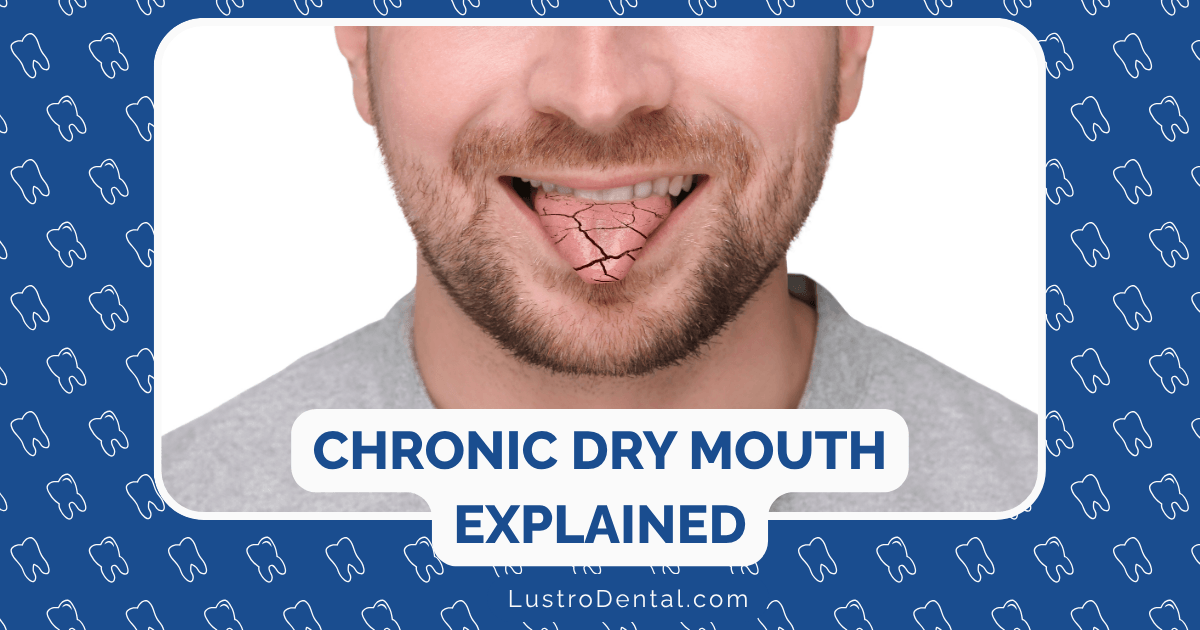
Prevents the discomfort of dry mouth (xerostomia)
Signs Your Oral Hydration Needs Attention
How do you know if your mouth is optimally hydrated? Watch for these indicators:
Signs of Inadequate Oral Hydration:
Persistent thirst or dry feeling in the mouth
Thick, stringy saliva or a feeling of insufficient saliva
Difficulty speaking or swallowing without sipping water
A 2022 study published in the Journal of Clinical Periodontology found that how you distribute your water intake throughout the day may be as important as the total amount:
Sipping water frequently: Taking small sips throughout the day was more effective for maintaining oral moisture than consuming large amounts at once
Strategic timing: Drinking water after meals and snacks helped neutralize acids and rinse away food particles more effectively
Nighttime hydration: Proper hydration before bed reduced the impact of naturally decreased salivary flow during sleep
2. The Quality of Your Water Matters
Not all water contributes equally to oral health:
Fluoridated water: According to the American Dental Association, optimally fluoridated water (0.7 parts per million) helps prevent tooth decay by up to 25% in children and adults
Mineral content: Water rich in calcium and phosphate can contribute to the remineralization process
pH level: Slightly alkaline water (pH 7.5-8.5) may help counteract acidic challenges in the mouth
3. Hydration from Food Sources
Research from the Institute of Medicine indicates that approximately 20% of our daily water intake comes from food. Some foods contribute significantly to oral hydration:
Water-rich fruits and vegetables: Watermelon (92% water), cucumbers (95% water), and strawberries (91% water) provide excellent hydration
Soups and broths: These deliver both hydration and beneficial minerals
Yogurt and milk: These dairy products provide hydration along with calcium and phosphate that support tooth remineralization
Hydration Strategies for Specific Oral Health Concerns
Different oral health conditions may benefit from tailored hydration approaches:
For Cavity Prevention
Rinse with water after consuming acidic or sugary foods/drinks: This helps neutralize acids and wash away fermentable carbohydrates
Choose fluoridated water: This strengthens enamel resistance to acid attacks
Time your water consumption: Drinking water shortly after meals provides maximum cavity-fighting benefits
For Gum Health
Recent research published in PMC found that participants with the highest quartile of plain water intake had a 22% lower risk of periodontitis compared to those in the lowest quartile, with an optimal intake identified at approximately 1200 ml/day for men.
Focus on consistent hydration: Maintain steady water intake throughout the day
Use a water flosser: This combines hydration with mechanical cleaning at the gumline
Consider alkaline water: Some studies suggest slightly alkaline water may help reduce gum inflammation
For Dry Mouth (Xerostomia)
For the approximately 20% of adults who experience dry mouth, often due to medications or health conditions, specialized approaches are needed:
Specialized oral hydration products: Products containing enzymes, electrolytes, and moisturizers designed specifically for dry mouth
Saliva substitutes: Gels and sprays that mimic the lubricating properties of natural saliva
Humidification: Using a room humidifier, especially while sleeping
Natural Saliva Stimulants: The Key to Sustainable Oral Hydration
Rather than constantly drinking water or using artificial products, stimulating your body’s natural saliva production offers a more sustainable approach to oral hydration:
1. Chewing Stimulation
Research from the Journal of Dental Research has shown that the mechanical action of chewing can increase salivary flow by up to 250%. Effective options include:
Sugar-free gum with xylitol: Provides both mechanical stimulation and cavity-fighting benefits
Crunchy fruits and vegetables: Apples, carrots, and celery require significant chewing and contain high water content
Fibrous foods: Whole grains and leafy greens require more chewing, stimulating saliva production
2. Flavor-Based Stimulation
Certain flavors and compounds can trigger increased salivary flow:
Citrus: The tartness of lemons and limes (used in moderation and followed by rinsing with water to protect enamel)
Spices: Cinnamon and ginger can stimulate saliva without the erosive potential of acidic foods
Herbal stimulants: Ingredients like slippery elm and marshmallow root have traditional use for increasing oral moisture
3. Hydrating Teas and Infusions
Not all beverages are created equal when it comes to oral hydration. Some excellent options include:
Herbal teas: Particularly chamomile, rooibos, and mint varieties (served without sugar)
Water infusions: Water infused with cucumber, berries, or herbs provides flavor without sugar or acid
Green tea: Contains compounds that may reduce oral bacteria while providing gentle hydration
The Hydration-Medication Connection
Many common medications can significantly impact oral hydration. According to the American Dental Association, over 500 medications list dry mouth as a side effect. These include:
Antihistamines
Antidepressants
Blood pressure medications
Decongestants
Pain medications
Diuretics
If you take medications that cause dry mouth, work with your healthcare providers to:
Explore alternative medications with fewer oral side effects
Adjust dosing schedules to minimize impact
Implement targeted oral hydration strategies
Consider prescription saliva stimulants if appropriate
Creating Your Personalized Oral Hydration Plan
Based on the latest research, here’s a framework for developing an optimal oral hydration strategy:
1. Baseline Water Intake
While individual needs vary, aim for:
Approximately 2-3 liters (8-12 cups) of water daily
At least half of this from plain water
The remainder from hydrating foods and appropriate beverages
2. Strategic Timing
Drink water first thing in the morning to rehydrate after sleep
Sip water between meals and snacks
Rinse with water after consuming acidic or sugary foods/drinks
Have a glass of water before bed
3. Incorporate Hydrating Foods
Aim to include several of these hydration-boosting foods daily:
Watermelon, cucumbers, strawberries, oranges
Yogurt, cottage cheese
Broths and soups
Oatmeal (prepared with adequate liquid)
4. Natural Saliva Stimulation
Include these in your daily routine:
Chew sugar-free gum with xylitol after meals (for 5-10 minutes)
Include crunchy fruits and vegetables in your diet
Consider appropriate herbal teas
5. Environmental Considerations
Use a humidifier in your bedroom, especially in dry climates or seasons
Be aware of medications that may cause dry mouth
Limit alcohol and caffeine, which can contribute to dehydration
Difficulty swallowing or speaking due to oral dryness
Rapid increase in cavities or gum problems
Dry mouth accompanied by dry eyes or joint pain (which may indicate Sjögren’s syndrome)
Your dentist can provide personalized recommendations, prescribe appropriate products or medications, and coordinate with your physician if necessary.
Conclusion: The Hydration Revolution in Oral Health
The connection between hydration and oral health extends far beyond simply drinking eight glasses of water a day. By understanding the complex role of saliva and implementing a comprehensive approach to oral hydration, you can significantly enhance your dental health outcomes.
Remember that optimal oral hydration is highly individual—what works for one person may not be ideal for another. Pay attention to your body’s signals, implement these evidence-based strategies, and work with your dental professional to find the approach that works best for you.
Your smile reflects not just your oral hygiene practices but also how well you maintain this delicate hydration ecosystem. With the right strategies, you can harness the power of optimal hydration for a healthier mouth and a more confident smile.
Have you experienced improvements in your oral health through better hydration practices? Share your experiences in the comments below!