🦷 General Care
✨ Treatments
👶 Family Care
💚 Wellness
💡 Resources

🦷 General Care
✨ Treatments
👶 Family Care
💚 Wellness
💡 Resources

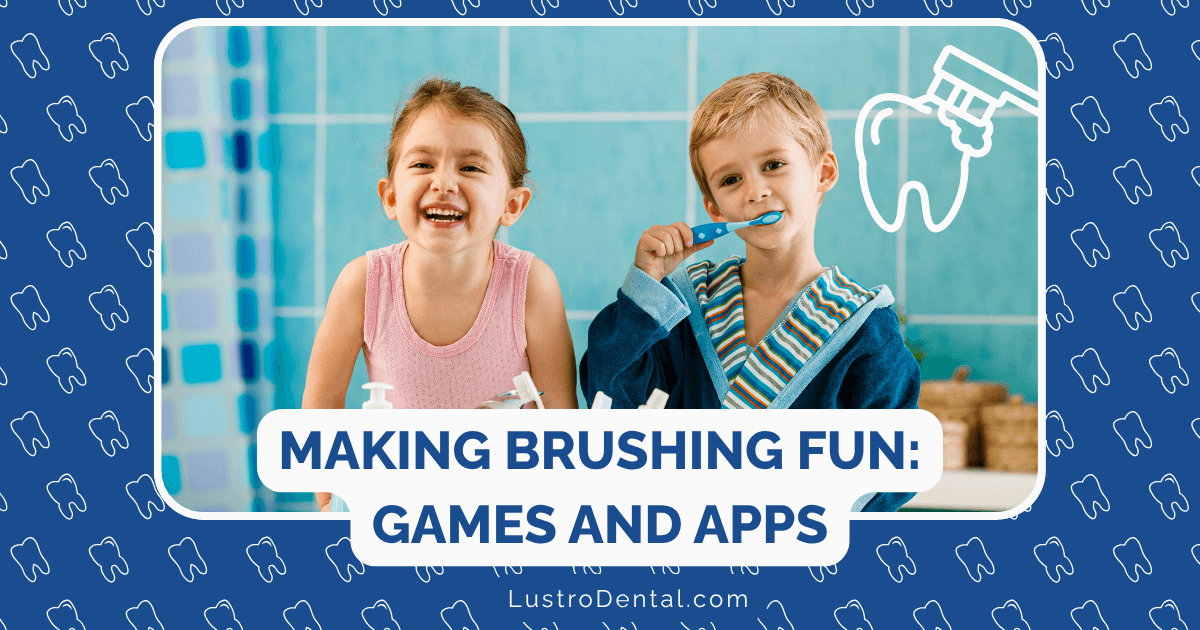
Getting children to brush their teeth properly can feel like an uphill battle for many parents. The recommended two minutes of brushing, twice daily, can seem like an eternity to a reluctant child. Yet establishing good oral hygiene habits early is crucial for lifelong dental health.
The good news? Technology and creativity have combined to transform this daily chore into an engaging experience. From interactive apps to simple games that require no screens at all, there are countless ways to make brushing fun for kids of all ages.
This guide explores the most effective digital and non-digital approaches to making tooth brushing an enjoyable part of your child’s routine, backed by insights from dental professionals and real parents.
Before diving into solutions, it helps to understand why children often resist brushing:
According to the American Academy of Pediatric Dentistry, understanding these resistance factors helps parents choose appropriate motivational tools for their child’s specific needs.
These apps ensure kids brush for the full recommended two minutes while being entertained:
Best for ages: 3-8
What it does: Reveals Disney, Marvel, or Star Wars characters as children brush, with a progress bar showing brushing time.
Why it works: According to Oral-B research, 98% of children brush longer when using this app. The familiar characters create excitement and the gradual reveal keeps kids engaged for the full duration.
Parent tip: “My daughter went from fighting brushing to asking to do it twice because she wants to see different characters.” – Parent review
Best for ages: All ages
What it does: Plays 2 minutes of music from your device’s library while displaying a simple timer.
Why it works: Created by a dentist, this award-winning NHS-approved app turns brushing into a dance party. The familiar music makes the time pass quickly.
Parent tip: “Create a special ‘tooth brushing playlist’ with your child’s current favorite songs to keep it fresh.”
Best for ages: 3-12
What it does: Not technically an app but a twice-daily podcast with jokes, stories, riddles, and fun facts that last exactly two minutes.
Why it works: Gives kids something to listen to while brushing without adding screen time. The content changes daily to keep things interesting.
Parent tip: “We use our smart speaker to play Chompers hands-free while brushing. The kids love hearing what’s new each day.”
These apps add gameplay elements to the brushing experience:
Best for ages: 4-8
What it does: Features a fairy tale storyline where children help save characters from cavity monsters by brushing their teeth.
Why it works: The narrative structure motivates kids to brush regularly to progress through the story and collect characters.
Parent tip: “My son pretends he’s a knight fighting cavity dragons even when we’re not using the app.”
Best for ages: 2-6
What it does: Allows children to create customized monster characters who guide them through brushing with a 2-minute timer.
Why it works: The personalization aspect gives children a sense of ownership, while the cute monsters make brushing seem playful rather than mandatory.
Parent tip: “Let your child create multiple monster characters and choose which one will ‘help’ them brush each day.”
Best for ages: 5-10
What it does: Uses the device’s camera as a “magic mirror” to show proper brushing technique with a robot guide named Budd.
Why it works: The augmented reality component helps children visualize proper technique while receiving real-time guidance.
Parent tip: “This app really helped my child with special needs understand the mechanics of brushing each area of the mouth.”
These apps incorporate learning about dental health alongside brushing motivation:
Best for ages: 3-8
What it does: Offers five mini-games teaching different aspects of oral hygiene, from proper brushing to healthy food choices.
Why it works: The variety of games keeps children engaged while reinforcing different aspects of dental health knowledge.
Parent tip: “We play one game before brushing as a warm-up activity, which gets my child in the right mindset.”
Best for ages: 4-9
What it does: Features animal characters that guide kids through brushing, with rewards that can be used to feed and care for their virtual pet.
Why it works: Combines the nurturing instinct with dental hygiene, creating a sense of responsibility for both their pet and their teeth.
Parent tip: “The visual guide showing which parts of the mouth to brush has really improved my child’s technique.”
While apps can be effective, balancing screen time is important for many families. These screen-free alternatives are equally engaging:
Best for ages: 3-7
How to play: Tell your child they’re in training to become a tooth fairy assistant, and they need to practice by keeping teeth clean.
Why it works: Taps into magical thinking and gives brushing a purposeful context.
Parent tip: “We created a special ‘tooth fairy training certificate’ that gets stamped each time my daughter brushes properly.”
Best for ages: 4-8
How to play: Take turns being the dentist and patient, with the “dentist” checking the “patient’s” brushing technique.
Why it works: Puts the child in the position of authority and expert when they play the dentist role.
Parent tip: “We use a stuffed animal as an additional patient, which allows me to demonstrate proper technique by ‘teaching’ the toy.”
Best for ages: All ages
How to play: Create a colorful chart where children earn stickers or stamps for each successful brushing session, with rewards at certain milestones.
Why it works: Visual progress tracking provides immediate satisfaction and builds toward meaningful rewards.
Parent tip: “We use themed charts that change monthly to keep it fresh. Our dinosaur month was especially popular.”
Best for ages: 5-10
How to play: Set a two-minute timer with incremental markers. Challenge kids to brush each quadrant of their mouth before each marker.
Why it works: The racing element adds excitement to the timing aspect of brushing.
Parent tip: “We use a visual sand timer with colored zones matching a mouth diagram, making it easy to see which section to brush.”
Best for ages: All ages
How to play: Play upbeat songs that last approximately two minutes and encourage dancing while brushing.
Why it works: Music makes time pass more quickly and the physical movement makes it fun.
Parent tip: “We created a ‘toothbrush dance’ with specific moves that help reach different parts of the mouth.”
Best for ages: 2-6
How to play: Tell a two-minute story about a character who is also brushing their teeth, incorporating instructions into the narrative.
Why it works: Storytelling captivates children’s attention while subtly guiding their brushing.
Parent tip: “I created a character based on my child’s favorite animal who has adventures while brushing. He now asks for specific stories by name.”
At this stage, parental involvement is essential, and establishing a routine is key:
According to the American Dental Association, toddlers should use only a rice-sized smear of fluoride toothpaste and need complete parental assistance.
Children at this age are developing independence but still need supervision:
Dental experts recommend that parents continue to assist with brushing until children have the dexterity to tie their own shoes, typically around age 6.
Children can now brush independently but benefit from supervision and motivation:
The Centers for Disease Control and Prevention notes that this is a critical age for establishing habits that will continue into adulthood.
Preteens may resist parental involvement but still need accountability:
At this age, orthodontic appliances may become part of the equation, requiring additional attention to brushing technique.
Pediatric dentist Dr. Sarah Johnson offers these suggestions for successfully incorporating brushing games and apps:
“Choose one or two approaches and use them consistently rather than constantly switching. Routine helps establish habits, even when the routine includes fun elements.”
“Children respond to parental energy. If you act like these games are fun, they’re more likely to perceive them that way too.”
“While brushing apps can be extremely effective, alternating with screen-free activities helps prevent dependency on devices for routine tasks.”
“What works at age 3 won’t work at age 8. Be prepared to adapt your approach as your child grows and their interests change.”
“External rewards should gradually give way to an understanding of the intrinsic value of good oral health. Use rewards as a starting point, not a permanent solution.”
The tools themselves can make a big difference in a child’s brushing experience:
The American Dental Association recommends that all children’s toothpaste contain fluoride and carry the ADA Seal of Acceptance, regardless of flavor or appearance.
While making brushing fun works for most children, persistent resistance may indicate underlying issues:
If games and apps aren’t helping after consistent effort, consult your pediatric dentist for personalized recommendations. Many dental professionals can suggest specialized tools or techniques for children with specific needs.
“My 4-year-old would cry every time we approached the bathroom for brushing. We started using the Disney Magic Timer app, and within three days, he was asking to brush his teeth. Six months later, he still gets excited to see which character will appear.” – Maria P., mother of two
“Letting my daughter choose her own toothbrush, toothpaste, and timer made all the difference. She selected a purple sparkly brush, strawberry toothpaste, and a unicorn sand timer. Now she proudly shows everyone her ‘unicorn brushing kit.'” – James T., father of three
“We tried several apps, but what ultimately worked was consistency and making it part of our bedtime story routine. We read a book about animals brushing their teeth, then brush together, then read another book. The predictable sequence helped it become a non-negotiable habit.” – Aisha M., mother of twins
The ultimate goal of making brushing fun isn’t just to get through today’s tooth-brushing session—it’s to establish habits that will support your child’s oral health throughout life. By finding approaches that resonate with your child’s interests and developmental stage, you transform a daily chore into an opportunity for engagement, learning, and even bonding.
Remember that what works will change as your child grows. Stay flexible, keep it positive, and don’t hesitate to consult dental professionals for personalized guidance. With consistency and creativity, your child can develop not just good brushing habits, but a positive relationship with dental care that will serve them well into adulthood.
What creative approaches have worked in your family to make brushing fun? Share your experiences in the comments below!