The Global Burden of Oral Disease: Understanding Disparities
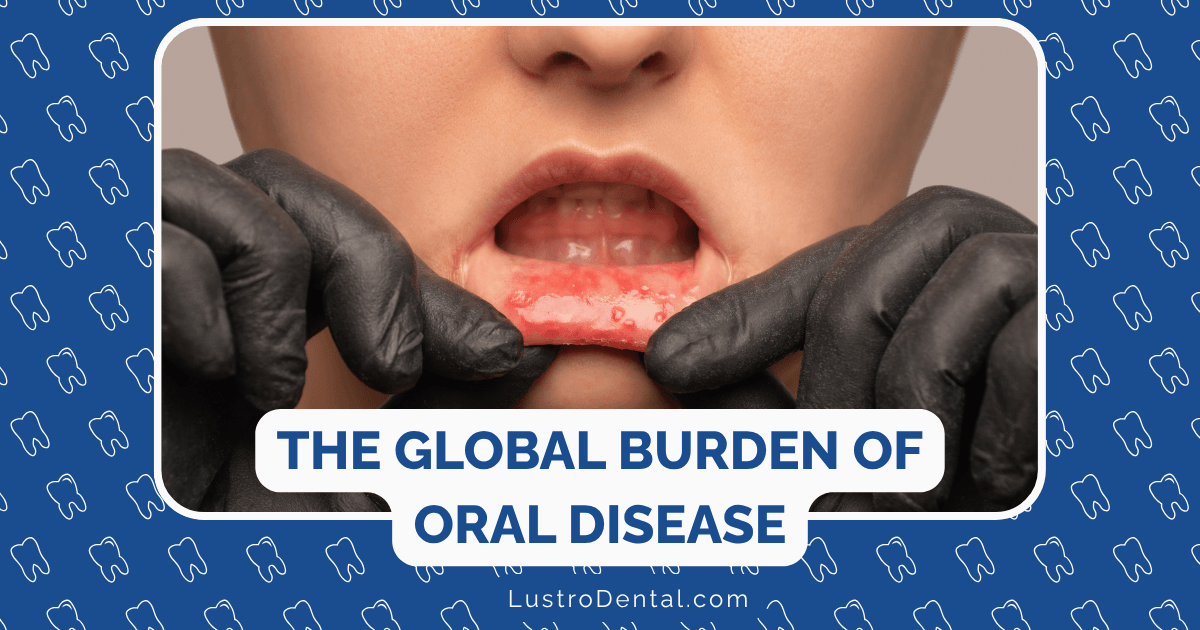
Oral health is a fundamental component of overall wellbeing, yet it remains one of the most neglected areas of global public health. While many of us take regular dental checkups for granted, the reality is that oral diseases affect nearly half of the world’s population—approximately 3.5 billion people—with profound disparities in who bears this burden and who has access to care. Let’s explore the global landscape of oral health disparities and what can be done to address this critical public health challenge.
Severe periodontal disease impacts 1 billion people
Complete tooth loss affects 350 million people
Oral cancer is diagnosed in 380,000 people annually
What’s particularly alarming is that the estimated number of oral disease cases has increased by approximately 50% during the past 30 years. The Global Burden of Disease Study 2021 indicates that there were 643.3 million prevalent cases of oral disorders globally in 2021, a 17.1% increase from 549.2 million in 1990.
The Economic Burden: Costly for Individuals and Systems
The financial impact of oral diseases is substantial:
Over $380 billion is spent annually on treating the main oral diseases
Oral diseases represent approximately 4.8% of global direct health expenditures
In many countries, treatment of oral diseases is among the most expensive healthcare services
Dental treatments often require out-of-pocket payments, creating significant financial barriers
According to research published in the Journal of Dental Research, these costs are expected to continue rising as populations age and as developing countries adopt Western diets high in sugar, leading to increased rates of dental caries.
Geographic Disparities: A Tale of Inequality
The burden of oral disease is not distributed equally across regions:
High-Income Countries
Lower overall prevalence of untreated oral diseases
Better access to preventive services
Higher rates of dental visits
More dentists per capita (approximately 1:2,000 population)
Low and Middle-Income Countries
Higher prevalence of untreated oral diseases
Limited access to preventive services
Lower rates of dental visits
Critical shortage of oral health professionals (as low as 1:150,000 in parts of Africa)
Recent data from the Lancet shows that the African and Eastern Mediterranean regions have experienced the largest increases in prevalent cases and disability-adjusted life years (DALYs) for most oral conditions. Meanwhile, the European region is the only one to see a decrease in the age-standardized prevalence of untreated caries from 1990 to 2021.
Socioeconomic Disparities: The Social Gradient in Oral Health
A clear social gradient exists in oral health, with disadvantaged groups bearing a disproportionate burden:
Income and Education
Individuals with lower incomes have 2-3 times higher rates of untreated decay
Adults with less than a high school education have nearly 3 times more untreated decay than those with higher education
In many countries, the poorest adults are 40-50% less likely to visit a dentist compared to the wealthiest
In developing countries, oral health services are primarily available in urban centers with little emphasis on preventive care
Research from the National Center for Biotechnology Information indicates that these disparities are not merely differences but inequities—they are unnecessary, avoidable, and unjust, reflecting unequal opportunities for health among disadvantaged groups.
Vulnerable Populations: Those Most Affected
Certain populations face particularly high burdens of oral disease and barriers to care:
Children
Dental caries is the most common chronic childhood disease
In some low-income countries, more than 90% of caries in primary teeth remain untreated
Children living in poverty are 5 times more likely to have untreated dental caries
Elderly
Approximately 30% of adults aged 65 and older have lost all their natural teeth in some regions
Edentulism (complete tooth loss) significantly affects nutrition and quality of life
The elderly often face multiple barriers to dental care, including mobility issues, financial constraints, and lack of transportation
Indigenous Populations
Indigenous communities often face higher rates of oral diseases
In many American Indian and Alaska Native communities, factors such as geographic isolation and low income exacerbate oral health disparities
Despite theoretically free dental care in some regions, actual access remains limited
Particularly effective for rural and remote populations
The Way Forward: Strategies for Action
Addressing global oral health disparities requires a comprehensive approach:
Policy Level
Universal health coverage that includes essential oral health services
Workforce development strategies to increase the number and distribution of oral health providers
Sugar policies including taxation of sugar-sweetened beverages and food labeling
Healthcare System Level
Integration of oral health into primary healthcare
Task-shifting to allow mid-level providers to deliver basic dental services
Value-based care models that reward prevention and outcomes
Community Level
Community-based participatory research to understand local needs and resources
Cultural competency training for oral health professionals
Community health worker programs to bridge gaps between communities and formal healthcare systems
Individual Level
Health literacy initiatives to improve understanding of oral health importance
Self-care support including access to appropriate oral hygiene products
Patient navigation services to help individuals access available care
The WHO Global Oral Health Action Plan: A Framework for Progress
In response to the global oral health crisis, the World Health Organization has developed a comprehensive Global Oral Health Action Plan with ambitious targets, including a 10% reduction in the prevalence of oral conditions by 2030. The plan emphasizes:
Oral health promotion and oral disease prevention
Reorientation of health services toward primary healthcare and universal health coverage
Strengthening workforce capacity for oral health
Monitoring, surveillance, and research for oral health
According to the WHO Global Status Report on Oral Health, achieving these goals will require political commitment, adequate resources, and multisectoral collaboration.
Conclusion: A Call to Action
The global burden of oral disease represents one of our most significant yet underrecognized public health challenges. The stark disparities in who suffers from oral diseases and who has access to care are not merely differences—they are inequities that reflect broader social, economic, and political factors.
Addressing these disparities requires action at multiple levels, from global policy to local community initiatives. It demands the engagement of not only dental professionals but also policymakers, public health officials, educators, community leaders, and individuals.
As we work toward a world where everyone has the opportunity for good oral health, we must keep in mind that oral health is not a luxury—it is a fundamental human right and an essential component of overall health and wellbeing. By understanding and addressing the complex factors that drive oral health disparities, we can move closer to a future where the burden of oral disease is both reduced and more equitably distributed.
What steps do you think are most important for addressing oral health disparities in your community? Share your thoughts in the comments below.