Beyond the Surface: Understanding Tooth Decay from the Inside Out
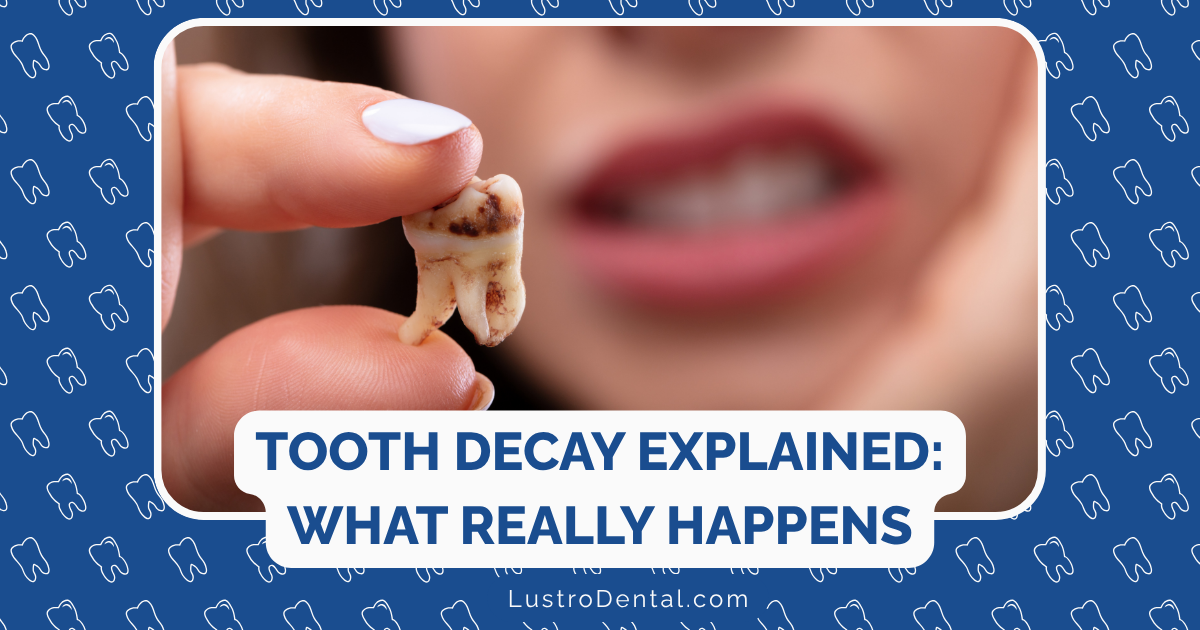
When we think about tooth decay, many of us picture a simple hole in a tooth—a cavity that needs filling. But beneath this surface understanding lies a fascinating and complex process that begins long before any visible damage appears. Tooth decay is not a sudden event but rather a gradual journey that involves the interplay of bacteria, diet, saliva, genetics, and lifestyle factors.
By understanding tooth decay from the inside out—how it starts, progresses, and can be prevented or even reversed in its earliest stages—we gain powerful knowledge that can transform our approach to oral health. This comprehensive guide delves deep into the science of tooth decay while offering practical, evidence-based strategies to protect your smile for a lifetime.
The Hidden Life of Your Teeth: More Than Meets the Eye
To truly understand tooth decay, we must first appreciate the remarkable structure and living nature of our teeth. Far from being inert objects, teeth are dynamic tissues with the ability to respond to their environment.
The Anatomy of a Tooth
Each tooth in your mouth consists of several distinct layers:
Enamel: The visible, outermost layer—the hardest substance in the human body, composed primarily of minerals (mainly hydroxyapatite crystals)
Dentin: The layer beneath enamel—slightly softer and more vulnerable to decay, containing microscopic tubules that connect to the pulp
Pulp: The living center of the tooth—contains blood vessels, nerves, and connective tissue
Cementum: A thin layer covering the root—helps anchor the tooth to the surrounding bone
Periodontal ligament: Connects the tooth to the jawbone—allows for slight movement and shock absorption
The Dynamic Nature of Tooth Enamel
While enamel appears solid and unchanging, it’s actually engaged in a constant process of mineral exchange with its environment:
Demineralization: The loss of minerals (primarily calcium and phosphate) from tooth enamel when exposed to acids
Remineralization: The natural repair process where minerals from saliva are redeposited into enamel
This dynamic equilibrium means that early stages of tooth decay can potentially be reversed—a crucial concept that forms the basis for many modern prevention strategies.
The Protective Role of Saliva
Saliva is far more than just moisture in your mouth; it’s a sophisticated protective fluid that:
Washes away food particles and bacteria
Neutralizes acids produced by bacteria
Contains minerals that help remineralize teeth
Includes proteins that form a protective pellicle on teeth
Contains antimicrobial compounds that help control bacteria
According to research published in the Journal of Dental Research, reduced saliva flow (dry mouth) can increase cavity risk by more than 300%, highlighting its crucial protective role.
The Decay Process: A Timeline of Destruction
Contrary to popular belief, tooth decay isn’t a sudden event but rather a progressive process that unfolds over time. Understanding this timeline gives us multiple opportunities for intervention.
Stage 1: Initial Demineralization (Reversible)
The decay process begins microscopically, invisible to the naked eye:
Acids from bacteria dissolve minerals from the enamel surface
A white spot lesion may form—the first visible sign of decay
The enamel surface becomes more porous
Key point: At this stage, the process is still reversible through remineralization
Stage 2: Enamel Decay
As demineralization continues without intervention:
The enamel structure begins to break down
A small cavity (hole) forms in the tooth surface
The decay is now visible on dental examination
Key point: Once a cavity forms in the enamel, professional treatment is needed
Stage 3: Dentin Decay
When decay penetrates through the enamel:
It spreads more rapidly through the softer dentin layer
Sensitivity to sweet, hot, or cold stimuli often develops
The decay can spread laterally beneath the enamel
Key point: At this stage, decay often progresses more quickly due to dentin’s less mineralized structure
An abscess (pocket of infection) forms in surrounding tissues
Swelling, severe pain, and systemic symptoms may develop
Key point: This stage can have serious health implications beyond the tooth itself
Understanding this progression highlights why early intervention is so crucial. According to the National Institute of Dental and Craniofacial Research, addressing decay in its earliest stages not only preserves tooth structure but also significantly reduces lifetime dental costs.
The Oral Microbiome: Friends and Foes in Your Mouth
Recent scientific advances have revolutionized our understanding of tooth decay by revealing the complex community of microorganisms that inhabit our mouths—the oral microbiome.
What Is the Oral Microbiome?
Your mouth naturally contains hundreds of species of bacteria, fungi, viruses, and other microorganisms living in a complex ecosystem. In a healthy mouth, these microbes exist in a balanced relationship with each other and with your body.
A typical healthy mouth contains 500-700 different microbial species
These microorganisms form structured communities called biofilms (dental plaque)
Some species are beneficial, some are potentially harmful, and many are neutral
The composition varies between individuals and even between different sites in the same mouth
The Decay-Causing Culprits
While many bacteria are present in plaque, specific species are primarily responsible for initiating tooth decay:
Streptococcus mutans: Often considered the primary decay-causing bacterium
Streptococcus sobrinus: Works alongside S. mutans in decay formation
Lactobacillus species: More involved in the progression of existing decay
Actinomyces species: Associated with root surface decay
These bacteria metabolize sugars and produce acids as a byproduct, creating the acidic environment that leads to demineralization.
The Protective Players
Interestingly, some bacteria in the oral microbiome actually help protect against tooth decay:
Streptococcus salivarius: Produces antimicrobial compounds that inhibit growth of decay-causing bacteria
Streptococcus sanguinis: Competes with S. mutans for colonization sites
Certain Veillonella species: Consume lactic acid produced by other bacteria, helping neutralize the oral environment
The Concept of Dysbiosis
Tooth decay doesn’t result simply from the presence of “bad bacteria” but rather from an imbalance in the microbial community—a condition called dysbiosis:
In health, beneficial and neutral species dominate
In dysbiosis, harmful acid-producing species become more prevalent
Factors like diet, oral hygiene, and genetics influence this balance
Modern prevention strategies increasingly focus on restoring microbial balance rather than just eliminating bacteria
Research published in the Journal of Dental Research demonstrates that individuals with fewer cavities typically have more diverse oral microbiomes with higher proportions of beneficial species—suggesting that microbial balance, not just oral hygiene, plays a crucial role in decay prevention.
Risk Factors: Why Some People Get More Cavities
Despite similar oral hygiene habits, some people seem more prone to cavities than others. Understanding these risk factors can help you identify your personal vulnerabilities and tailor prevention strategies accordingly.
Understanding your personal risk profile is the first step toward effective prevention. A dental professional can help assess your specific risk factors and develop targeted strategies to address them.
Early Detection: Spotting Decay Before It’s Too Late
The earlier tooth decay is detected, the more conservative and effective the treatment can be. Modern detection methods can identify decay long before it becomes visible to the naked eye.
Visual Signs of Early Decay
White spot lesions: Chalky, opaque areas on teeth—the earliest visible sign of demineralization
Light brown discoloration: Indicates more advanced demineralization
Visible cavitation: Actual holes or breaks in the tooth surface
Shadowing beneath enamel: Dark areas visible through seemingly intact enamel
Professional Detection Methods
Digital Radiography (X-rays)
Reveals decay between teeth not visible during examination
Enhanced imaging allows detection of smaller lesions
DIAGNOdent and Similar Laser Technologies
Uses laser fluorescence to detect changes in tooth structure
Can identify decay beneath the surface before cavitation
Provides numerical readings to monitor lesions over time
Transillumination
Shines a bright light through the tooth
Decay appears as a dark area due to light scattering
Particularly useful for detecting early decay between front teeth
Quantitative Light-induced Fluorescence (QLF)
Uses changes in the natural fluorescence of teeth
Can detect and monitor demineralization over time
Provides objective measurements of mineral loss
Self-Assessment Techniques
While professional examination remains essential, you can monitor for early signs at home:
Regular visual inspection: Using a mirror and good lighting
Sensitivity changes: New sensitivity to sweet, hot, or cold stimuli
Texture changes: Rough spots that can be felt with the tongue
Floss catching or tearing: May indicate cavitation between teeth
Early detection creates the opportunity for minimal intervention treatments and even natural remineralization of early lesions—potentially avoiding the need for drilling and filling.
The Remineralization Revolution: Reversing Early Decay
Perhaps the most exciting development in our understanding of tooth decay is the recognition that early lesions can actually be reversed through remineralization—the natural process of rebuilding tooth mineral content.
The Science of Remineralization
Remineralization occurs when minerals (primarily calcium and phosphate) from saliva or other sources are redeposited into demineralized areas of enamel:
Requires the presence of fluoride to enhance the process
Works best on smooth surface lesions (rather than pits and fissures)
Most effective in early stages before cavitation occurs
Creates a more acid-resistant structure than the original enamel
Fluoride: The Remineralization Catalyst
Fluoride plays a crucial role in remineralization by:
Attracting calcium and phosphate ions to demineralized areas
Forming fluorapatite, which is more resistant to acid than natural hydroxyapatite
Inhibiting bacterial metabolism, reducing acid production
Creating a reservoir of fluoride in plaque for ongoing protection
Sources of fluoride include:
Fluoridated water (systemic and topical benefits)
Toothpaste (most effective at 1000-1500 ppm fluoride)
Professional treatments (varnish, gel, or foam)
Prescription-strength products for high-risk individuals
Beyond Fluoride: Other Remineralizing Agents
Modern dental science has identified additional compounds that support remineralization:
Calcium Phosphate Technologies
Amorphous Calcium Phosphate (ACP): Releases calcium and phosphate ions
Casein Phosphopeptide-Amorphous Calcium Phosphate (CPP-ACP): Stabilizes calcium and phosphate in an available form
Bioactive glass: Releases calcium and phosphate when exposed to saliva
Hydroxyapatite
Synthetic form of the natural mineral in teeth
Increasingly used in toothpastes as a biocompatible alternative to fluoride
Particularly popular in Japan and Europe
Xylitol
Natural sweetener that inhibits growth of decay-causing bacteria
Most effective when used multiple times daily (total of 5-6g)
Research published in the Journal of the American Dental Association shows that combining these approaches—particularly fluoride with calcium and phosphate technologies—can enhance remineralization beyond what either achieves alone.
Conventional Prevention Strategies: What Works and Why
Traditional approaches to preventing tooth decay have stood the test of time for good reason. Understanding the science behind these methods helps us implement them more effectively.
Mechanical Plaque Removal
Toothbrushing Effectiveness
Technique matters more than time: The modified Bass technique (angling bristles toward the gumline) removes more plaque
Electric vs. manual: Studies show electric brushes remove 10-20% more plaque
Frequency: Twice daily is the evidence-based recommendation
Duration: Two minutes allows adequate time for all surfaces
Interdental Cleaning
Removes plaque from areas toothbrushes can’t reach
Options include floss, interdental brushes, water flossers, and floss picks
Different methods work better for different mouth anatomies
Daily cleaning is recommended regardless of method chosen
Chemical Plaque Control
Fluoride Toothpaste
Most important single preventive measure for most people
Effective concentration for adults: 1000-1500 ppm fluoride
Maximum benefit requires:
Brushing for two minutes
Spitting but not rinsing after brushing
Avoiding eating/drinking for 30 minutes after use
Antimicrobial Mouthwashes
Chlorhexidine: Most effective but causes staining with prolonged use
Essential oils (e.g., Listerine): Good balance of effectiveness and side effects
Cetylpyridinium chloride: Moderate effectiveness with fewer side effects
Dietary Modifications
Sugar Reduction Strategies
Limit frequency: Consolidate sugary foods to mealtimes
Be aware of hidden sugars: Read labels for ingredients ending in “-ose”
Rinse after sugary foods: When brushing isn’t possible
Protective Food Choices
End meals with cheese to neutralize acids
Choose fibrous fruits and vegetables that clean teeth while eating
Opt for sugar-free gum with xylitol after meals
Professional Preventive Care
Regular Dental Visits
Allow for early detection and intervention
Professional cleaning removes hardened plaque (tartar)
Frequency should be personalized based on risk (typically every 3-12 months)
Professional Fluoride Treatments
Higher concentration than home products
Particularly beneficial for high-risk individuals
Typically applied 2-4 times yearly
Dental Sealants
Plastic coatings applied to chewing surfaces
Block food and bacteria from pit and fissure areas
Reduce decay on treated surfaces by up to 80%
Most beneficial on permanent molars shortly after eruption
These conventional approaches form the foundation of any effective decay prevention strategy. However, emerging research suggests that addressing the oral microbiome directly may provide additional protection.
Modern Approaches: The Oral Microbiome Breakthrough
Recent scientific advances have shifted our understanding of tooth decay from a simple “acid attack” model to a more sophisticated view centered on the oral microbiome. This new perspective has led to innovative prevention strategies that work with your body’s natural defenses.
The Problem with Traditional Approaches
Many conventional decay prevention methods take a “scorched earth” approach:
Prevention should focus on creating conditions that favor beneficial bacteria
A diverse, balanced microbiome naturally suppresses pathogenic species
Oral Probiotics: Restoring Microbial Balance
Oral probiotics represent one of the most promising developments in decay prevention. Unlike traditional approaches that simply kill bacteria, probiotics introduce beneficial species to help restore a healthy balance.
How Oral Probiotics Work
Beneficial bacteria help prevent decay through several mechanisms:
Competing with harmful bacteria for space and resources
Producing antimicrobial compounds that target pathogenic species
Creating an environment less favorable for acid-producing bacteria
Supporting the immune system’s regulation of oral bacteria
ProDentim: A Targeted Approach
ProDentim is an innovative oral probiotic supplement specifically designed to support dental health through microbiome balance. Each tablet contains 3.5 billion CFUs (colony-forming units) of beneficial bacteria, including:
Lactobacillus paracasei: Helps inhibit the growth of Streptococcus mutans, the primary decay-causing bacterium
Lactobacillus reuteri: Produces antimicrobial compounds that target harmful bacteria while supporting oral health
Bifidobacterium lactis BL-04: Helps maintain a balanced oral microbiome and supports immune function
The formula also includes inulin (a prebiotic that selectively feeds beneficial bacteria) and other supporting ingredients that promote oral health.
Research published in the Journal of Clinical Dentistry found that certain probiotic strains can reduce S. mutans levels by up to 85% when used regularly, suggesting significant potential for decay prevention.
Prebiotics for Oral Health
Prebiotics are compounds that selectively feed beneficial bacteria, helping them thrive in the oral environment:
Inulin: Found in ProDentim and certain foods like bananas, onions, and garlic
Arginine: Present in foods like meat, dairy, and nuts
Plant polyphenols: Found in green tea, dark berries, and cocoa
Incorporating these elements into your diet or supplement regimen can help support a balanced oral microbiome that naturally resists decay.
pH-Balancing Approaches
Another modern strategy focuses on maintaining a neutral pH in the mouth:
Alkaline mouthwashes: Help neutralize acids after meals
Arginine-containing products: Bacteria convert arginine to ammonia, which neutralizes acid
Xylitol products: Prevent acid production by decay-causing bacteria
By combining these modern, microbiome-focused approaches with traditional preventive methods, you can create a comprehensive strategy that addresses tooth decay from multiple angles.
Treatment Options: From Minimal Intervention to Restoration
When prevention isn’t enough and decay does develop, modern dentistry offers a spectrum of treatment options ranging from minimally invasive to more extensive restorations.
May be appropriate when restoration would not be successful long-term
The Importance of Early Intervention
The progression of treatment options illustrates why early detection and intervention are so crucial:
Early lesions may require only improved home care and remineralization
Small cavities can be treated with conservative fillings
Delayed treatment leads to more extensive and expensive procedures
A study in the Journal of the American Dental Association found that treating decay at its earliest stages costs approximately one-tenth the amount of treating advanced decay requiring root canal therapy and crowns—highlighting the financial as well as health benefits of early intervention.
Creating Your Personalized Decay Prevention Plan
With so many prevention strategies available, the most effective approach is one tailored to your specific risk factors, lifestyle, and needs.
Assessing Your Risk Level
Several factors determine your personal cavity risk:
High-Risk Indicators
History of new cavities in the past year
Visible plaque, white spots, or early lesions
Reduced saliva flow (dry mouth)
Frequent snacking on sugary foods or drinks
Special health care needs affecting oral hygiene
Orthodontic appliances (braces)
Limited access to dental care
Low-Risk Indicators
No cavities for several years
Consistent oral hygiene habits
Regular dental visits
Fluoridated water consumption
Limited sugar intake
Adequate saliva flow
Components of a Comprehensive Prevention Plan
For Everyone (Basic Protection)
Daily Oral Hygiene
Brushing twice daily with fluoride toothpaste
Cleaning between teeth once daily
Considering an electric toothbrush for more effective plaque removal
Replacement of defective restorations that trap plaque
Microbiome Support
Daily oral probiotic supplementation with ProDentim
Xylitol products several times daily
For High Risk (Maximum Protection)
All of the above, plus:
Intensive Remineralization
Prescription-strength home fluoride
Calcium phosphate supplements
More frequent professional applications
Saliva Support (if needed)
Saliva substitutes
Medications review with physician
Hydration strategies
More Frequent Monitoring
Dental visits every 3-4 months
Regular bacterial testing
Radiographs at appropriate intervals
Comprehensive Microbiome Management
Consistent ProDentim use
pH-balancing strategies after meals
Targeted antimicrobial therapy if recommended
Implementing Your Plan Successfully
Start with Achievable Changes
Begin with 1-2 new habits rather than overhauling everything at once
Build on success rather than becoming overwhelmed
Focus first on the changes likely to have the biggest impact for your specific risk factors
Create Environmental Supports
Set up your bathroom for easy oral hygiene
Stock your kitchen with tooth-friendly foods
Keep ProDentim in a visible location as a daily reminder
Use technology (apps, timers) to support consistent habits
Monitor and Adjust
Track your progress with a simple system
Note improvements in dental check-ups
Be willing to modify your approach based on results
Celebrate successes, no matter how small
Remember that prevention is an ongoing process, not a one-time effort. By consistently implementing your personalized plan, you can significantly reduce your risk of tooth decay and maintain a healthy smile for life.
Conclusion: A Lifetime of Healthy Teeth
Understanding tooth decay from the inside out transforms how we approach oral health. Rather than viewing cavities as inevitable or simply a matter of brushing better, we can now see them as the result of a complex, dynamic process influenced by multiple factors—many of which we can control.
The key insights from modern dental science include:
Tooth decay is a process, not an event—with multiple opportunities for intervention before permanent damage occurs
The oral microbiome plays a crucial role—balancing beneficial and harmful bacteria can significantly impact decay risk
Early detection enables minimal intervention—identifying decay at its earliest stages allows for the most conservative treatment
Personalized prevention is most effective—addressing your specific risk factors yields better results than generic approaches
Comprehensive protection combines approaches—traditional methods work best when complemented by newer strategies like oral probiotics
By implementing the strategies outlined in this guide—including supporting your oral microbiome with products like ProDentim—you can take control of your dental health and significantly reduce your risk of tooth decay.
Remember that small, consistent actions have a cumulative effect over time. Each day you maintain good oral hygiene, make tooth-friendly dietary choices, and support your oral microbiome, you’re investing in a future with fewer dental problems, lower dental costs, and a healthier, more confident smile.
Have you tried innovative approaches to cavity prevention like oral probiotics? Share your experience in the comments below!
Frequently Asked Questions
How can I prevent tooth decay permanently?
While no approach guarantees 100% prevention, a comprehensive strategy gives you the best chance:
This multi-faceted approach addresses all the major contributors to tooth decay and provides redundant protection.
Can tooth decay be reversed without fillings?
Yes, but only at specific stages:
White spot lesions (early demineralization): Can often be reversed through improved oral hygiene, fluoride exposure, and remineralization products
Enamel cavities: Once a cavity (hole) forms in the enamel, professional treatment is needed, though minimally invasive options may be available
Deeper decay: Requires professional restoration
The key is early detection—regular dental check-ups can identify decay at its earliest, reversible stages.
How does ProDentim compare to traditional decay prevention methods?
ProDentim and traditional methods work in complementary ways:
Traditional methods (brushing, flossing, fluoride) primarily work by removing plaque and strengthening teeth against acid attacks
ProDentim works by supporting a balanced oral microbiome, potentially reducing the formation of decay-causing plaque in the first place
The most effective approach combines both strategies—mechanical cleaning and fluoride use along with microbiome support through products like ProDentim.
Why do I get cavities despite good oral hygiene?
Several factors can contribute to cavity formation even with good brushing and flossing:
Genetic factors: Tooth structure, saliva composition, and immune response
Diet: Frequent sugar exposure can overwhelm even good hygiene
Dry mouth: Reduced saliva significantly increases risk regardless of hygiene
Microbiome imbalance: Overabundance of decay-causing bacteria relative to beneficial species
This is why a comprehensive approach—potentially including oral probiotics like ProDentim to address microbiome imbalances—is important for thorough protection.
Are all sugars equally harmful to teeth?
No, sugars differ in their cavity-causing potential:
Sucrose (table sugar): Most harmful, as decay-causing bacteria can convert it directly into acids and sticky polymers
Glucose and fructose: Slightly less harmful but still readily metabolized by bacteria
Lactose (milk sugar): Less cariogenic, especially when consumed with protective proteins in dairy
Xylitol: Actually inhibits decay-causing bacteria and supports remineralization
The context also matters—sugars consumed during meals cause less damage than those consumed between meals due to increased saliva flow during eating.
How quickly does tooth decay progress?
The rate varies significantly based on individual factors:
In high-risk individuals (dry mouth, poor oral hygiene, frequent sugar), decay can progress from early demineralization to cavitation in a matter of months
In lower-risk individuals, the same progression might take years
Decay typically progresses faster in children’s teeth due to less mineralized enamel
Once decay reaches dentin, progression accelerates due to dentin’s less mineralized structure
This variable progression rate highlights why personalized risk assessment and prevention strategies are so important.