The Empty Space: Options for Replacing an Extracted Tooth
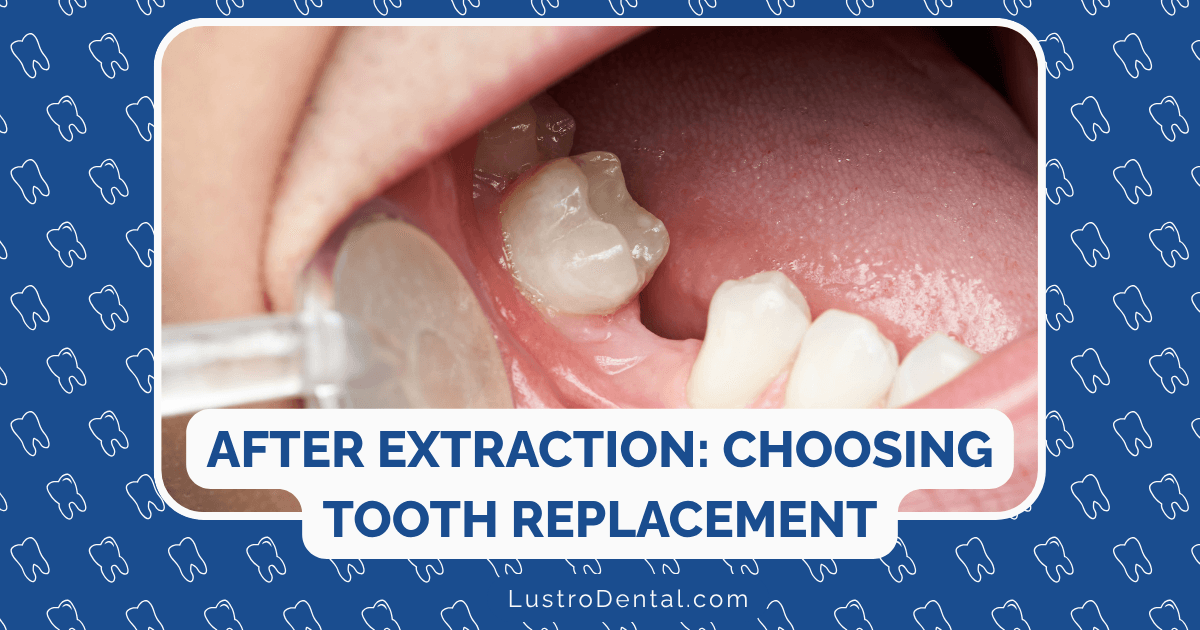
That gap where your tooth used to be can feel like so much more than just an empty space. For many of my patients, it represents a crossroads—a decision point that impacts not just their smile, but their confidence, comfort, and long-term oral health.
If you’re facing this decision after having a tooth extracted, know that you’re not alone. According to the American College of Prosthodontists, more than 120 million Americans are missing at least one tooth. The good news? Modern dentistry offers several excellent options to fill that space, each with its own set of advantages.
In this guide, we’ll explore your tooth replacement options with honesty and clarity, helping you understand which solution might be best for your unique situation.
Before we dive into your options, let’s address an important question: Is replacement really necessary? The short answer is yes, and here’s why:
The Domino Effect of a Missing Tooth
When you lose a tooth, it sets off a chain reaction in your mouth:
Neighboring teeth begin to shift toward the empty space, creating alignment issues
Opposing teeth can super-erupt (grow longer) without the contact of the missing tooth
Bone loss begins in the jaw where the tooth root used to be (about 25% of bone width is lost in the first year alone)
Facial structure can change over time as bone diminishes
Chewing efficiency decreases, potentially affecting nutrition and digestion
Speech may be affected, particularly with front teeth
Dr. Michael Wei of the American Dental Association notes, “What many patients don’t realize is that a single missing tooth can eventually lead to the loss of additional teeth if left untreated.”
Now that we understand the importance of replacement, let’s explore your options.
A titanium or zirconia post surgically placed in the jawbone
An abutment that connects the post to the restoration
A crown (artificial tooth) that looks and functions like a natural tooth
Pros of Dental Implants
Longevity: With proper care, implants can last a lifetime
Bone preservation: The implant stimulates the jawbone, preventing bone loss
Independence: Doesn’t rely on adjacent teeth for support
Natural function: Provides nearly 90-95% of the chewing efficiency of natural teeth
Aesthetics: Looks and feels most like a natural tooth
Stability: No movement or slipping
According to a 2025 study published in the Journal of Oral Implantology, dental implants have a success rate of over 95% after 10 years when properly maintained.
Cons of Dental Implants
Higher initial cost: Typically $3,100-$5,800 per tooth
Surgical procedure: Requires minor surgery and healing time
Time investment: The process can take 3-6 months from start to finish
Not for everyone: Requires adequate bone density and good general health
The Implant Process
The typical implant journey involves:
Consultation and planning: Detailed imaging and treatment planning
Implant placement: Surgical insertion of the implant post
Osseointegration: A healing period of 3-6 months while the implant fuses with bone
Abutment placement: Attaching the connector to the implant
Crown placement: The final restoration that looks like a natural tooth
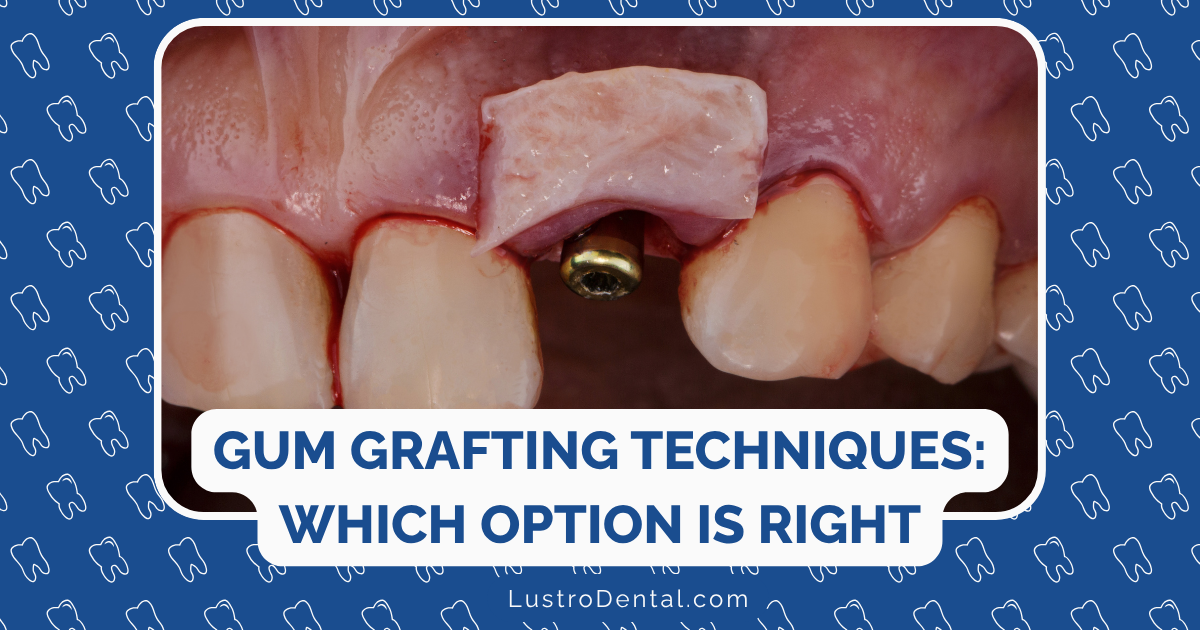
For those with insufficient bone, procedures like bone grafting can help create a suitable foundation for implants, though this adds to the cost and timeline.
Option 2: Dental Bridges — The Traditional Solution
Before implants became widely available, bridges were the standard for replacing missing teeth, and they remain an excellent option for many patients.
What Is a Dental Bridge?
A dental bridge literally “bridges” the gap created by one or more missing teeth. The typical bridge consists of:
Two crowns on the teeth adjacent to the gap (called abutment teeth)
One or more artificial teeth (pontics) suspended between them
Types of Bridges
Traditional bridges: Require crowns on adjacent teeth
Cantilever bridges: Supported by a crown on just one side
Maryland bridges: Use metal or porcelain wings bonded to adjacent teeth (typically used for front teeth)
Implant-supported bridges: Anchored to implants rather than natural teeth
Pros of Dental Bridges
More affordable upfront: Typically $2,000-$6,300 depending on type
Faster process: Usually completed in 2-3 weeks
Non-surgical: No surgery required for traditional bridges
Proven track record: A well-established solution with predictable results
Fixed in place: Unlike removable options, bridges stay in your mouth
The Cleveland Clinic reports that bridges can effectively restore both function and aesthetics for patients missing 1-3 teeth in a row.
Cons of Dental Bridges
Shorter lifespan: Typically last 7-15 years before needing replacement
Requires healthy adjacent teeth: These teeth must be altered to support the bridge
Doesn’t prevent bone loss: The jawbone still deteriorates under the pontic
Cleaning challenges: Requires special flossing techniques
Potential damage to supporting teeth: Increased stress on abutment teeth
The Bridge Process
Getting a dental bridge typically involves:
Preparation: Reshaping adjacent teeth to accommodate crowns
Impressions: Creating molds for the bridge fabrication
Temporary bridge: Protecting prepared teeth while the permanent bridge is made
Fitting and adjustment: Ensuring proper fit and bite alignment
Cementation: Permanently securing the bridge in place
Option 3: Removable Partial Dentures — The Flexible Solution
Partial dentures offer a removable and often more affordable option for replacing one or more missing teeth.
What Are Partial Dentures?
A partial denture consists of:
Replacement teeth attached to a gum-colored base
A metal or acrylic framework that clips onto remaining natural teeth
Clasps or attachments for stability
Types of Partial Dentures
Cast metal partials: More durable with a metal framework
Flexible partials: Made from nylon or similar materials, more comfortable and aesthetic
Acrylic partials (flippers): Often used as temporary solutions
Easily repairable: Can be adjusted or repaired if damaged
Replaceable: Can add more teeth if additional natural teeth are lost
Removable for cleaning: Can be thoroughly cleaned outside the mouth
Cons of Partial Dentures
Less stable: May move slightly when eating or speaking
Requires removal at night: Not a 24/7 solution
Visible clasps: Metal clasps may show when smiling
Adjustment period: Takes time to get used to
Bone loss continues: Doesn’t stimulate the jawbone
Regular adjustments needed: As the jaw changes shape over time
The Partial Denture Process
Getting a partial denture typically involves:
Initial impressions: Creating models of your teeth
Framework try-in: Testing the metal framework (for cast partials)
Final impressions: More detailed impressions for the final fitting
Tooth selection: Choosing the size, shape, and color of replacement teeth
Try-in: Testing the partial before final processing
Delivery and adjustment: Final fitting and instructions for use
Comparing Your Options: Making the Decision
With these three main options before you, how do you decide? Let’s compare them across key factors:
Cost Considerations
Initial Cost (2025 average prices):
Dental Implant: $3,100-$5,800 per tooth
Dental Bridge: $2,000-$6,300 for a typical three-unit bridge
Partial Denture: $1,000-$2,500
Long-term Cost: While implants have the highest upfront cost, they often prove more economical over a lifetime since bridges typically need replacement every 10-15 years and dentures require regular adjustments and eventual replacement.
Longevity and Durability
Dental Implants: 20+ years to lifetime with proper care
Dental Bridges: 7-15 years on average
Partial Dentures: 5-8 years before needing replacement
Impact on Adjacent Teeth
Dental Implants: No impact on neighboring teeth
Dental Bridges: Requires grinding down adjacent teeth
Partial Dentures: Puts pressure on supporting teeth, which can cause loosening over time
Bone Preservation
Dental Implants: Stimulates and preserves bone
Dental Bridges: No bone stimulation; bone loss continues
Partial Dentures: No bone stimulation; bone loss continues
Comfort and Function
Dental Implants: Most natural feel and function (90-95% of natural tooth function)
Dental Bridges: Fixed in place, good function (about 80% of natural tooth function)
Partial Dentures: May move slightly, reduced function (about 50-60% of natural tooth function)
Special Considerations
Age Factors
While there’s no upper age limit for any tooth replacement option, younger patients might benefit more from implants’ long-term bone preservation benefits. For older patients, health status and life expectancy might make bridges or dentures more practical.
Health Considerations
Certain health conditions may influence your options:
Diabetes: Can affect healing after implant surgery
Osteoporosis: May impact bone quality for implants
Immunocompromised conditions: May increase risk of complications
Multiple Missing Teeth
If you’re missing several teeth, your options expand to include:
Implant-supported bridges: Using implants to support multiple teeth
Implant-supported dentures: Combining the stability of implants with the coverage of dentures
All-on-4 or All-on-6 implants: Full-arch replacement using just 4-6 strategic implants
The Decision-Making Process
I always advise my patients to consider these questions when making their decision:
What’s your budget, both short-term and long-term?
How important is longevity to you?
Are you willing to undergo surgery for a more permanent solution?
How do you feel about altering adjacent healthy teeth?
What level of maintenance are you comfortable with?
Living With Your New Tooth: Adjustment and Care
Whichever option you choose, there will be an adjustment period:
For Implants:
Initial healing takes 1-2 weeks for soft tissue
Full integration takes 3-6 months
Care involves normal brushing, flossing, and regular dental check-ups
For Bridges:
Adjustment period of 1-2 weeks
May feel bulky initially
Requires special flossing tools to clean underneath
Regular check-ups to monitor supporting teeth
For Partial Dentures:
Adjustment period of 2-4 weeks
May cause increased saliva initially
Remove and clean daily
Soak overnight
Regular professional adjustments
Final Thoughts
There’s no one-size-fits-all answer to replacing a missing tooth. What works beautifully for one person may not be ideal for another. The best approach is a personalized one, taking into account your oral health, budget, preferences, and lifestyle.
Whatever option you choose, remember that replacing a missing tooth isn’t just about aesthetics—it’s an investment in your long-term oral health, comfort, and confidence.
Have you had a tooth replaced? What option did you choose, and how has your experience been? Share your story in the comments below to help others facing this important decision.