🦷 General Care
✨ Treatments
👶 Family Care
💚 Wellness
💡 Resources

🦷 General Care
✨ Treatments
👶 Family Care
💚 Wellness
💡 Resources

When Mark, a 34-year-old marketing executive, came to our practice, he had two seemingly unrelated concerns. First, he was self-conscious about the gap between his front teeth that had reappeared years after orthodontic treatment. Second, he’d always struggled with pronouncing certain sounds, particularly “r” and “l,” despite years of speech therapy as a child. What Mark didn’t realize was that both issues stemmed from the same source: an overly tight frenum.
Many adults are surprised to learn that a simple, quick procedure called a frenectomy can address problems they’ve struggled with for years—from speech difficulties to receding gums and even persistent gaps between teeth. In this comprehensive guide, we’ll explore how this minor surgical procedure can make a major difference for adults.
Before diving into frenectomy details, it’s important to understand what a frenum is and how it can cause problems.
A frenum (or frenulum) is a small fold of tissue that restricts or limits the movement of a mobile organ. In your mouth, there are several important frena:
Dr. Sarah Johnson of the American Academy of Periodontology explains: “While frena are normal anatomical structures, their size, position, and attachment can vary significantly between individuals. When a frenum is overly prominent or attached in a problematic location, it can lead to functional and aesthetic issues.”
A tight lingual frenum (tongue tie) can restrict tongue movement, affecting speech in several ways:
According to research published in the Journal of Communication Disorders, approximately 10% of adults with persistent speech difficulties have some degree of tongue tie that was never addressed in childhood.
“Many adults have compensated for their tongue tie through years of adaptation,” explains Dr. Robert Wilson, a speech-language pathologist. “They may have found ways to produce sounds that sound close enough to normal, but the effort required is greater, and perfect articulation remains elusive.”
An overly tight or poorly positioned labial frenum can contribute to gum recession in several ways:
A study in the Journal of Periodontology found that high frenum attachment was associated with a 30% increased risk of gum recession in the adjacent teeth.
A large or low-attached upper labial frenum can create or maintain a gap between the front teeth (diastema). While some people view this as a distinctive feature, others find it aesthetically concerning, especially when:
A frenectomy may be recommended when a problematic frenum is causing functional or aesthetic issues:
Dr. Michael Chen of Mayo Clinic notes: “Adult frenectomy is often overlooked as a solution to long-standing problems. Many patients have been told to ‘live with’ these issues or pursue more complex interventions when a simple frenectomy might provide significant improvement.”
Many adults avoid seeking treatment due to concerns about pain or complexity. Understanding the procedure can help alleviate these fears.
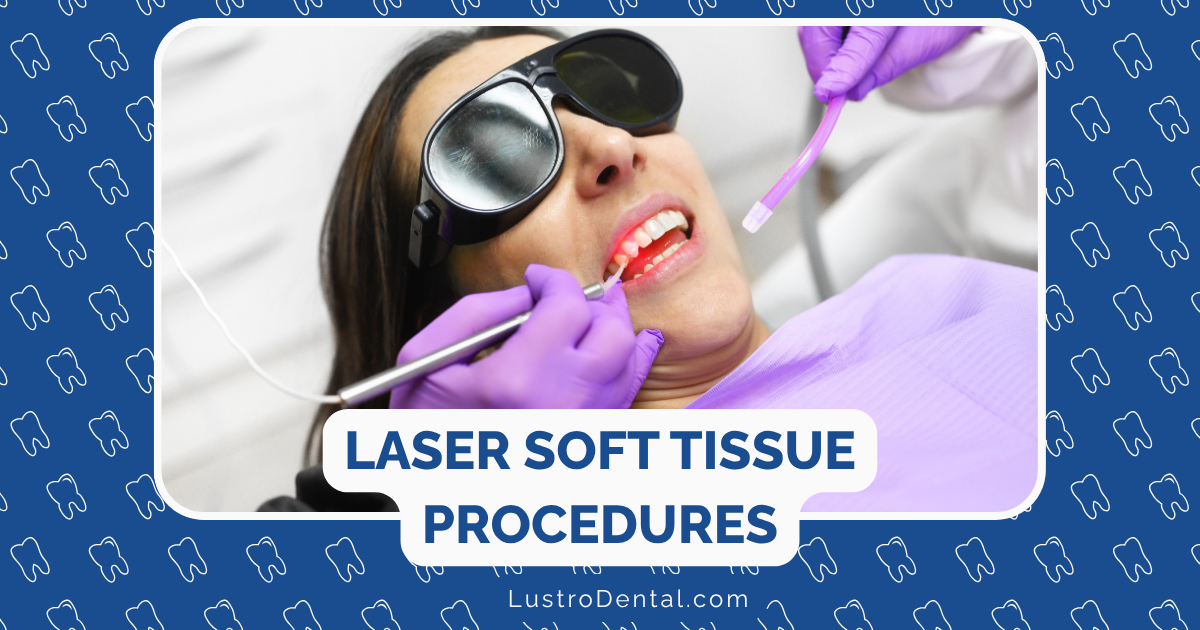
Adult frenectomy is typically a quick procedure (often 15-30 minutes) that can be performed using several techniques:
Traditional surgical approach:
Laser frenectomy:
Dr. Lisa Rodriguez, a periodontist specializing in laser procedures, explains: “Laser frenectomy has become increasingly popular for adult patients due to its precision, reduced discomfort, and faster recovery time. The laser seals blood vessels and nerve endings as it works, resulting in minimal bleeding and post-operative pain.”
Recovery from an adult frenectomy is typically straightforward:
For adults with tongue tie, a lingual frenectomy can lead to significant speech improvements:
A study published in the International Journal of Speech-Language Pathology found that 85% of adults who underwent lingual frenectomy for speech concerns reported noticeable improvement, with the best results occurring when the procedure was followed by speech therapy.
“The combination of releasing the physical restriction and then retraining the tongue through speech therapy creates optimal outcomes,” notes Dr. Wilson. “The brain needs to learn new movement patterns once the restriction is removed.”
Labial frenectomy can significantly impact periodontal health:
Research in the Journal of Clinical Periodontology indicates that frenectomy combined with proper oral hygiene instruction can halt progression of recession in 90% of cases where frenum pull was a contributing factor.
Beyond functional benefits, frenectomy often provides aesthetic improvements:
Returning to Mark from our introduction, he decided to proceed with both upper labial and lingual frenectomies. The procedures were performed using a dental laser in a single appointment.
“I was surprised by how quick and painless it was,” Mark shared. “The recovery was much easier than I expected—just some minor soreness for a few days.”
Three months after his procedures, Mark reported significant improvements:
“I wish I’d known about this years ago,” Mark reflected. “I spent so much time and money on orthodontics and speech therapy without addressing the underlying issue.”
If you’re experiencing any of these issues, you might consider discussing frenectomy with your dental provider:
A comprehensive evaluation by a dentist, periodontist, or oral surgeon can determine whether your frenum attachment is contributing to these problems and if a frenectomy might help.
For optimal results, look for a provider who:
Adult frenectomy represents a relatively simple intervention that can address problems many people have struggled with for years. From improved speech to better gum health and enhanced aesthetics, the benefits can be life-changing.
If you’ve been told to “live with” speech difficulties, are concerned about gum recession, or are frustrated by a persistent gap between your teeth, consider discussing whether a frenum attachment might be contributing to these issues. A quick consultation could lead to a solution you never knew was possible.
Have you undergone a frenectomy as an adult? We’d love to hear about your experience in the comments below.
With proper anesthesia, you should feel no pain during the procedure. Post-operative discomfort is typically mild and manageable with over-the-counter pain relievers. Laser frenectomy generally results in less post-operative discomfort than traditional surgical approaches.
Most adults return to normal activities the same day or the day after the procedure. Initial healing occurs within 7-10 days, though complete tissue remodeling takes several weeks.
While the frenectomy removes the physical restriction, your tongue has developed compensatory movements over years or decades. Working with a speech-language pathologist after the procedure can help you retrain these movements for optimal speech improvement.
No, adults of any age can benefit from frenectomy if a problematic frenum attachment is present. While earlier intervention (particularly for tongue tie) may prevent compensatory habits from forming, even older adults can experience significant improvements.
Coverage varies by provider and the reason for the procedure. Frenectomies performed to address documented functional problems or to prevent progression of gum disease are more likely to be covered than those done primarily for aesthetic reasons. Your dental office can help determine potential coverage.