🦷 General Care
✨ Treatments
👶 Family Care
💚 Wellness
💡 Resources

🦷 General Care
✨ Treatments
👶 Family Care
💚 Wellness
💡 Resources

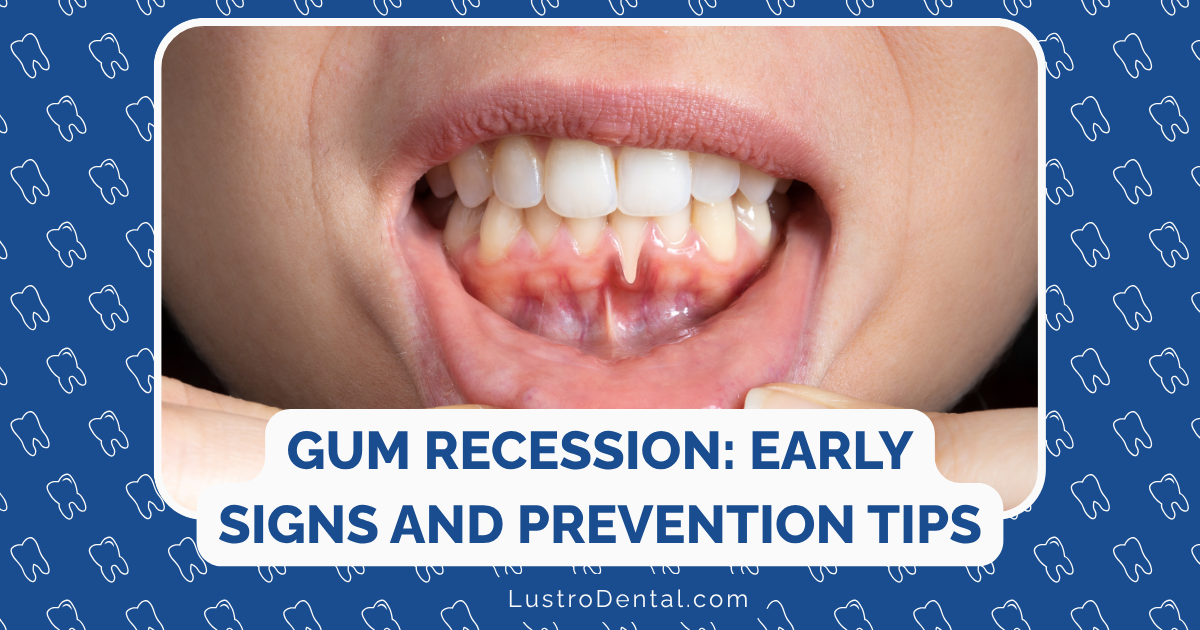
Gum recession is often called a “silent” condition—by the time most people notice their gums pulling back from their teeth, the process has already been underway for months or even years. This gradual retreat of gum tissue doesn’t just affect your smile’s appearance; it can lead to sensitivity, decay, and eventually tooth loss if left unchecked.
What makes gum recession particularly concerning is that once gum tissue is lost, it doesn’t grow back on its own. The good news? With early detection and intervention, you can halt recession in its tracks and preserve your oral health for years to come.
As someone who’s spent years advocating for proactive dental care, I want to share the subtle warning signs and detection methods that can help you identify gum recession long before it becomes visible to the untrained eye.
Before discussing recession, it’s important to understand what healthy gums look like. Healthy gingival (gum) tissue should:
Dr. Sarah Johnson, periodontist at University of California San Francisco, explains: “Healthy gums create a protective seal around your teeth, preventing bacteria from accessing the more vulnerable root surfaces and underlying bone. When this seal starts to break down, even microscopically, it creates the beginning stages of recession.”
Gum recession doesn’t happen overnight. It progresses through several stages, with the earliest being virtually invisible to the untrained eye. According to a comprehensive guide from Grove Dental Clinic, the progression typically follows this pattern:
This initial stage often goes completely unnoticed by patients. The gum tissue isn’t yet visibly receding, but the inflammatory process that precedes recession has begun. During this stage:
As inflammation persists, the gum tissue begins to pull away from the teeth, though the change is so subtle that most people won’t notice it without a dental professional’s assessment:
While visual changes might be difficult to detect in early recession, your body often sends other signals that something isn’t right. Pay attention to these subtle warnings:
One of the earliest and most common signs of gum recession is increased sensitivity, particularly to cold, sweet, or acidic foods and beverages. According to The Perio Group, this sensitivity occurs because the receding gums begin to expose the tooth’s root surface, which isn’t protected by enamel and contains tiny tubules that connect to the nerve.
What to notice: If you’ve developed new sensitivity in specific teeth, especially near the gumline, this could be an early warning sign of recession—even if the gums don’t yet appear to have receded.
Before visual changes become apparent, you might notice textural changes when running your tongue along your gumline.
What to notice: A healthy gumline feels smooth and firm. If you detect a slight notch, ridge, or roughness where your gum meets your tooth, this could indicate early recession. This notch is often the first tactile sign that the gum is no longer at its original position.
While generalized inflammation falls under gingivitis, localized inflammation around specific teeth can be an early indicator of impending recession in those areas.
What to notice: Gum tissue that appears redder, slightly swollen, or tender in isolated areas, particularly around teeth that are misaligned or subject to more force during brushing.
According to Altoona Smiles, bleeding during brushing or flossing—even if it’s just occasional or minimal—can signal the inflammatory process that precedes visible recession.
What to notice: Spots of blood on your toothbrush or floss, particularly if they consistently appear when cleaning certain areas of your mouth.
As recession begins, you might notice slight color changes where the gum meets the tooth.
What to notice: A yellowish or slightly darker line along the gumline could indicate that the root surface is beginning to become exposed, even if the gum hasn’t visibly receded yet.
Modern dentistry has developed sophisticated methods to detect gum recession in its earliest stages, long before it’s visible to the naked eye.
According to Pure Holistic Dentist, periodontal probing remains the most reliable method for detecting early gum issues. During this procedure:
Dr. Michael Chen, Director of Periodontics at Boston University Dental School, explains: “What makes periodontal probing so valuable is that it can detect changes in the gum attachment before there’s any visible recession. A slight increase in pocket depth from one visit to the next can alert us to a problem long before the patient would notice anything unusual.”
By 2025, dental practices have increasingly adopted advanced technologies for earlier detection of gum issues. According to West Palm Beach Family Dental, these include:
A 2025 systematic review published in the Journal of Clinical Periodontology found that the combination of AI with 2D radiographs was particularly effective for early detection of periodontal conditions, including the initial stages of recession.
Emerging technologies are allowing dentists to identify patients at higher risk for recession before it even begins:
Understanding your personal risk factors can help you stay vigilant for the earliest signs of recession. According to True Dental Studio, key risk factors include:
Over 30% of people are genetically predisposed to gum recession, regardless of their oral hygiene practices. If your parents or siblings have experienced gum recession, you may be at higher risk.
Brushing too hard or using a hard-bristled toothbrush can traumatize gum tissue over time, leading to recession. This is one of the most common yet preventable causes of recession.
When teeth aren’t properly aligned, some areas may be subject to excessive force or be more difficult to clean, increasing recession risk in those specific locations.
Grinding or clenching puts excessive force on the teeth and surrounding tissues, potentially accelerating gum recession, particularly around the most affected teeth.
Smoking and other tobacco products reduce blood flow to the gums and impair healing, making the gum tissue more vulnerable to recession.
While modern orthodontics is much gentler on tissues, some patients, particularly those who underwent treatment decades ago, may have experienced recession as a result of tooth movement.
While professional dental care is essential, you can also monitor your gum health between visits. Here’s how:
Gently run your fingernail along the gumline where it meets your tooth. In healthy gums, you shouldn’t feel a notch or ridge. If you do, this could indicate early recession.
Create a simple diagram of your mouth and mark any teeth that have developed sensitivity, particularly to cold. Tracking these areas over time can help identify patterns that might indicate progressive recession.
When flossing, pay attention to areas where the floss seems to “catch” or where you consistently see bleeding. These could be areas of early gum problems that might lead to recession.
Take well-lit photos of your smile every few months, focusing on the gumline. Compare these images over time to detect subtle changes that might not be noticeable day to day.
Your tongue is incredibly sensitive to textural changes. Regularly run your tongue along your gumline to familiarize yourself with how healthy gums feel. This makes it easier to detect changes early.
The best approach to gum recession is preventing it entirely. According to multiple dental experts, these strategies are most effective:
Use a soft-bristled toothbrush and gentle, circular motions. Avoid aggressive scrubbing, which can damage gum tissue over time. Electric toothbrushes with pressure sensors can be particularly helpful for those who tend to brush too hard.
Professional cleanings remove hardened plaque (tartar) that can’t be eliminated with home care and contribute to gum inflammation and recession.
If you grind your teeth, particularly at night, talk to your dentist about a custom nightguard to distribute forces more evenly and protect your teeth and gums.
If you have misaligned teeth that might be contributing to localized gum problems, consider orthodontic options to create a more harmonious bite.
A diet rich in vitamin C, which is essential for collagen production and gum health, can help maintain strong gingival tissue. Foods like citrus fruits, berries, bell peppers, and leafy greens are excellent sources.
While monitoring at home is valuable, certain signs warrant a prompt dental visit:
Dr. Jennifer Lee, periodontist at New York University Dental School, advises: “Don’t wait until recession is obvious to seek help. The earlier we intervene, the more options we have for treatment and the better the long-term prognosis. Many patients are surprised to learn that what they thought was minor sensitivity was actually the first sign of a developing problem.”
If you’ve identified early signs of recession, modern dentistry offers several effective interventions:
Looking ahead, several promising developments are on the horizon:
According to Cheer Dental, advances in regenerative dentistry are enabling experimental techniques to actually regrow gum tissue rather than simply grafting it from elsewhere.
Artificial intelligence is increasingly being used to predict which patients are most at risk for recession and to develop personalized prevention strategies based on individual risk factors.
Smart toothbrushes and specialized oral cameras are making it possible for patients to monitor their gum health more effectively between dental visits, with some devices able to alert users to early signs of inflammation or recession.
Gum recession doesn’t have to be an inevitable part of aging. By understanding the subtle, often invisible early signs and working closely with dental professionals who utilize advanced detection methods, you can identify and address recession long before it becomes obvious—and before it threatens your oral health.
Remember that healthy gums are the foundation of a healthy mouth. They protect your teeth, support proper function, and contribute to your overall well-being. Investing time in monitoring and maintaining your gum health today can save you from more extensive and expensive treatments in the future.
Have you noticed any of the early warning signs discussed in this article? Don’t wait until recession becomes visible—schedule a comprehensive periodontal evaluation with your dental professional today.