🦷 General Care
✨ Treatments
👶 Family Care
💚 Wellness
💡 Resources

🦷 General Care
✨ Treatments
👶 Family Care
💚 Wellness
💡 Resources

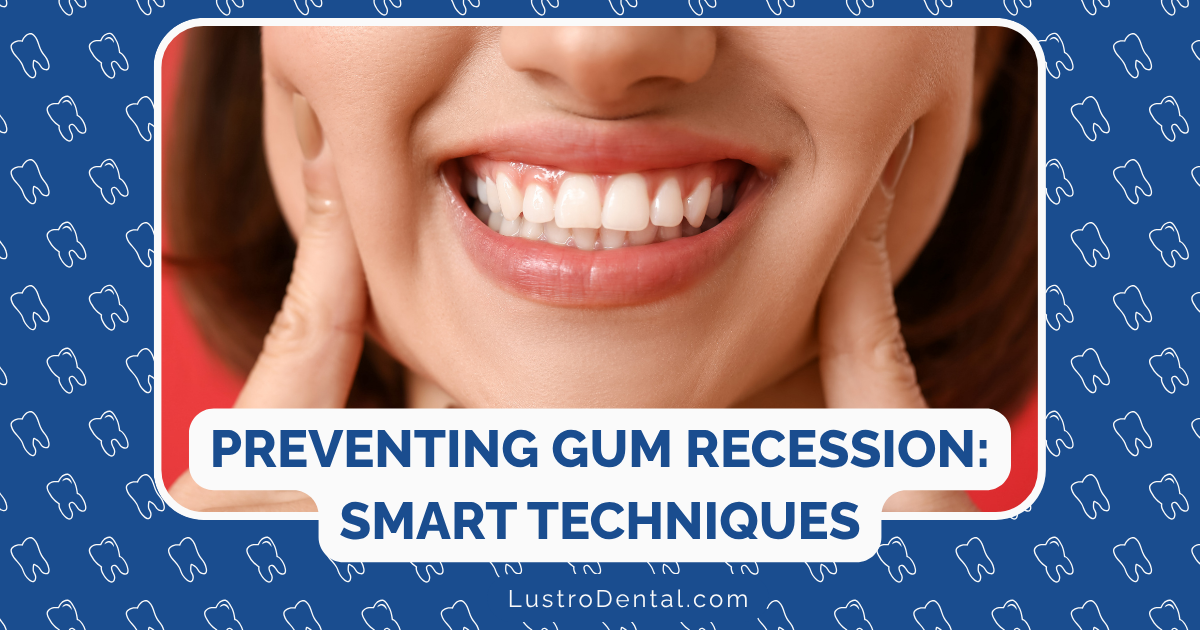
If you’ve noticed your gums pulling back from your teeth, exposing more of the tooth surface or even the root, you’re experiencing gum recession—a common dental concern affecting nearly half of adults over 30. While receded gum tissue doesn’t grow back on its own, the good news is that you can halt further recession and protect your remaining gum tissue with the right approach.
As someone who’s spent years advocating for dental health education, I’ve seen countless patients struggle with gum recession and the confusion surrounding effective prevention strategies. With so many products claiming miraculous results and conflicting advice online, it’s difficult to know what actually works.
This comprehensive guide cuts through the marketing hype to bring you evidence-based products and techniques that genuinely prevent further gum recession, based on the latest research and clinical experience.
Before discussing prevention, it’s important to understand what you’re fighting against. Gum recession has multiple potential causes:
Perhaps the most common and preventable cause is brushing too hard or using improper technique. This mechanical trauma gradually wears away gum tissue over time.
Bacterial infections that destroy gum tissue and the supporting bone can lead to recession. According to the American Academy of Periodontology, nearly one-third of Americans are genetically predisposed to developing dental infections.
Some people naturally have thinner gum tissue or are predisposed to gum problems, making them more vulnerable to recession.
The excessive force from grinding or clenching can traumatize gums and contribute to recession.
Smoking and other tobacco products restrict blood flow to gum tissues and impair healing, accelerating recession.
Fluctuations during pregnancy, menopause, or other hormonal shifts can make gums more susceptible to recession.
When teeth don’t come together properly, excessive force may be placed on certain areas, contributing to localized recession.
Dr. Sarah Johnson, periodontist at University Dental Center, explains: “Identifying the specific causes of your gum recession is crucial for effective prevention. Different causes require different preventive strategies, which is why a personalized approach is so important.”
Let’s start with the products that research shows genuinely help prevent further recession:
Electric toothbrushes with built-in pressure sensors have revolutionized gum recession prevention by alerting users when they’re brushing too aggressively.
Top recommendations based on 2025 research:
Dr. Michael Chen, dental researcher at Boston University, notes: “The pressure sensor technology in modern electric toothbrushes has been a game-changer for preventing gum recession. Many patients don’t realize how hard they’re brushing until they use one of these devices.”
If you prefer manual brushing, choose toothbrushes specifically designed for sensitive gums:
Modern toothpastes can do much more than clean—they can actively help protect against further recession.
Toothpastes containing stannous fluoride offer antibacterial properties and help strengthen the gumline.
Top options:
Cleaning between teeth is crucial for preventing gum disease and further recession, but traditional flossing can be challenging for many people.
Water flossers have revolutionized interdental cleaning, making it more accessible and effective for many patients.
Top recommendations:
Dr. Lisa Williams, periodontist at Northwestern University, explains: “Water flossers can reduce bleeding and gingivitis more effectively than traditional floss for many patients, particularly those with existing recession or periodontal issues.”
For larger spaces between teeth or around dental work:
The right therapeutic mouthwash can significantly contribute to preventing further recession.
Dr. Jennifer Lee, dental researcher, notes: “Alcohol-free formulations are particularly important for patients with recession, as alcohol-based products can dry out and irritate already vulnerable gum tissue.”
Even the best products won’t help if you’re using them incorrectly. These evidence-based techniques make all the difference:
According to Dr. Evan Grodin, the correct brushing technique is crucial:
The C-shaped flossing technique is gentler on gums while being more effective:
To maximize benefits while minimizing potential damage:
Products and techniques are only part of the equation. According to research from Southgate Dental Centre and Parkwood Dental, these lifestyle factors significantly impact gum recession:
A balanced diet rich in these nutrients supports gum health and resilience:
According to a 2025 study from Grand Rapids Dentists, chronic stress significantly impacts gum health by:
Effective stress management techniques include:
Quitting smoking and other tobacco products is one of the most impactful steps you can take to prevent further recession. Tobacco:
Staying well-hydrated supports healthy saliva production, which:
Aim for at least 8 glasses of water daily, more if you’re active or in hot weather.
Sometimes, professional treatments are necessary to prevent further recession, particularly if you already have significant gum disease or recession.
Regular professional cleanings remove hardened plaque (tartar) that home care can’t address. For those with early signs of gum disease, scaling and root planing—a deep cleaning procedure—can be crucial.
According to Cleveland Clinic, scaling and root planing:
Modern laser treatments offer a minimally invasive option for preventing further recession. According to Sekhon Dentistry and research published in 2025, laser therapy:
Different types of lasers offer specific benefits:
Targeted antibiotics placed directly into periodontal pockets can help control infection and prevent further recession:
According to Sekhon Dentistry, approximately 80% of patients respond favorably to localized antibiotic therapy, showing significant reductions in pocket depth and inflammation.
If teeth grinding or clenching is contributing to your recession, a custom night guard can be essential:
For recession caused by misaligned teeth or bite issues, orthodontic treatment may be necessary to create proper alignment and reduce abnormal forces on gums.
Several promising approaches are showing potential for preventing further recession:
Platelet-rich plasma (PRP) and platelet-rich fibrin (PRF) therapies use components from your own blood to:
Emerging research suggests that certain probiotic strains may help maintain a healthy balance of oral bacteria, potentially reducing inflammation and supporting gum health.
New biomaterials designed to support gum tissue regeneration are showing promise in clinical trials, potentially offering options for strengthening existing gum tissue.
The most effective approach to preventing further recession is a personalized plan that addresses your specific risk factors and needs. Here’s how to create yours:
Schedule a comprehensive periodontal evaluation to:
Based on your dentist’s recommendations and the information in this article, choose products that address your specific needs:
Work with your dental hygienist to ensure you’re using proper techniques:
Identify and address the lifestyle factors most relevant to your situation:
Regular monitoring is essential:
Preventing further gum recession isn’t about finding a miracle product or quick fix—it’s about consistent application of evidence-based products and techniques, combined with lifestyle changes and professional care when needed.
Dr. Robert Williams, periodontist and researcher, emphasizes: “The patients who successfully prevent further recession aren’t necessarily those using the most expensive products or undergoing the most advanced treatments. They’re the ones who are consistent with their daily care routine, address underlying causes like grinding or poor nutrition, and maintain regular professional care.”
By implementing the strategies outlined in this article and working closely with your dental professionals, you can effectively halt further recession and maintain your remaining gum tissue for years to come. Your gums provide the foundation for a healthy smile—they’re worth the investment of time and care.
Have you found particular products or techniques effective in preventing gum recession? Share your experiences in the comments below to help others on their journey to better gum health.