🦷 General Care
✨ Treatments
👶 Family Care
💚 Wellness
💡 Resources

🦷 General Care
✨ Treatments
👶 Family Care
💚 Wellness
💡 Resources

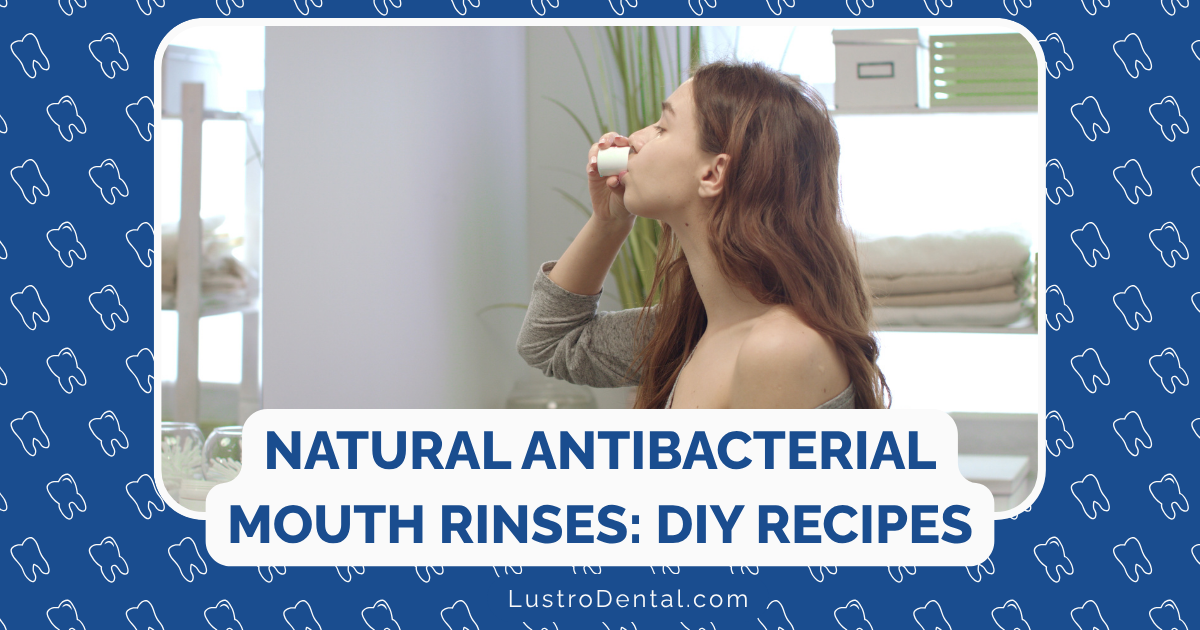
Have you ever looked at the ingredient list on your commercial mouthwash? Between the alcohol, artificial colors, and chemical preservatives, you might wonder if there’s a more natural approach to keeping your mouth fresh and healthy. The good news is that there are effective antibacterial mouth rinses you can make right in your own kitchen using simple, natural ingredients.
As a dental health advocate, I’m excited to share science-backed recipes that can complement your oral hygiene routine. These natural alternatives not only help reduce bacteria but also avoid the harsh chemicals that can disrupt your oral microbiome or cause irritation for those with sensitive mouths.
Before diving into recipes, let’s understand why you might want to try making your own mouth rinse:
“Commercial mouthwashes can be effective, but they sometimes use a sledgehammer approach—killing all bacteria, both good and bad,” explains Dr. Sarah Johnson, a holistic dentist. “Natural alternatives can help maintain a healthier balance in your oral microbiome.”
The key to an effective natural mouth rinse is using ingredients with proven antibacterial properties. Here are some research-backed options:
How it works: Salt creates an alkaline environment that inhibits bacterial growth and reduces inflammation.
Research evidence: Studies show saltwater rinses can reduce bacteria and promote healing after dental procedures. A review in the Journal of Indian Society of Periodontology confirmed salt’s antibacterial properties and effectiveness in reducing gum inflammation.
How it works: Baking soda neutralizes acids, reduces plaque, and has mild antibacterial properties.
Research evidence: Research published in the Journal of Clinical Dentistry found that baking soda can reduce plaque and gingivitis. It also helps neutralize acidic environments where cavity-causing bacteria thrive.
How it works: Many essential oils contain compounds with antimicrobial properties that can inhibit bacterial growth.
Research evidence: A 2025 systematic review published in Frontiers in Dental Medicine found that plant extracts containing essential oils demonstrated significant antibacterial effects against oral pathogens, including Streptococcus mutans (which causes cavities) and Candida albicans.
Particularly effective essential oils include:
How it works: Various herbs contain compounds that can inhibit bacterial growth and reduce inflammation.
Research evidence: A 2025 study in PMC found that polyherbal rinses and extracts such as green tea (Camellia sinensis), pomegranate (Punica granatum), ginger (Zingiber officinale), and rosemary (Rosmarinus officinalis) reduced inflammation and improved gingival health, with efficacy comparable to conventional agents like chlorhexidine.
How it works: This natural sweetener inhibits the growth of Streptococcus mutans by preventing bacterial adhesion.
Research evidence: Multiple studies have shown that xylitol reduces the levels of cavity-causing bacteria in saliva and plaque, making it a valuable ingredient in natural oral care products.
Now that we understand the science behind these ingredients, let’s explore some easy-to-make recipes:
Ingredients:
Instructions:
Best for: Reducing bacteria after minor oral surgeries, relieving mild gum inflammation, or as a daily rinse for general oral health.
Storage: Make fresh daily.
Ingredients:
Instructions:
Best for: Neutralizing acids, freshening breath, and general antibacterial action.
Storage: Store in a glass container for up to one week in the refrigerator. Shake well before each use.
Ingredients:
Instructions:
Best for: Strong antibacterial action and breath freshening.
Storage: Refrigerate in a sealed glass container for up to one week.
Ingredients:
Instructions:
Best for: Cavity prevention and reducing plaque formation.
Storage: Refrigerate for up to 3 days.
Ingredients:
Instructions:
Best for: Soothing irritated gums while providing antibacterial benefits.
Storage: Refrigerate in a sealed container for up to one week. Shake well before using.
Ingredients:
Instructions:
Best for: Fighting bacteria and reducing inflammation in gum tissue.
Storage: Refrigerate for up to 5 days.
Ingredients:
Instructions:
Best for: Strong antibacterial action against multiple oral pathogens.
Storage: Refrigerate for up to one week. The taste is strong, but the antibacterial benefits are significant.
To get the most benefit from your natural mouth rinses:
While natural mouth rinses can be effective and beneficial, there are some important considerations:
“Homemade mouth rinses are complementary to, not replacements for, proper brushing and flossing,” emphasizes Dr. Michael Chen, a periodontist. “They can enhance your oral hygiene routine but shouldn’t be your only line of defense against bacteria.”
In some situations, dentist-recommended commercial products may be more appropriate:
Natural mouth rinses can help maintain oral health, but they aren’t a cure-all. See your dentist if you experience:
Natural antibacterial mouth rinses offer a gentler, customizable approach to oral care that can complement your regular brushing and flossing routine. With ingredients backed by scientific research, these homemade solutions can help maintain oral health while avoiding harsh chemicals found in some commercial products.
“What I appreciate about natural mouth rinses is that they empower patients to take an active role in their oral health using simple, accessible ingredients,” says Dr. Lisa Williams, who integrates holistic approaches into her dental practice. “When used correctly, they can be a valuable addition to a comprehensive oral hygiene routine.”
By understanding the properties of different natural ingredients and following proper preparation and storage guidelines, you can create effective antibacterial mouth rinses tailored to your specific needs. Whether you’re looking to reduce bacteria, soothe irritated gums, or simply freshen your breath naturally, there’s a homemade solution worth trying.
Remember that the best approach to oral health combines good brushing and flossing habits, a balanced diet, regular dental check-ups, and appropriate supplementary care—which can certainly include these natural antibacterial mouth rinses.
Have you tried making your own mouthwash? What ingredients have worked best for you? Share your experiences in the comments below.