🦷 General Care
✨ Treatments
👶 Family Care
💚 Wellness
💡 Resources

🦷 General Care
✨ Treatments
👶 Family Care
💚 Wellness
💡 Resources

When we think about health risks, dental materials aren’t usually the first things that come to mind. Yet the materials used in dental procedures can contain substances that may affect our overall health. As a dental health advocate, I believe patients deserve to be informed about potential toxins in dental materials and how to minimize exposure while maintaining excellent oral health.
This practical guide will help you understand common dental toxins, their potential health impacts, and concrete steps you can take to reduce your exposure without compromising your dental care.
Several materials used in conventional dentistry have raised health concerns due to their chemical composition. Let’s examine the most common ones:
What they are: Often called “silver fillings,” dental amalgams contain approximately 50% elemental mercury combined with other metals like silver, tin, and copper. Despite their declining use, millions of people still have amalgam fillings in their mouths.
Potential concerns: Mercury is a known neurotoxin that can release small amounts of vapor during chewing, brushing, or grinding. According to research published in the Journal of Occupational Medicine and Toxicology, mercury vapor can be absorbed into the bloodstream and may accumulate in organs including the brain and kidneys.
The U.S. Food and Drug Administration (FDA) has acknowledged potential risks for certain high-risk groups, including:
What it is: BPA is a chemical used in many plastic products, including some composite (white) dental fillings and sealants. It’s used as a building block in dental resins.
Potential concerns: BPA is an endocrine disruptor that can mimic estrogen in the body. Research published in the Journal of Dental Research has found that some composite fillings can release BPA, particularly immediately after placement. Studies have linked BPA exposure to various health issues, including:
What it is: Fluoride is added to many dental products, including some fillings, cements, and preventive treatments, due to its ability to strengthen tooth enamel and prevent decay.
Potential concerns: While fluoride in appropriate doses is beneficial for dental health, excessive exposure has been linked to dental fluorosis (discoloration and pitting of tooth enamel) and, in very high doses, skeletal fluorosis. Some research also suggests potential neurological effects from high fluoride exposure, though this remains controversial.
What they are: Metals like nickel, chromium, and cobalt are commonly used in orthodontic appliances, crowns, and bridges.
Potential concerns: These metals can cause allergic reactions in sensitive individuals. According to the American Contact Dermatitis Society, nickel is the most common contact allergen in developed countries, affecting approximately 10-20% of the population.
Now that we understand the potential concerns, let’s explore practical steps to minimize exposure to dental toxins:
What to do: Before any dental procedure, have an open conversation with your dentist about the materials they plan to use.
Questions to ask:
Why it matters: Many dentists now offer biocompatible alternatives but may not discuss them unless specifically asked. Being proactive empowers you to make informed decisions.
What to do: If you have existing amalgam fillings and are concerned about mercury exposure, consult with a dentist who follows the Safe Mercury Amalgam Removal Technique (SMART) protocol developed by the International Academy of Oral Medicine and Toxicology (IAOMT).
Key SMART protocol elements:
Why it matters: Improper removal of amalgam fillings can actually increase mercury exposure temporarily. The SMART protocol minimizes this risk.
Important note: The FDA and other health organizations do not recommend removing structurally sound amalgam fillings solely due to concerns about mercury content. The removal process itself can release mercury vapor and damage tooth structure. This decision should be made carefully in consultation with your healthcare providers.
What to do: Ask your dentist specifically for BPA-free composite materials. Several options are now available, including:
Why it matters: Studies have shown that initial BPA exposure is highest immediately after placement of certain composite fillings. BPA-free alternatives can eliminate this exposure while still providing durable, aesthetic restorations.
What to do: For larger restorations like crowns, inlays, and onlays, consider ceramic materials like:
Why it matters: These materials are generally biocompatible and free from common dental toxins like mercury, BPA, and nickel. They also provide excellent durability and aesthetics.
What to do: If you need orthodontic treatment, discuss these options with your orthodontist:
Why it matters: These alternatives can reduce exposure to potentially allergenic metals while still effectively straightening teeth.
What to do: While reducing exposure is primary, supporting your body’s natural detoxification processes may also help:
Why it matters: These approaches may help your body process and eliminate toxins more efficiently, though they should not be considered a substitute for reducing exposure.
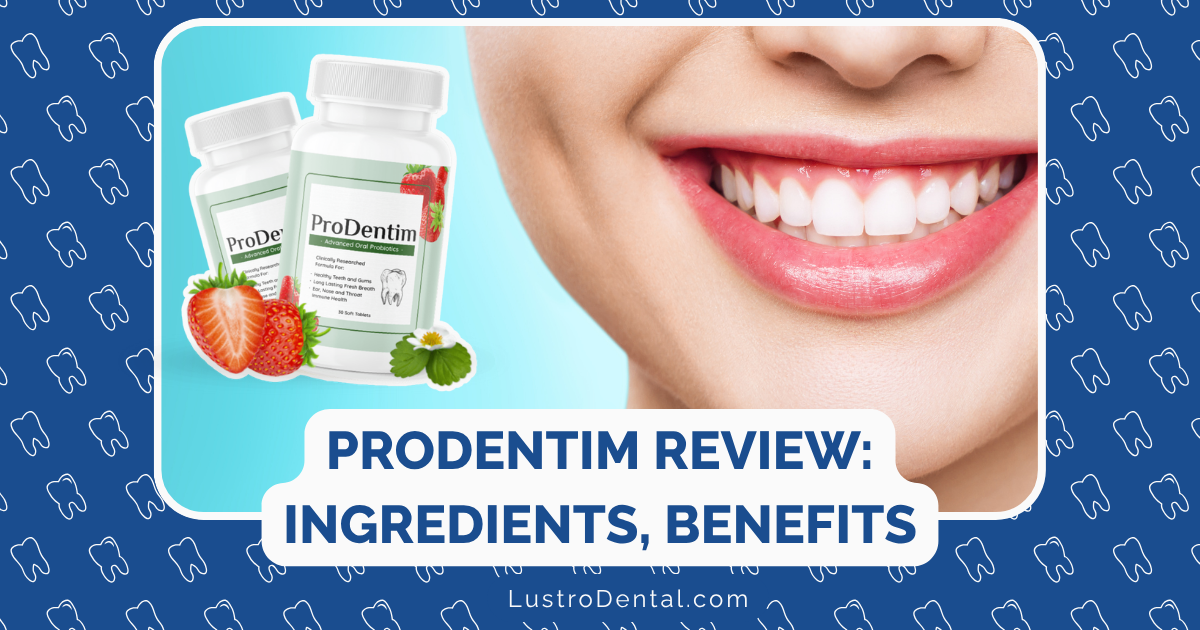
In addition to being mindful about dental materials, supporting your oral health naturally can reduce the need for extensive dental work and exposure to potential toxins. ProDentim offers a toxin-free approach to maintaining oral health through its innovative probiotic formula.
ProDentim stands out as a natural dental health supplement formulated without the harmful chemicals found in many conventional oral care products. Here’s how it supports a low-toxin approach to dental health:
By incorporating ProDentim into your daily routine, you’re taking a proactive step toward maintaining oral health while minimizing exposure to dental toxins.
Some individuals may be more vulnerable to dental toxins and should take extra precautions:
What to do:
Why it matters: Developing fetuses and infants are particularly vulnerable to toxins, which can cross the placenta or enter breast milk.
What to do:
Why it matters: Children’s developing systems may be more susceptible to the effects of toxins, and they have more years of potential exposure ahead of them.
What to do:
Why it matters: Individuals with compromised immune systems or heightened sensitivity may react more strongly to dental materials that others tolerate well.
Finding the right dental provider is crucial for reducing exposure to dental toxins:
Sarah, a 42-year-old patient with multiple chemical sensitivities, had struggled for years with unexplained health issues. After learning about potential dental toxins, she decided to take a proactive approach:
While Sarah’s case is individual and results vary, she reported significant improvements in her overall health and a reduction in her chronic symptoms. “I never realized how much my dental materials might be affecting my overall health,” Sarah shared. “Taking control of this aspect of my healthcare has been empowering.”
Reducing exposure to dental toxins doesn’t mean avoiding necessary dental care. Instead, it’s about making informed choices while maintaining excellent oral health:
By taking a thoughtful, evidence-based approach to dental toxins, you can make choices that support both your oral health and your overall wellbeing.
Have you taken steps to reduce your exposure to dental toxins? Share your experience in the comments below!
The scientific community remains divided on this question. Major health organizations like the FDA and ADA maintain that amalgam fillings are safe for most people, while acknowledging potential risks for certain vulnerable groups. Removing structurally sound amalgam fillings solely due to concerns about mercury may cause more harm than benefit due to the temporary increase in mercury vapor during removal and potential damage to tooth structure. This decision should be made on an individual basis in consultation with healthcare providers.
Most modern composite fillings are considered safe, but some may contain trace amounts of BPA or related compounds. Ask specifically for BPA-free options, which are increasingly available. The good news is that even with traditional composites, BPA exposure typically decreases significantly within a few days after placement.
Your dental records should contain information about materials used in your treatment. Request a copy of your complete dental records, which should include this information. If records are incomplete, a biological dentist can often help identify existing materials.
Coverage varies widely between insurance plans. Many will cover composite fillings for front teeth but may only cover amalgam for back teeth. Some plans now offer coverage for ceramic restorations. Check with your insurance provider and consider discussing coding strategies with your dental office.