🦷 General Care
✨ Treatments
👶 Family Care
💚 Wellness
💡 Resources

🦷 General Care
✨ Treatments
👶 Family Care
💚 Wellness
💡 Resources

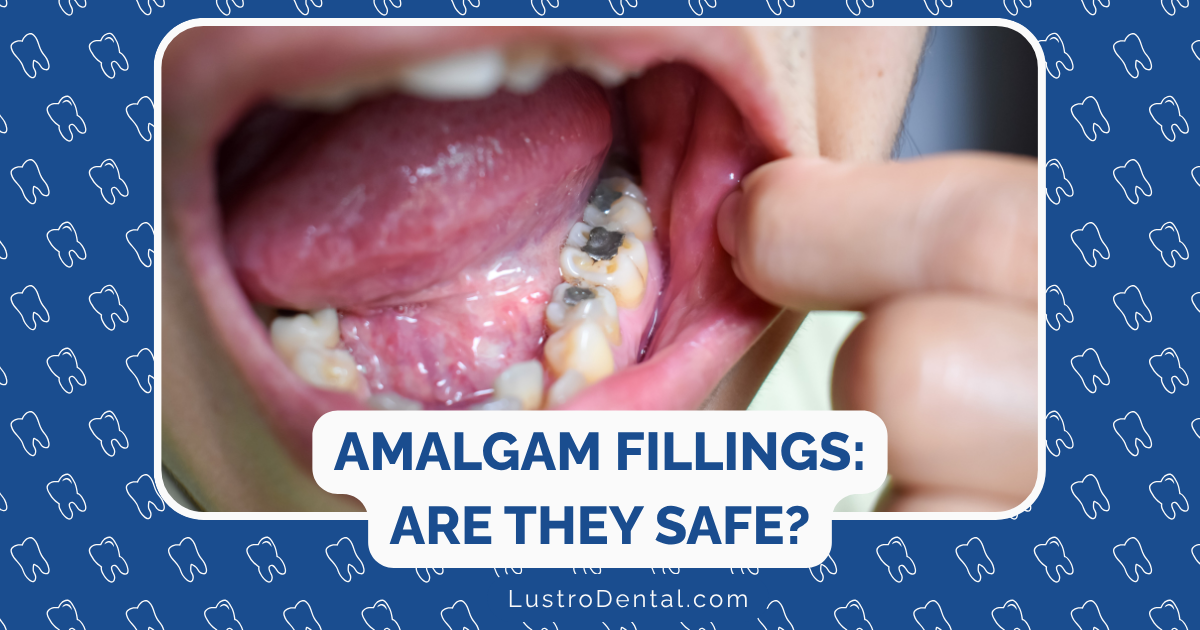
Few dental topics generate as much controversy as the safety of amalgam fillings. These silver-colored fillings, which have been used for over 150 years, contain mercury—a fact that has sparked ongoing debates among patients, dental professionals, and regulatory bodies worldwide.
The landscape around amalgam fillings has changed dramatically in recent years, with the European Union implementing a complete ban starting January 2025 while the U.S. Food and Drug Administration (FDA) has updated its guidance but stopped short of a ban. This divergence in approach has left many patients wondering: Are my amalgam fillings still safe in 2026?
As someone dedicated to preventive dental care and patient education, I believe it’s essential to address this question with a balanced, evidence-based approach that acknowledges both the established science and emerging concerns. Let’s explore what we currently know about amalgam fillings, their safety profile, and what options exist for those who may be concerned.
Before diving into safety considerations, let’s clarify exactly what amalgam fillings are:
Composition: Dental amalgam is a mixture consisting of approximately 50% elemental mercury and 50% powdered alloy of silver, tin, and copper. The chemical reaction between these components creates a strong, durable filling material.
History: Amalgam has been used in dentistry since the 1800s and has filled hundreds of millions of cavities worldwide.
Properties: Amalgam fillings are known for their exceptional durability (often lasting 10-15 years or more), strength (ideal for withstanding chewing forces in back teeth), and cost-effectiveness compared to alternative materials.
Dr. Robert Thompson, professor of restorative dentistry at University of California San Francisco, explains: “Amalgam has been the workhorse of restorative dentistry for generations because of its clinical performance, ease of use, and affordability. No other direct filling material has such a long track record of documented success.”
The primary safety concern with amalgam fillings centers on mercury, which is known to be toxic in certain forms and at certain levels of exposure. Here’s what research tells us about mercury in dental amalgam:
Amalgam fillings can release small amounts of mercury vapor, particularly during placement, removal, and to a lesser extent, during normal activities like chewing. This vapor can be inhaled and absorbed into the bloodstream.
According to research published in the Journal of Occupational Medicine and Toxicology, the estimated daily absorption of mercury from amalgam fillings ranges from approximately 1 to 5 micrograms per day for most people, depending on the number of fillings, their size, and individual factors like chewing habits and bruxism (teeth grinding).
For context, the U.S. Environmental Protection Agency (EPA) has established a reference concentration for chronic inhalation of mercury vapor at 0.3 micrograms per cubic meter of air, which translates to about 4-5 micrograms per day for an average adult.
Multiple large-scale scientific studies have examined potential health effects of amalgam fillings:
Dr. Lisa Johnson, toxicologist at the American Dental Association, notes: “While we can detect very small amounts of mercury in people with amalgam fillings, these levels are typically well below established safety thresholds, and large-scale epidemiological studies have not found consistent evidence of adverse health effects in the general population.”
The regulatory landscape for amalgam fillings has evolved significantly in recent years:
The European Parliament voted in April 2024 to ban dental amalgam completely, with the ban taking effect on January 1, 2025. This ban prohibits the manufacture, import, export, and use of dental amalgam in all EU member states. The decision was primarily driven by environmental concerns about mercury pollution rather than direct patient safety issues.
In September 2020, the FDA updated its recommendations on dental amalgam, maintaining that it remains safe for most individuals but advising against its use in certain high-risk groups:
The FDA noted that these recommendations were made out of an abundance of caution rather than based on definitive new evidence of harm.
The American Dental Association (ADA) continues to support amalgam as a safe, effective, and durable material for dental restorations. In response to the FDA’s 2020 update, the ADA reaffirmed that “dental amalgam is a durable, safe and effective cavity-filling option” while acknowledging that dentists should discuss all available options with their patients.
The International Association for Dental Research (IADR) similarly affirms the safety of dental amalgam for the general population without allergies to amalgam components or severe renal diseases.
While most large-scale studies have not found significant health risks from amalgam fillings for the general population, some recent research has raised questions that merit attention:
A 2024 study published in Human and Experimental Toxicology analyzed data from the National Health and Nutrition Examination Survey (NHANES) and found that approximately 30% of pregnant women with amalgam fillings had daily mercury vapor doses exceeding safety limits set by the California Environmental Protection Agency.
Another study from 2022 examining NHANES data found that approximately 16 million (10.4%) American adults exceeded the U.S. EPA safety limit for mercury vapor exposure from dental amalgams.
Some recent studies have suggested possible associations between dental amalgam and certain health conditions:
It’s important to note that these studies show associations rather than causation and often have methodological limitations. They do, however, contribute to the ongoing scientific discussion about amalgam safety.
For those concerned about amalgam or affected by the EU ban, several alternative filling materials are available:
Composition: Mixture of plastic (acrylic) resin and powdered glass filler
Pros:
Cons:
Composition: Acrylic acid and glass powder that releases fluoride
Pros:
Cons:
Composition: Porcelain or other ceramic materials
Pros:
Cons:
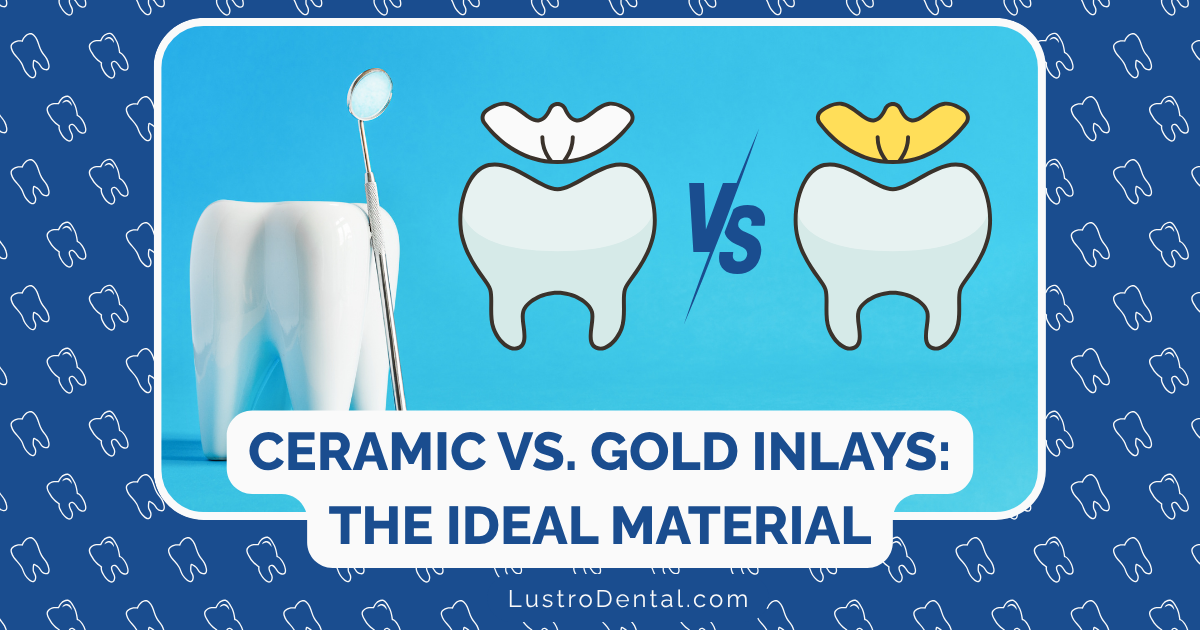
Composition: Gold alloy (usually with copper and other metals)
Pros:
Cons:
If you already have amalgam fillings, the consensus among major dental organizations and regulatory bodies is that removing sound amalgam fillings is not recommended unless medically necessary. The process of removing amalgam fillings can temporarily increase mercury exposure if proper protocols are not followed.
Dr. James Wilson, director of the American College of Prosthodontists, advises: “The removal of intact amalgam fillings solely due to concerns about mercury exposure is not supported by scientific evidence and may pose unnecessary risks. Any decision to replace fillings should be based on clinical need rather than unfounded fears.”
If you’re concerned about your amalgam fillings, consider these evidence-based recommendations:
If you fall into one of the high-risk categories identified by the FDA, it’s particularly important to discuss alternatives to amalgam with your dentist for any new fillings. These groups include:
For these groups, the potential risks, while not definitively established, may outweigh the benefits of amalgam fillings when alternatives are available.
Beyond patient safety, environmental concerns have been a significant driver of amalgam regulations. Dental offices are a source of mercury in wastewater, and improper disposal of amalgam waste can contribute to environmental mercury pollution.
The Minamata Convention on Mercury, an international treaty aimed at protecting human health and the environment from mercury, has been ratified by over 100 countries and includes provisions to phase down the use of dental amalgam.
Modern dental practices typically use amalgam separators that capture approximately 95% of amalgam waste, significantly reducing environmental impact. However, the cumulative effect of dental mercury globally remains a concern.
The safety of amalgam fillings in 2026 is not a black-and-white issue. While substantial scientific evidence supports the safety of amalgam for most individuals, regulatory approaches are evolving, and research continues to examine potential risks for specific populations.
Here’s a balanced perspective to consider:
Dr. Sarah Chen, public health dentist at Harvard School of Dental Medicine, summarizes it well: “Dental care decisions should be individualized, taking into account the best available scientific evidence, patient preferences, and clinical judgment. While amalgam has served dentistry well for generations, we now have more options than ever before, allowing for truly personalized care.”
As we navigate the evolving landscape of dental materials in 2026 and beyond, staying informed and maintaining open communication with your dental provider remains the best approach to ensuring both your oral health and overall wellbeing.
Do you have amalgam fillings? Are you concerned about their safety? Share your thoughts and questions in the comments below!