🦷 General Care
✨ Treatments
👶 Family Care
💚 Wellness
💡 Resources

🦷 General Care
✨ Treatments
👶 Family Care
💚 Wellness
💡 Resources

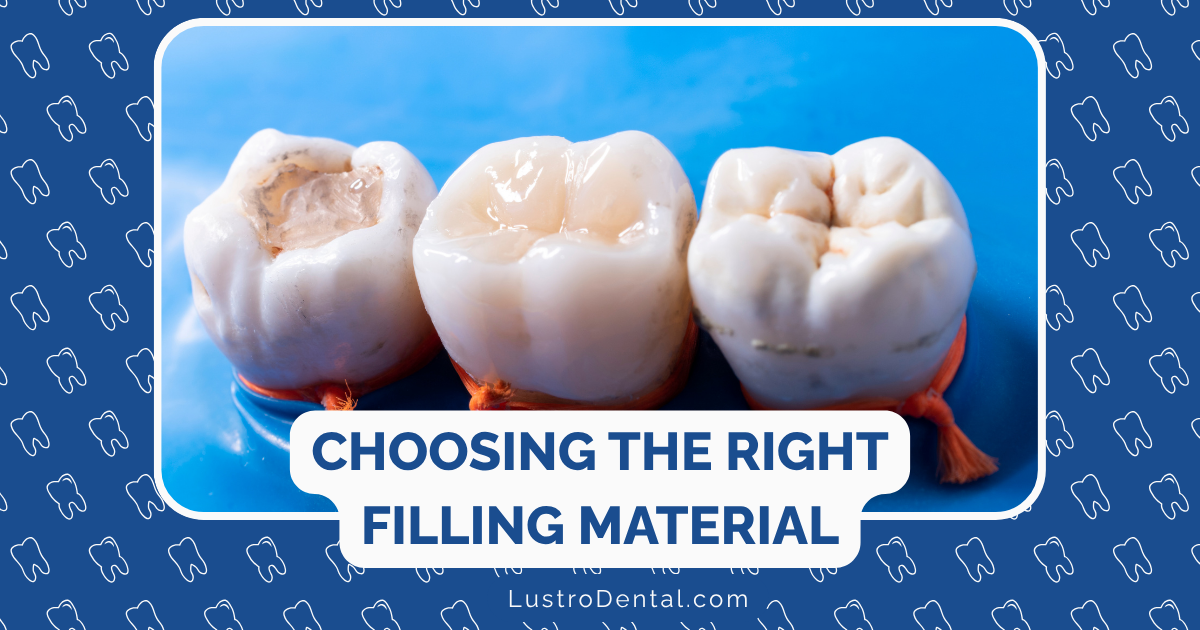
When your dentist utters those dreaded words—”You have a cavity”—the next question is often just as important as the diagnosis itself: “What kind of filling should we use?” In 2026, this question has become more complex than ever, with an expanding array of materials offering different benefits for different situations.
Gone are the days when silver amalgam was the default option for most cavities. Today’s dental filling landscape features everything from traditional materials that have stood the test of time to cutting-edge “smart” materials that actively work to heal your teeth.
As someone passionate about preventive dental care, I believe that understanding your filling options is crucial for making informed decisions about your oral health. The right choice depends on numerous factors unique to your situation—from the location and size of your cavity to your budget, aesthetic preferences, and even your overall health profile.
Let’s explore the comprehensive range of filling materials available in 2026, their pros and cons, and most importantly, which option might be best for your specific needs.
Despite the emergence of advanced materials, several traditional options remain widely used due to their proven track records and specific advantages.
Composition: A mixture of metals including silver, tin, copper, and mercury
Pros:
Cons:
Best for: Posterior teeth (molars) where chewing forces are greatest and aesthetics are less important, especially for patients on a budget or those who need a durable solution for large cavities.
Dr. Michael Chen, prosthodontist at University of California San Francisco, notes: “While newer materials get more attention, amalgam remains a reliable, cost-effective option for many patients, particularly for large restorations in areas not visible when smiling.”
Composition: A mixture of plastic (acrylic) resin and powdered glass filler
Pros:
Cons:
Best for: Front teeth and visible areas where aesthetics matter; small to medium-sized cavities; patients concerned about mercury in amalgam.
Composition: Gold alloy (usually with copper and other metals)
Pros:
Cons:
Best for: Patients willing to invest in long-term solutions; posterior teeth with significant damage; those with metal allergies (except gold).
Composition: Porcelain or other ceramic materials
Pros:
Cons:
Best for: Visible teeth requiring larger restorations; patients prioritizing aesthetics and willing to pay premium prices; those with metal allergies.
Composition: Acrylic and glass powder that releases fluoride
Pros:
Cons:
Best for: Children’s teeth (especially primary teeth); root surface cavities; areas not subject to heavy chewing forces; patients at high risk for decay.
The most exciting developments in dental fillings involve materials that do more than just fill a space—they actively interact with your teeth and oral environment.
Composition: Resin-based materials containing bioactive glass or calcium phosphate compounds
Pros:
Cons:
Best for: Patients at high risk for recurrent decay; deep cavities close to the pulp; those wanting both aesthetics and therapeutic benefits.
A 2024 clinical study published in the Journal of Dental Research found that bioactive fillings reduced the incidence of secondary decay by 38% compared to traditional composites over a five-year period.
Composition: Resin with nano-sized filler particles (20-75 nanometers)
Pros:
Cons:
Best for: Patients seeking a balance of aesthetics and durability; moderate to large cavities in visible areas; those willing to pay more for improved performance.
Composition: Polymer matrices with embedded microcapsules containing healing agents
Pros:
Cons:
Best for: Patients willing to invest in cutting-edge technology; those with a history of filling failures; individuals seeking to minimize future dental work.
Dr. Lisa Johnson, dental materials researcher at Boston University Dental School, explains: “Self-healing materials represent the future of restorative dentistry. While still emerging, these materials show tremendous promise for extending the lifespan of restorations and reducing the cycle of replacement that many patients experience.”
Composition: Specialized resins designed for 3D printing
Pros:
Cons:
Best for: Complex cavity shapes; patients valuing precision; those seeking reduced chairtime; practices equipped with digital dentistry technology.
With so many options available, how do you determine which filling material is best for your specific situation? Consider these factors:
Front teeth (incisors and canines):
Premolars (visible when smiling):
Molars (back teeth):
Small cavities:
Medium cavities:
Large cavities:
Near the gumline:
High-risk patients (frequent cavities, dry mouth, poor oral hygiene):
Average-risk patients:
Low-risk patients (rare cavities, excellent oral hygiene):
Budget-conscious options:
Mid-range options:
Premium options:
Metal allergies or sensitivities:
Pregnant or nursing patients:
Environmental concerns:
Bruxism (teeth grinding):
Looking beyond 2026, several exciting developments are in the research pipeline:
Dr. Robert Thompson, dental materials scientist at National Institute of Dental and Craniofacial Research, predicts: “Within the next decade, we’ll likely see fillings that not only restore teeth but actively participate in maintaining oral health through controlled release of therapeutic agents and real-time monitoring capabilities.”
The ideal filling material for your situation should be determined through a thoughtful discussion with your dentist, considering:
Remember that different materials may be appropriate for different teeth in your mouth. Many patients opt for composite or ceramic for visible teeth and more durable options like amalgam for back teeth.
The best dental filling material in 2026 isn’t a one-size-fits-all solution—it’s the one that best addresses your specific needs, preferences, and oral health situation. By understanding the full spectrum of options available and having an informed conversation with your dentist, you can make choices that support both the immediate restoration of your tooth and your long-term oral health.
Whether you prioritize longevity, aesthetics, bioactivity, or cost, today’s dental filling materials offer more possibilities than ever before to create a restoration that feels right for you. After all, the best filling is one that you can forget is even there—allowing you to smile, eat, and live confidently for years to come.
Have you had experience with different types of dental fillings? Which factors are most important to you when choosing a filling material? Share your thoughts and questions in the comments below!