Ceramic vs. Gold Inlays: Pros and Cons for Different Situations
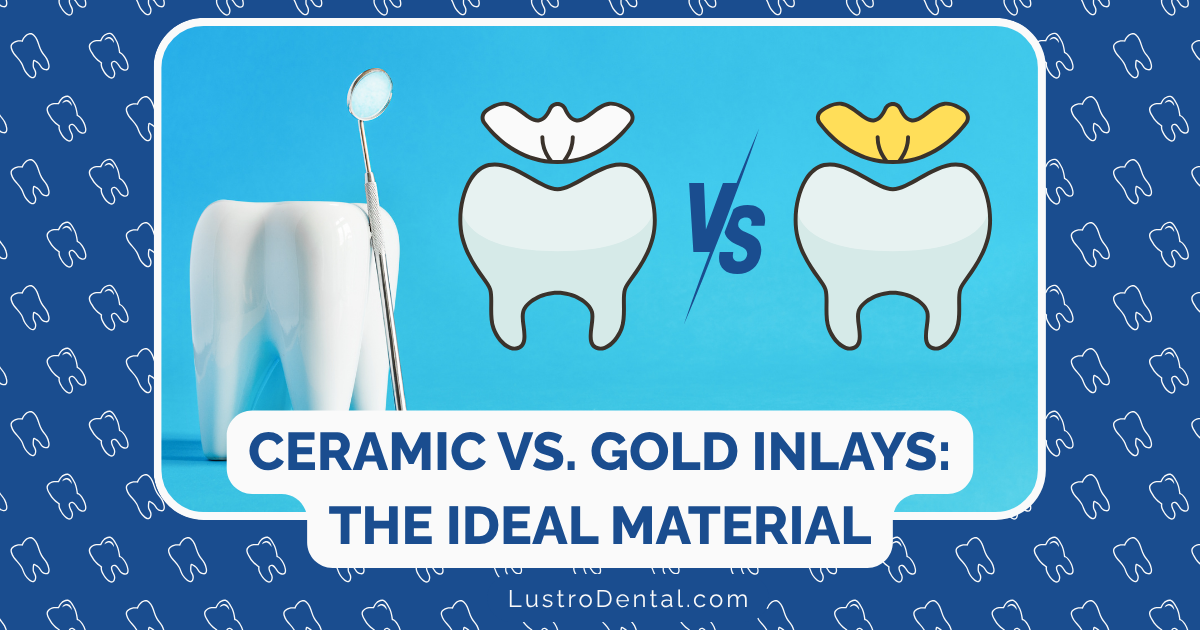
When it comes to dental inlays, the age-old debate between ceramic and gold continues to challenge both patients and dentists. Each material offers distinct advantages and limitations that make them better suited for different clinical situations. As someone who’s guided countless patients through this decision, I can tell you that there’s rarely a one-size-fits-all answer—the “best” choice depends on your specific needs, priorities, and the location of the restoration.
In this comprehensive guide, we’ll explore how ceramic and gold inlays compare across the factors that matter most: durability, aesthetics, cost, biocompatibility, and clinical performance. By understanding these differences, you’ll be better equipped to make an informed decision with your dentist about which material is right for your situation.
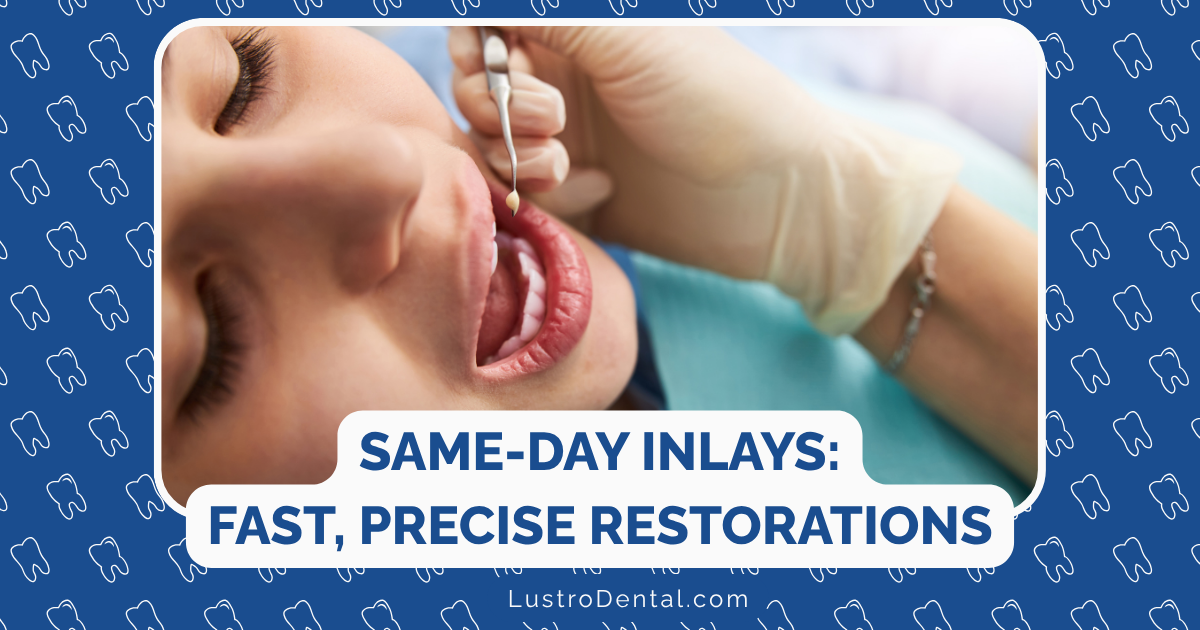
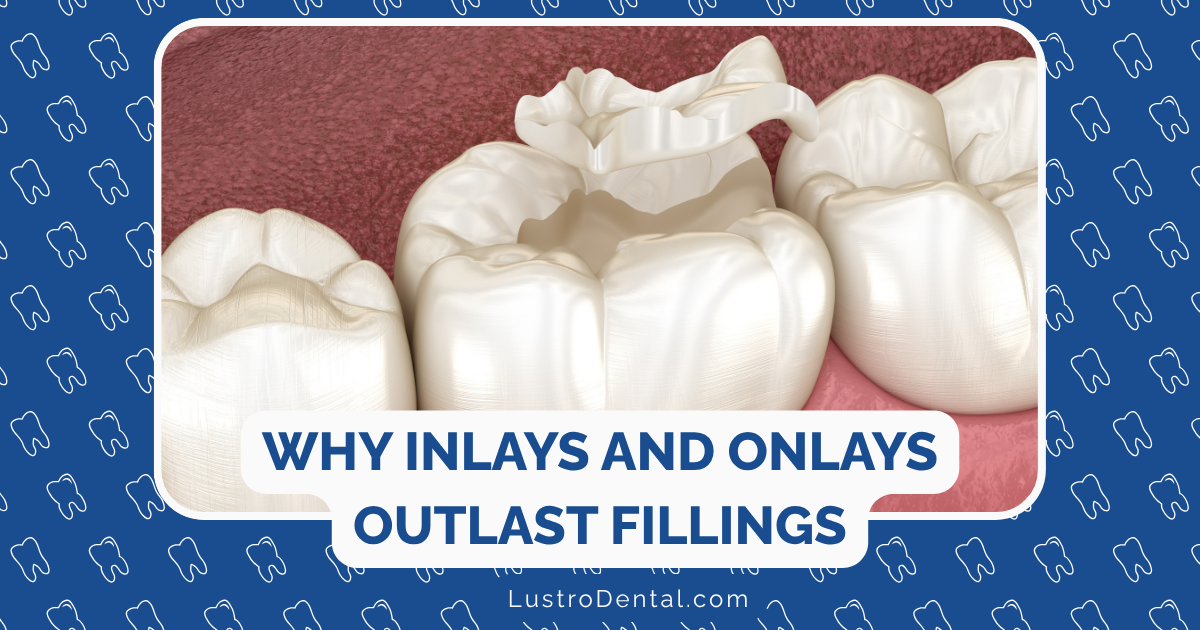
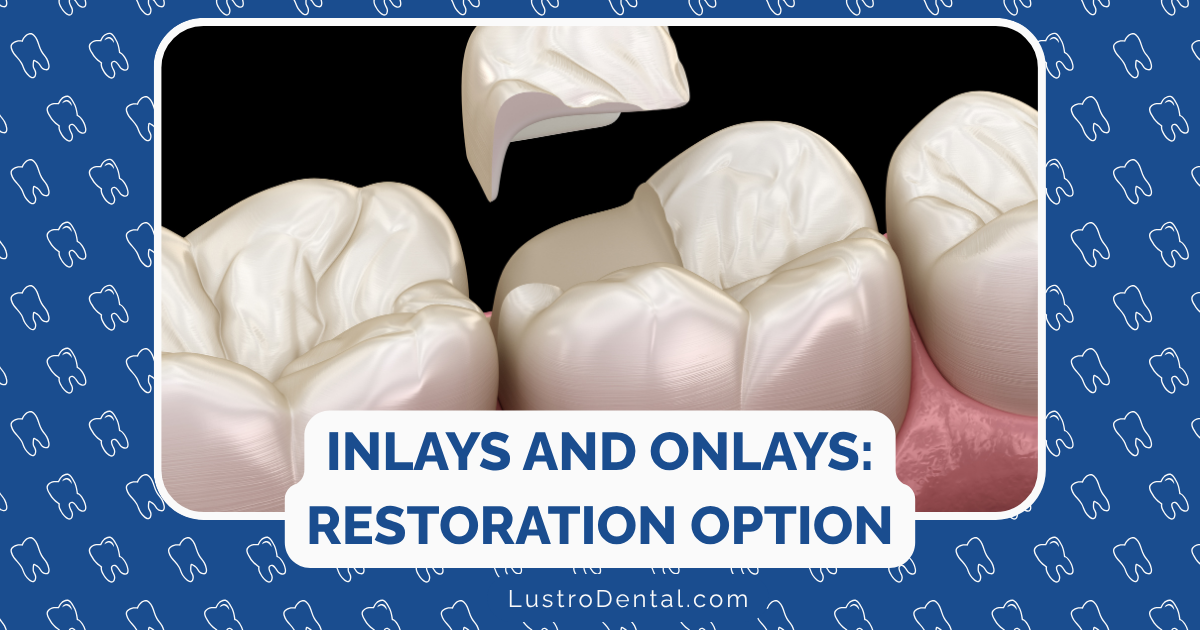
Before diving into the comparison, let’s quickly review what dental inlays are. Inlays are custom-made restorations that fit precisely within the contours of a prepared tooth, typically used when damage is too extensive for a filling but not severe enough to require a crown. They’re crafted in a dental laboratory or with CAD/CAM technology and then bonded to the tooth during a separate appointment (or same-day with CAD/CAM systems).
Now, let’s examine how ceramic and gold inlays stack up against each other.
Durability and Longevity: The Test of Time
Perhaps the most significant consideration for many patients is how long their dental restoration will last. Here’s how ceramic and gold inlays compare:
Gold Inlays: The Durability Champion
Gold has earned its reputation as the gold standard for longevity in dental restorations:
Superior strength: Gold can withstand significant chewing forces without fracturing
Remarkable longevity: According to research published in the Journal of Prosthetic Dentistry, gold inlays have demonstrated survival rates of 73.5% after 30 years and 94.1% after over 40 years
Minimal wear over time: Gold maintains its marginal integrity exceptionally well, with minimal deterioration at the edges
Dr. Sarah Johnson, a prosthodontist at the American College of Prosthodontists, notes: “In my 25 years of practice, I’ve seen gold inlays placed by my predecessors that are still functioning perfectly after 40+ years. Few other dental materials can match this track record.”
Ceramic Inlays: Strong but Not Indestructible
Modern ceramic materials have improved dramatically but still have some limitations compared to gold:
Good overall strength: High-quality ceramics like lithium disilicate offer excellent durability for most situations
Potential for fracture: Ceramics are more brittle than gold and can chip or fracture under extreme forces
Respectable longevity: Research indicates 10-15 year survival rates of 90-93% for ceramic inlays
Material matters: Newer ceramic formulations like zirconia-reinforced ceramics show improved strength profiles
A 2023 systematic review in the International Journal of Prosthodontics found that ceramic inlays had a cumulative success rate of 92.1% after a mean service time of 14.5 years—impressive, though still not quite matching gold’s exceptional longevity.
Aesthetics: When Appearance Matters
For many patients, the visible appearance of their dental work is a primary concern:
Ceramic Inlays: The Clear Aesthetic Winner
Ceramic materials excel in creating natural-looking restorations:
Color matching: Can be precisely matched to your natural tooth color
Translucency: Mimics the light-transmitting properties of natural enamel
Stain resistance: High-quality ceramics resist staining from food, beverages, and tobacco
Natural appearance: Virtually indistinguishable from natural tooth structure
“For restorations in visible areas of the mouth, ceramic inlays provide an aesthetic result that’s simply unmatched by any metal alternative,” explains Dr. Michael Chen of the American Academy of Cosmetic Dentistry. “Patients can smile with confidence knowing no one will notice their dental work.”
Gold Inlays: Distinctive and Unmistakable
Gold makes no attempt to blend in with natural tooth structure:
Distinctive appearance: The yellow-gold color is immediately noticeable
Potential status symbol: Some patients appreciate the distinctive look of gold restorations
Cultural significance: In some cultures, gold dental work carries positive associations
Not tooth-colored: Unsuitable for patients seeking a natural appearance
While some patients embrace the distinctive look of gold restorations, many prefer the more discreet appearance of tooth-colored materials, especially for front teeth or visible areas when smiling.
Cost Considerations: Initial Investment vs. Long-Term Value
The financial aspect of dental restorations involves both initial costs and long-term value:
Gold Inlays: Higher Initial Cost, Excellent Value
Gold typically represents a larger upfront investment:
Higher material cost: Gold is a precious metal with significant intrinsic value
Laboratory expenses: Requires specialized equipment and expertise
Price range: Typically $1,000-$1,500 per tooth (as of 2025)
Exceptional long-term value: May never need replacement, making them cost-effective over decades
Ceramic Inlays: Moderate Cost, Good Value
Ceramic options usually fall in the middle of the price spectrum:
Moderate material cost: Less expensive than gold but more than composite
Laboratory or CAD/CAM expenses: Requires either lab fabrication or investment in digital technology
Price range: Typically $800-$1,200 per tooth (as of 2025)
Good long-term value: May need replacement after 10-15 years, affecting lifetime cost
Dr. Lisa Rodriguez, a dental economist at Dental Economics Institute, provides perspective: “When calculating the true cost of a dental restoration, we need to consider not just the initial price tag but the number of replacements needed over a lifetime. A gold inlay might cost more upfront but could save money by avoiding multiple replacements.”
Biocompatibility and Tissue Response: How Your Body Reacts
Modern ceramics also demonstrate excellent biological properties:
Metal-free option: Ideal for patients with metal sensitivities
Good tissue response: Gum tissues generally remain healthy adjacent to ceramics
Smooth, polished surface: Resists plaque accumulation when properly finished
Chemical stability: Minimal risk of material breakdown or leaching
According to research published in the Journal of Dental Research, both gold and high-quality dental ceramics demonstrate excellent biocompatibility, with gold showing slightly superior long-term tissue response in some studies.
Clinical Situations: Choosing the Right Material for Each Case
The location and specific demands of each restoration often dictate which material is most appropriate:
When Gold Inlays Excel:
Posterior teeth with heavy chewing forces Gold’s exceptional wear resistance and strength make it ideal for molars that endure significant pressure.
Non-visible restorations When aesthetics aren’t a primary concern, gold’s superior durability makes it an excellent choice.
Patients with a history of broken restorations For those who have fractured other materials, gold’s resilience offers a reliable alternative.
Patients with bruxism (teeth grinding) Gold’s ability to withstand extreme forces makes it suitable for patients who grind or clench their teeth.
Opposing gold restorations When the opposing tooth also has a gold restoration, using matching materials prevents uneven wear.
When Ceramic Inlays Shine:
Visible teeth (premolars and anterior teeth) Ceramic’s natural appearance makes it the clear choice for restorations that show when smiling.
Patients prioritizing aesthetics For those who value a natural look above all else, ceramics offer superior cosmetic results.
Metal allergies or sensitivities Patients with confirmed or suspected metal allergies benefit from metal-free ceramic options.
Moderate chewing forces In areas with moderate functional demands, modern ceramics provide sufficient strength.
Adjacent ceramic restorations For a consistent appearance when multiple restorations are visible together.
Technical Considerations: Preparation and Placement
The process of preparing teeth and placing inlays differs between materials:
Gold Inlays:
Conservative preparation: Require less tooth removal than ceramic options
Less technique-sensitive: More forgiving margins and cementation process
Conventional cementation: Often placed with traditional dental cements
Adjustable: Can be burnished and adjusted after placement
Ceramic Inlays:
More tooth reduction: Generally require more tooth structure removal
Technique-sensitive: Demand precise preparation and bonding protocols
Adhesive bonding required: Need specialized bonding agents and techniques
Limited adjustability: Cannot be significantly modified after fabrication
Dr. James Wilson of the American Academy of Restorative Dentistry explains: “Gold inlays are often more forgiving from a technical standpoint. The material can be slightly adjusted at the margins, and the cementation process is less technique-sensitive. Ceramic inlays demand absolute precision at every step.”
Comparing Failure Modes: How They Eventually Fail
Understanding how different materials typically fail can help inform your decision:
Common Gold Inlay Failures:
Secondary caries (recurrent decay): The most common cause of failure
Tooth fracture: Particularly in teeth with extensive previous restorations
Decementation: The inlay becomes loose from the tooth
A 2023 study in the Journal of Dentistry found that endodontic complications were more prevalent in gold restorations (8.8%) compared to ceramic restorations (2.7%), while ceramic fracture was unique to ceramic inlays (6.7%).
Making Your Decision: A Practical Approach
When deciding between ceramic and gold inlays, consider these practical factors:
Questions to Discuss with Your Dentist:
Location: Is the restoration visible when you smile or speak?
Functional demands: How much chewing force will the restoration need to withstand?
Opposing teeth: What material is on the opposing tooth that will contact the restoration?
History: Have you fractured or worn through previous restorations?
Longevity goals: How long do you expect/need the restoration to last?
Budget: What is your initial budget vs. long-term cost considerations?
Personal preferences: How important are aesthetics vs. durability to you personally?
The Hybrid Approach: Best of Both Worlds?
Some situations might call for a combined approach:
Gold for molars, ceramic for premolars: Using each material where its strengths are most valuable
Gold occlusal (biting) surface with ceramic facial aspect: Combines durability with aesthetics
Different materials for upper and lower teeth: Gold where it’s less visible, ceramic where appearance matters
Dr. Jennifer Martinez of the International Academy of Ceramic Dentistry suggests: “The ideal approach is often to match the material to the specific demands of each tooth rather than applying a one-material-fits-all philosophy. This personalized approach optimizes both function and aesthetics.”
Conclusion: Making an Informed Choice
The ceramic vs. gold inlay debate doesn’t have a universal winner—each material offers distinct advantages that make it better suited for specific situations. Gold remains unmatched for durability and longevity, particularly in high-stress areas, while ceramic provides superior aesthetics for visible restorations.
Your best choice depends on your individual priorities, the location of the restoration, functional demands, and personal preferences. By understanding the pros and cons of each material and having an informed discussion with your dentist, you can select the option that will provide the best combination of durability, aesthetics, and value for your unique situation.
Remember that dental materials continue to evolve, with ceramic options improving in strength and gold remaining the benchmark for longevity. Whichever material you choose, proper oral hygiene and regular dental check-ups will help ensure the longest possible lifespan for your restoration.