🦷 General Care
✨ Treatments
👶 Family Care
💚 Wellness
💡 Resources

🦷 General Care
✨ Treatments
👶 Family Care
💚 Wellness
💡 Resources

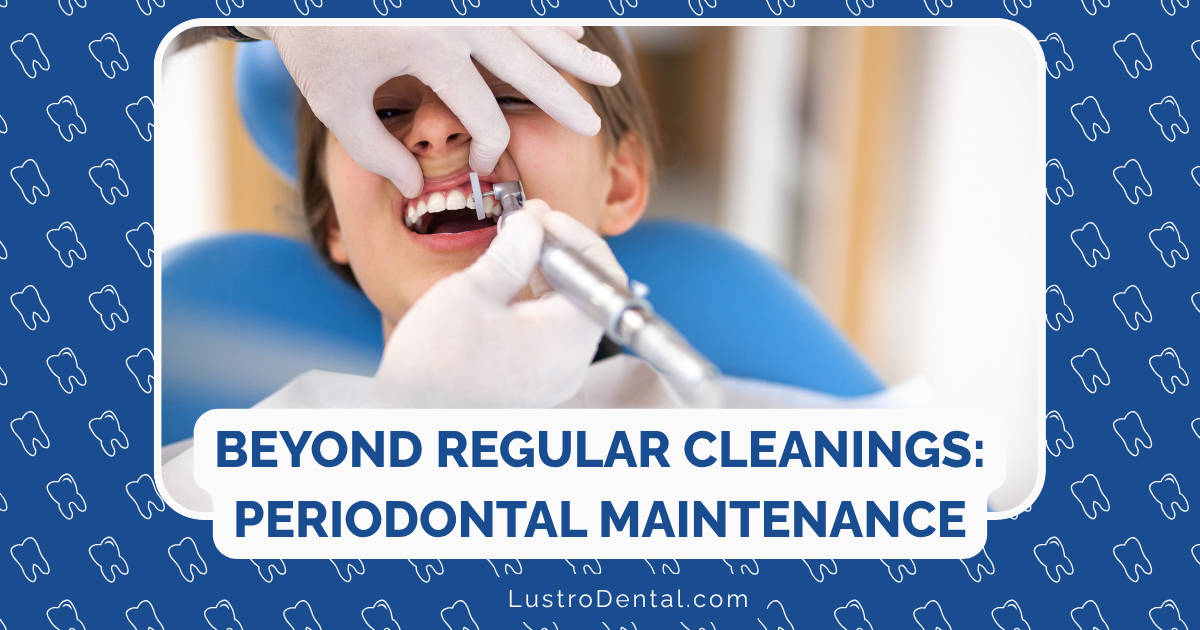
If you’ve recently completed treatment for gum disease, congratulations on taking that important step toward better oral health! Whether you underwent scaling and root planing (deep cleaning), laser therapy, or even surgical intervention, you’ve made a significant investment in your smile and overall wellbeing.
But here’s something your dental team may have mentioned that bears repeating: your journey with gum health isn’t over. In fact, it’s just entered a new phase—one that requires a different approach to maintenance than what worked before your diagnosis.
Many patients ask me, “Now that my gum disease is treated, can I just go back to regular six-month cleanings?” It’s a reasonable question, but the answer is a clear and evidence-based “no.” Let me explain why periodontal maintenance—not standard cleanings—is essential after gum disease treatment, and how this specialized care protects your oral health investment for years to come.
First, it’s important to understand a fundamental truth about periodontal disease: it’s a chronic condition that can be controlled but not permanently cured. Dr. Joan Otomo-Corgel, former president of the American Academy of Periodontology, explains it well: “Periodontal disease is similar to other chronic conditions like diabetes or cardiovascular disease—it can have active and inactive phases, and requires ongoing management to prevent recurrence and progression.”
This chronic nature stems from several factors:
The primary cause of gum disease is bacterial infection. Even after the most thorough treatment, some bacteria remain in the periodontal environment. Research shows that harmful bacteria can recolonize in treated areas in as little as 8-12 weeks after therapy. Without regular disruption of this bacterial regrowth, inflammation and infection can return.
A 2023 study published in the Journal of Clinical Periodontology found that periodontal pathogens can become dominant in just three to 12 weeks if biofilm is not adequately disrupted—well before the standard six-month cleaning interval.
One of the hallmarks of gum disease is the formation of periodontal pockets—spaces between your teeth and gums where bacteria can hide and multiply. Even after successful treatment, these pockets may remain deeper than the 1-3mm found in healthy gums.
Standard dental cleanings primarily address areas above or just slightly below the gumline, while periodontal maintenance specifically targets these deeper pockets where bacteria are most likely to reestablish their colonies.
If you’ve had gum disease once, you have a higher risk of recurrence. This increased susceptibility may be due to:
This doesn’t mean you’re destined to lose your teeth—far from it! It simply means you need a more proactive maintenance approach tailored to your specific risk profile.
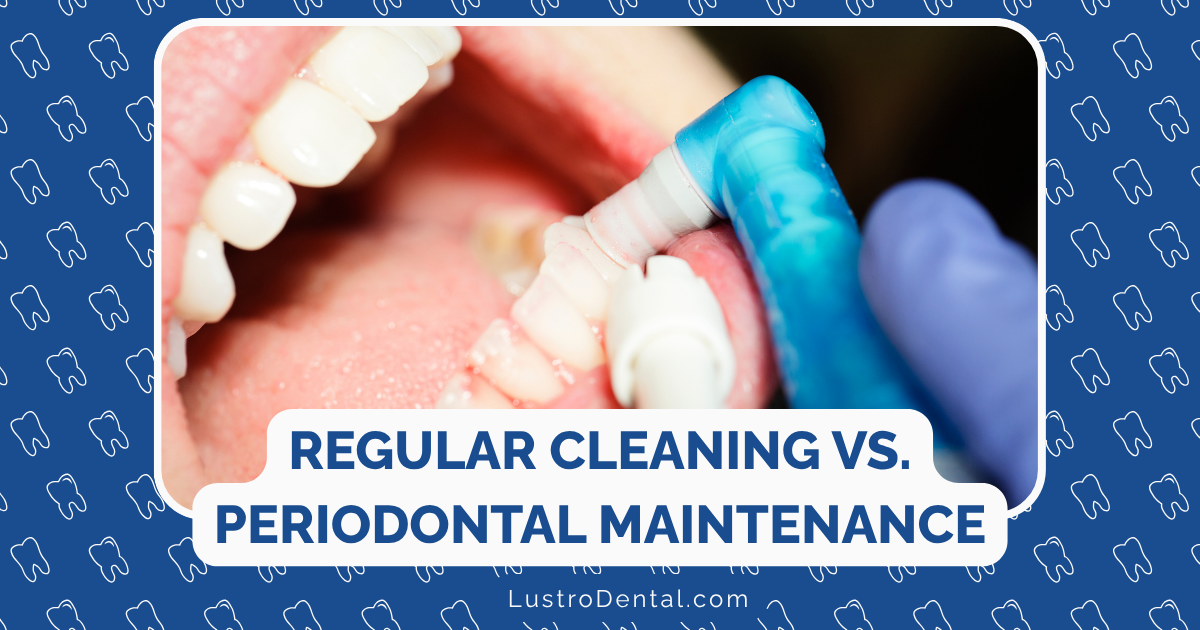
To appreciate why regular cleanings aren’t sufficient after gum disease treatment, let’s clarify the differences between standard prophylaxis (regular cleaning) and periodontal maintenance:
Dr. Michael Wilson, periodontist at Mayo Clinic, notes: “The difference isn’t just in technique—it’s in the entire approach. Periodontal maintenance is an active disease management strategy, not simply a cleaning.”
You might wonder why the recommended interval for periodontal maintenance is typically 3-4 months rather than the standard 6 months for regular cleanings. This timeframe isn’t arbitrary—it’s based on scientific understanding of bacterial recolonization and disease progression.
Studies on the regrowth of periodontal bacteria after treatment show that:
A landmark study published in the Journal of Periodontology found that patients who received periodontal maintenance every 3 months had significantly better outcomes than those seen every 6 months, including:
This research provides the scientific foundation for the 3-4 month recall interval that most periodontists and dentists recommend.
What happens if you opt for standard cleanings instead of periodontal maintenance after gum disease treatment? Unfortunately, the consequences can be serious and costly:
Without proper maintenance, periodontal disease often returns, sometimes more aggressively than before. Research indicates that patients who do not adhere to recommended periodontal maintenance protocols experience:
The time, discomfort, and financial resources you invested in your initial periodontal treatment can be compromised without proper follow-up care. It’s like renovating a house but skipping routine maintenance—eventually, the problems return, often requiring more extensive and expensive repairs.
The connection between periodontal disease and systemic health is well-established. Ongoing periodontal inflammation has been linked to:
By maintaining periodontal health, you’re potentially protecting more than just your smile—you’re supporting your overall wellbeing.
Periodontal maintenance appointments are more comprehensive than standard cleanings. A typical visit includes:
While the need for more frequent dental visits might seem daunting, there are ways to make periodontal maintenance more manageable:
Many dental insurance plans cover periodontal maintenance differently than regular cleanings. Typically, they recognize the medical necessity of this treatment and provide coverage, though often with different copays or frequency limitations. Talk to your dental office’s insurance coordinator to understand your benefits.
While periodontal maintenance may seem more expensive in the short term, it’s far more cost-effective than dealing with recurrent disease, additional treatments, or tooth replacement. Prevention is almost always less expensive than treatment.
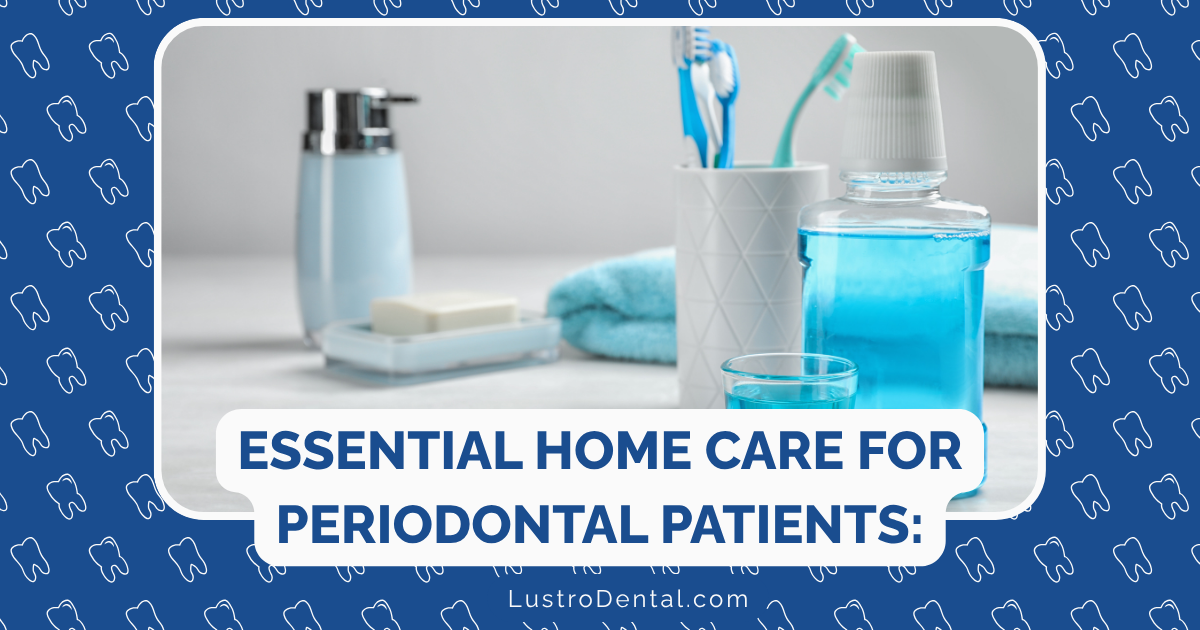
The better your daily oral hygiene, the more successful your periodontal maintenance will be. Invest in the tools and techniques recommended by your dental team, which might include:
Work with your dental team and physician to manage conditions that affect your periodontal health:
The effectiveness of periodontal maintenance is something I witness regularly in my practice. Consider these real-life examples (with names changed for privacy):
“After my initial treatment for advanced periodontitis, I was skeptical about needing cleanings every 3 months. But after missing one appointment and seeing how quickly inflammation returned, I became a believer. Five years later, I’ve maintained stable pocket depths and haven’t needed any additional invasive treatments.” — Robert, 58
“I tried alternating between my periodontist and regular dentist every 3 months to save money, but my condition worsened. Once I committed to proper periodontal maintenance, my gums stabilized, and the persistent bad breath I’d been experiencing finally resolved.” — Sarah, 42
These stories reflect what research consistently shows: adherence to recommended periodontal maintenance protocols significantly improves long-term outcomes.
Periodontal disease treatment isn’t a one-and-done procedure—it’s the beginning of a new approach to oral health maintenance. By understanding why regular cleanings aren’t sufficient and embracing the periodontal maintenance protocol recommended by your dental team, you’re making a wise investment in your long-term oral and overall health.
Remember that while periodontal disease can’t be cured, it can be effectively managed with the right approach. The small adjustment of more frequent, specialized maintenance visits can make the difference between keeping your natural teeth for a lifetime and facing ongoing periodontal problems.
Your smile is worth it—and so is your health.