Dental Adaptations for Patients with Respiratory Conditions
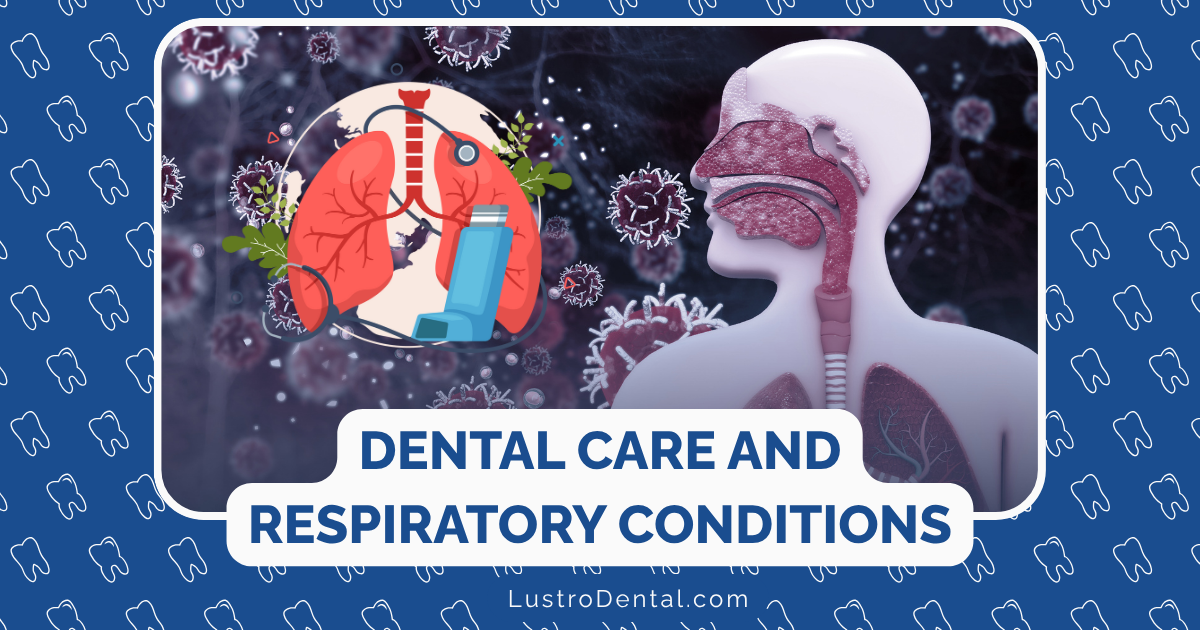
For the millions of Americans living with respiratory conditions, routine activities—including dental visits—can present unique challenges. According to research published in Science Direct, approximately 20 million adults in the United States have asthma, while around 14 million have Chronic Obstructive Pulmonary Disease (COPD). These numbers highlight the importance of dental professionals understanding how to adapt care for these patients.
The relationship between oral health and respiratory conditions is bidirectional: respiratory conditions can complicate dental treatment, while poor oral health may exacerbate respiratory issues. Studies have shown that bacteria from the oral cavity can be aspirated into the lungs, potentially worsening respiratory conditions or causing infections.
This comprehensive guide explores the necessary adaptations for providing safe, effective dental care to patients with respiratory conditions, helping both dental professionals and patients navigate these challenges successfully.
Understanding Common Respiratory Conditions in Dental Settings
Asthma
Asthma is a chronic inflammatory condition characterized by airway hyperresponsiveness and variable airflow obstruction. For dental professionals, it’s important to understand that:
Asthma symptoms can be triggered by stress, anxiety, and certain chemicals or materials used in dental procedures
The condition typically presents with wheezing, coughing, chest tightness, and shortness of breath
Severity ranges from mild intermittent to severe persistent
Medications commonly include short-acting bronchodilators (rescue inhalers) and long-term control medications (inhaled corticosteroids, long-acting bronchodilators)
Chronic Obstructive Pulmonary Disease (COPD)
COPD is a progressive lung disease that includes emphysema and chronic bronchitis, characterized by airflow limitation that is not fully reversible. Key considerations include:
COPD patients often experience chronic cough, increased sputum production, and dyspnea (shortness of breath)
The condition typically worsens over time and is primarily caused by smoking
Many patients require supplemental oxygen, especially during exertion
Medications may include bronchodilators, inhaled corticosteroids, and antibiotics for exacerbations
Other Respiratory Conditions
Additional respiratory conditions that may require dental adaptations include:
Obstructive Sleep Apnea (OSA): Characterized by repeated episodes of upper airway obstruction during sleep
Pulmonary Fibrosis: Scarring of lung tissue that causes progressive breathing difficulty
Cystic Fibrosis: A genetic disorder affecting mucus production in various organs, including the lungs
Bronchiectasis: Permanent enlargement of airways, often leading to chronic cough and sputum production
Pre-Treatment Considerations
Comprehensive Health Assessment
Before providing dental treatment to patients with respiratory conditions, a thorough health assessment is essential:
Detailed Medical History:
Specific respiratory diagnosis and severity
Frequency and triggers of exacerbations
Current medications and oxygen requirements
Recent hospitalizations or emergency visits
History of intubation or mechanical ventilation
Consultation with Medical Providers:
Medical clearance may be necessary for patients with severe or unstable respiratory conditions
Coordination with pulmonologists for patients on complex medication regimens
Understanding of the patient’s baseline respiratory status
Assessment of Current Respiratory Status:
Observation of breathing pattern and effort
Monitoring of oxygen saturation (pulse oximetry)
Evaluation of current symptoms
Postponement of treatment if signs of active infection or exacerbation are present
According to the College of Dental Hygienists of Ontario, treatment should be postponed if respiratory conditions are severe or unstable, particularly if the patient has an acute respiratory infection or oxygen saturation below 91%.
Adaptations for Dental Treatment
Patient Positioning and Comfort
One of the most critical adaptations for patients with respiratory conditions involves proper positioning during treatment:
Chair Position:
Semi-upright or upright positioning (45-90 degrees) to facilitate breathing
Avoidance of supine positioning, which can increase respiratory distress
Frequent position adjustments as needed for patient comfort
Breathing Accommodations:
Allow patients to bring portable oxygen tanks to appointments
Ensure adequate space for oxygen equipment
Modify rubber dam use or avoid entirely if it obstructs breathing
Provide breaks as needed to use inhalers or catch breath
Comfort Measures:
Extra pillows for support and positioning
Blankets for warmth (cold air can trigger bronchospasm in some patients)
Clear communication about position changes
Research published on ResearchGate emphasizes that patients with COPD and asthma require working in a vertical position, as they may not tolerate lying down during dental procedures.
Appointment Scheduling and Duration
Strategic scheduling can significantly improve the dental experience for respiratory patients:
Timing Considerations:
Schedule appointments for late morning or early afternoon when respiratory function is typically optimal
Avoid early morning appointments when mucus accumulation may be greater
Plan appointments during seasons when respiratory symptoms are typically less severe
Duration Adaptations:
Shorter appointments to reduce fatigue and stress
Multiple short visits rather than one long session
Buffer time between procedures to allow for rest
Emergency Scheduling:
Prioritize urgent dental needs to prevent complications
Flexible scheduling during periods of respiratory stability
Medication Considerations
Understanding medication interactions and implications is crucial for safe dental treatment:
Corticosteroid Concerns:
Patients on systemic corticosteroids may require supplemental doses before stressful dental procedures
Long-term steroid use may increase infection risk and delay healing
Consultation with the patient’s physician regarding steroid coverage
Local Anesthetic Considerations:
Use caution with vasoconstrictors, particularly in patients with unstable asthma
Be aware that sulfite preservatives in some local anesthetics may trigger asthmatic reactions
Consider anesthetics without epinephrine for high-risk patients
Medication Timing:
Ensure patients have taken their regular respiratory medications before appointments
Ask patients to bring rescue inhalers to every appointment
Be aware of signs of medication toxicity (e.g., theophylline toxicity can cause anxiety and cardiac arrhythmias)
Anxiety Management
Anxiety can trigger or worsen respiratory symptoms, making management essential:
Establishing stop signals to give patients control
Pharmacological Options:
Conscious sedation with appropriate agents (benzodiazepines may be suitable)
Avoid barbiturates and narcotics, which can cause respiratory depression
Nitrous oxide may be used cautiously in mild to moderate asthma but is contraindicated in severe cases
Low-dose anxiolytics may be prescribed in consultation with the patient’s physician
According to research published in PMC, dental anxiety can trigger asthmatic attacks, making anxiety management techniques essential in preventing respiratory emergencies.
Procedural Modifications
Aerosol and Irritant Management
Respiratory patients may be sensitive to aerosols and irritants commonly generated during dental procedures:
Careful selection of sedation methods when necessary
Positive reinforcement techniques
Elderly Patients with Respiratory Conditions
Older adults with respiratory conditions may have complex health needs:
Comorbidity Management:
Consideration of multiple health conditions
Awareness of polypharmacy and potential interactions
Modified treatment planning based on functional status
Accessibility Adaptations:
Scheduling to accommodate transportation needs
Allowing extra time for transitions and positioning
Consideration of portable equipment for home-bound patients
Conclusion: Optimizing Dental Care for Respiratory Patients
Providing dental care to patients with respiratory conditions requires thoughtful adaptations, but with proper planning and modifications, these patients can receive safe, effective treatment. The key elements include:
Thorough assessment of respiratory status before treatment
Appropriate positioning to facilitate breathing
Careful scheduling and appointment duration management
Medication awareness and management
Anxiety reduction strategies
Emergency preparedness and clear protocols
Recognition of the oral-respiratory health connection
By implementing these adaptations, dental professionals can ensure that patients with respiratory conditions receive the oral healthcare they need without compromising their respiratory health. This not only improves oral outcomes but may also contribute to better respiratory health and overall quality of life.
Do you have a respiratory condition that has affected your dental care? Share your experiences or questions in the comments below to help others navigating similar challenges.