Coordinating Dental Care with Medical Treatment: Communication Strategies
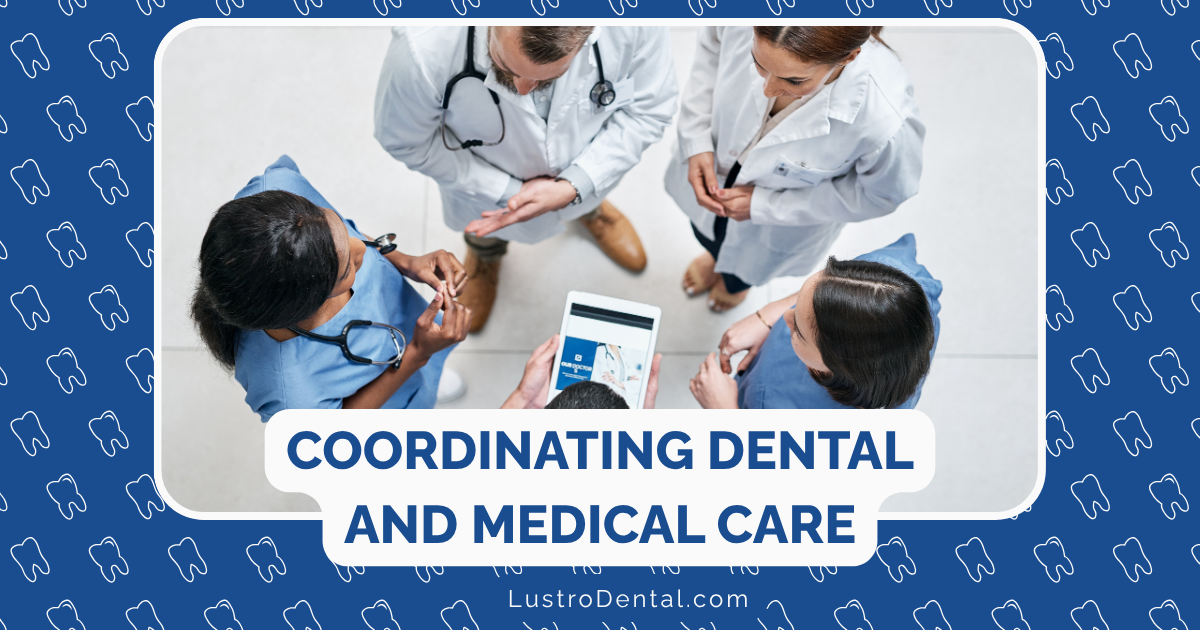
In today’s fragmented healthcare landscape, patients with complex medical conditions often find themselves navigating two separate worlds: their medical care and their dental care. These worlds, despite their obvious connections, frequently operate in isolation from one another—creating gaps that can lead to compromised patient outcomes, missed opportunities for preventive care, and even dangerous treatment conflicts.
As a dental professional who has witnessed these disconnects firsthand, I’ve seen how poor coordination between dental and medical providers can impact patient health. The good news? This is changing. Innovative communication strategies are emerging that bridge these gaps, creating safer, more effective care for patients with complex needs.
The mouth is not separate from the body, though our healthcare systems often treat it that way. Consider these connections that make coordination essential:
Diabetes and periodontal disease share a bidirectional relationship—each condition can worsen the other. Research shows diabetes raises the risk of developing gum disease by a staggering 86%.
Cardiovascular health is linked to oral health, with studies suggesting connections between periodontal disease and heart conditions.
Medication interactions between dental and medical treatments can create serious complications if providers aren’t communicating.
Pre-surgical dental clearance is often required before major medical procedures like organ transplants, joint replacements, or cardiac surgery.
A 2019 survey revealed that nearly 70% of healthcare providers recalled instances where access to medical or dental information could have improved patient care. This disconnect isn’t just an inconvenience—it’s a patient safety issue.
Barriers to Effective Coordination
Before exploring solutions, it’s important to understand the obstacles that have historically prevented seamless dental-medical coordination:
Different insurance systems for medical and dental care
Physical separation of practices and facilities
Lack of standardized referral protocols between medical and dental providers
Communication Barriers
Different professional languages and terminologies used by dental and medical professionals
Unclear expectations about what information should be shared
Uncertainty about patient privacy regulations like HIPAA
Limited time for interprofessional communication in busy clinical settings
Educational Barriers
Siloed professional education with limited interprofessional training
Lack of knowledge about the importance of medical conditions to dental care (and vice versa)
Minimal training in effective interprofessional communication strategies
Effective Communication Strategies for Coordination
Now let’s explore practical strategies that dental professionals can implement to improve coordination with medical providers:
1. Standardized Communication Protocols
Developing standardized protocols for when and how to communicate with medical providers eliminates guesswork and ensures consistent information exchange.
Implementation Strategy:
Create templated referral and consultation forms specific to common medical conditions
Establish clear criteria for when medical consultation is necessary
Develop standard operating procedures for emergency communications
According to recent developments, the oral health industry is making progress in this area but still lags behind medical systems in electronic information sharing. By 2017, more than half of dentists were utilizing electronic health records, marking an important step forward.
3. Developing Interprofessional Relationships
Building personal connections with medical providers in your community creates a foundation for effective communication.
Implementation Strategy:
Organize meet-and-greet events with local primary care providers
Participate in local healthcare provider associations
Consider co-location opportunities with medical practices
Join interprofessional care committees at local hospitals
Dr. Jane Smith, a periodontist in Seattle, implemented quarterly lunch meetings with endocrinologists in her area, resulting in a 40% increase in coordinated care for patients with diabetes.
4. Patient-Centered Communication Approaches
Patients can be powerful allies in coordinating their own care when properly equipped.
Implementation Strategy:
Create patient-friendly medical history summaries that patients can share with providers
Develop medication cards that list all dental and medical prescriptions
Implement “care coordination” sections in patient education materials
Train front office staff to ask specific questions about recent medical changes
To determine whether your coordination strategies are working, consider tracking these metrics:
Communication completion rates: Percentage of referrals/consultations with documented responses
Timeliness measures: Average time from referral to response
Patient satisfaction with coordination processes
Adverse event rates related to poor coordination
Provider satisfaction with coordination processes
Clinical outcomes for patients with coordinated care
Regular review of these metrics can help identify areas for improvement and demonstrate the value of coordination efforts.
Emerging Trends in Dental-Medical Coordination
Looking ahead to 2025 and beyond, several promising developments are likely to transform care coordination:
Integrated Electronic Health Records
The push for true interoperability between dental and medical records continues to gain momentum. The development of implementation guides like the HL7 FHIR® Implementation Guide for Dental Data Exchange represents significant progress toward seamless information sharing.
Telehealth Integration
The rapid expansion of telehealth during the COVID-19 pandemic created new opportunities for virtual coordination between providers. Emerging platforms now support three-way virtual consultations involving the patient, dental provider, and medical provider.
According to recent trends highlighted by 3Shape, telehealth services in dentistry are expected to become standard practice by 2025, further facilitating coordination between dental and medical providers.
Advanced Decision Support Systems
Artificial intelligence and machine learning are being applied to identify patients who would benefit from coordinated care and to suggest appropriate coordination pathways based on clinical data.
Value-Based Care Models
New payment models that reward outcomes rather than procedures create financial incentives for effective coordination. Dental accountable care organizations (ACOs) and other integrated payment models are emerging as promising approaches.
Interprofessional Education
Dental and medical schools are increasingly implementing shared educational experiences, creating a new generation of providers with stronger coordination skills. The American Dental Education Association has been a leader in promoting interprofessional education initiatives.
Case Studies: Successful Coordination in Action
Case Study 1: Pre-Surgical Dental Clearance Program
A dental practice in Boston implemented a streamlined pre-surgical clearance program in collaboration with a local hospital. Key elements included:
Standardized electronic referral forms
Dedicated scheduling blocks for urgent pre-surgical evaluations
Direct communication channels with surgical teams
Shared documentation templates
Results:
94% reduction in surgery delays due to dental issues
78% increase in patient satisfaction with pre-surgical processes
Significant reduction in post-surgical complications
Case Study 2: Diabetes-Periodontal Disease Management Program
A dental-medical collaboration in Minnesota focused on coordinated care for patients with both diabetes and periodontal disease:
Bi-directional referral system between primary care and periodontal practices
Shared treatment goals and metrics
Regular case conferences for complex patients
Patient education materials addressing both conditions
Results:
Improved glycemic control in 67% of patients
Reduced periodontal inflammation in 82% of patients
Decreased emergency department visits for diabetes complications
Case Study 3: Medication Management Coordination
A group dental practice in Florida implemented a comprehensive medication coordination program:
Real-time medication verification with local pharmacies
Direct communication protocols with prescribing physicians
Reach out to key medical providers in your community
Schedule introduction meetings or events
Establish preferred communication methods with each provider
Create a provider directory with contact information and preferences
Step 5: Train Your Team (Weeks 9-10)
Conduct comprehensive team training on coordination protocols
Role-play common coordination scenarios
Develop scripts for patient communication about coordination
Create reference materials for quick access
Step 6: Educate Patients (Weeks 11-12)
Develop patient education materials about the importance of coordination
Create simple tools to help patients participate in coordination
Update intake forms to gather relevant coordination information
Train front office staff to explain coordination processes
Step 7: Monitor and Improve (Ongoing)
Track coordination metrics
Regularly review coordination successes and failures
Solicit feedback from medical providers and patients
Make continuous improvements to your processes
Overcoming Common Challenges
Even with the best intentions, coordination efforts can face obstacles. Here are strategies for addressing common challenges:
Challenge: Non-responsive Medical Providers
Solution:
Develop relationships before you need them
Make your communications concise and action-oriented
Clearly mark urgent communications
Consider phone calls for truly time-sensitive issues
Challenge: Patient Privacy Concerns
Solution:
Obtain specific consent for coordination communications
Develop HIPAA-compliant communication processes
Document all coordination efforts in the patient record
Consider patient-mediated information sharing
Challenge: Time Constraints
Solution:
Create efficient, streamlined processes that minimize time burden
Delegate appropriate coordination tasks to team members
Use templates and standardized forms to reduce documentation time
Schedule specific times for coordination activities
Challenge: Technological Limitations
Solution:
Start with simple solutions and build complexity over time
Consider cloud-based platforms that don’t require extensive integration
Explore patient-centered technologies that bridge systems
Advocate for better interoperability through professional organizations
The Future of Dental-Medical Coordination
The integration of oral health into overall healthcare is gaining momentum. The World Health Organization and other global health entities are increasingly emphasizing policy design that connects oral and general healthcare. As noted by AcademyHealth, strengthening digital health technologies is critical for improving early recognition of oral diseases and enhancing public health communication strategies.
In rural communities, organizations like the National Rural Health Association are partnering with the CareQuest Institute for Oral Health to advance initiatives focused on policy, communications, education, and research to enhance person-centered care.
Educational institutions are also adapting their approaches. The 2025 Winter Meeting Education Sessions of the American Academy of Oral Medicine will include modules on risk assessment for medically complex patients and strategies for communicating evidence-based insights effectively.
As we move forward, several factors will likely accelerate the integration of dental and medical care:
Policy changes that incentivize or require coordination
Technological advances that make information sharing easier
Consumer demand for more integrated care experiences
Research demonstrating the health and economic benefits of coordination
Dental professionals who develop strong coordination skills now will be well-positioned for this more integrated future.
Conclusion
Effective coordination between dental and medical care is not just a nice-to-have—it’s an essential component of comprehensive patient care. By implementing structured communication strategies, leveraging technology, building interprofessional relationships, and engaging patients in the process, dental professionals can break down the artificial barriers between oral and overall health.
The strategies outlined in this article provide a roadmap for improving coordination in practices of all sizes. Whether you’re just beginning to focus on coordination or looking to enhance existing processes, remember that even small improvements can make a significant difference in patient outcomes.
As healthcare continues to evolve toward more integrated models, dental professionals who excel at coordination will not only provide better care but will also position themselves as valued members of the broader healthcare team. The future of healthcare is collaborative—and dental professionals have an important role to play in this integrated vision.
Has your practice implemented successful coordination strategies with medical providers? What challenges have you faced, and how have you overcome them? Share your experiences in the comments below.