Special Home Care Considerations for Immunocompromised Patients
For most people, routine dental care is a straightforward part of daily life. But for those with compromised immune systems, even basic oral hygiene practices can present unique challenges and risks. As a dental professional who has worked with immunocompromised patients for years, I’ve seen firsthand how proper home care can make a profound difference in both oral health outcomes and overall wellbeing.
Immunocompromised individuals—whether due to medical conditions, treatments, or genetic factors—face an elevated risk of infections that can begin in the mouth and potentially spread throughout the body. What might be a minor gum infection for someone with a healthy immune system can become a serious, even life-threatening situation for those who are immunocompromised.
In this comprehensive guide, we’ll explore practical, evidence-based strategies for helping immunocompromised patients maintain optimal oral health at home, reducing their risk of complications while empowering them to take control of their dental care.
Genetic disorders: Severe combined immunodeficiency (SCID), DiGeorge syndrome
Age-related factors: Very young children with undeveloped immune systems or elderly patients with weakened immunity
How Immunocompromised Status Affects Oral Health
When the immune system is compromised, several oral health implications emerge:
Increased susceptibility to infections: Bacterial, viral, and fungal infections can develop more easily and progress more rapidly
Delayed healing: Tissues take longer to repair after injury or dental procedures
Exaggerated inflammatory responses: Gum disease may progress more quickly and severely
Medication side effects: Many immunosuppressive drugs cause dry mouth, increasing cavity risk
Potential for systemic spread: Oral infections can more easily enter the bloodstream and affect other body systems
According to research published in the Journal of the American Dental Association, immunocompromised patients are up to three times more likely to develop serious complications from routine oral infections compared to immunocompetent individuals. This underscores the critical importance of meticulous home care.
Essential Home Care Practices for Immunocompromised Patients
1. Specialized Toothbrushing Techniques
Recommended equipment:
Ultra-soft bristled toothbrush: Reduces the risk of tissue trauma and bleeding
Electric toothbrush with pressure sensor: Helps prevent excessive force that could damage tissues
Antimicrobial toothpaste: Provides additional protection against bacterial growth
Technique modifications:
Brush at least twice daily for a full two minutes
Use gentle, circular motions rather than aggressive scrubbing
Pay special attention to the gumline where bacteria accumulate
Replace toothbrushes every 4-6 weeks (more frequently than the standard 3 months)
Clean and disinfect electric toothbrush heads weekly
Special considerations: For patients with extremely low white blood cell counts (neutropenia), the American Academy of Oral Medicine recommends using disposable foam brushes during periods of severe immunosuppression to further reduce infection risk.
2. Interdental Cleaning Adaptations
Recommended approaches:
Waxed floss: Reduces the risk of tissue trauma compared to unwaxed varieties
Floss holders: Make the process easier and reduce the chance of cutting gums
Water flossers on low settings: Provide effective cleaning with minimal trauma risk
Interdental brushes: For larger spaces, choose ones with coated wires to prevent tissue injury
Technique modifications:
Floss gently once daily, using a C-shape around each tooth
For water flossers, use warm water with a small amount of alcohol-free antimicrobial rinse
For patients undergoing cancer treatment, the American Dental Association recommends daily interdental cleaning using atraumatic techniques such as waxed floss or dental tape to maintain gum health without causing tissue damage.
3. Managing Dry Mouth (Xerostomia)
Dry mouth is exceptionally common in immunocompromised patients, either as a direct result of their condition or as a side effect of medications. This significantly increases cavity risk and can lead to oral discomfort.
Hydration strategies:
Sip water frequently throughout the day
Use a humidifier at night
Avoid caffeine, alcohol, and tobacco which worsen dry mouth
Try sugar-free lozenges or gum with xylitol to stimulate saliva
Specialized products:
Alcohol-free moisturizing mouth sprays
Saliva substitutes with carboxymethylcellulose or hydroxyethylcellulose
Prescription-strength saliva stimulants for severe cases
Dietary considerations:
Avoid acidic, spicy, or salty foods that can irritate dry tissues
Choose soft, moist foods that require less saliva for chewing
Use sauces and gravies to make swallowing easier
Drink water with meals to aid in chewing and swallowing
A 2023 study in the Journal of Dental Research found that consistent management of xerostomia in immunocompromised patients reduced their cavity rate by 43% compared to those who did not address dry mouth symptoms.
After application, spit out excess but don’t rinse, eat, or drink for 30 minutes
For those without custom trays, brush with high-fluoride toothpaste before bed, then spit excess without rinsing
Frequency considerations:
For severely immunocompromised patients or those with active decay, twice-daily fluoride applications may be recommended
Adjust concentration based on cavity risk and severity of immunosuppression
The American Academy of Pediatric Dentistry emphasizes that preventive strategies including fluoride application are crucial for immunocompromised patients, particularly children undergoing cancer treatment.
5. Antimicrobial Rinses and Protocols
Strategic use of antimicrobial rinses can help control oral bacteria and reduce infection risk.
Sodium bicarbonate solutions (1 teaspoon baking soda in 8 oz water)
Saline rinses (0.9% salt solution)
Usage guidelines:
Use chlorhexidine as directed by your dentist (typically twice daily for 30 seconds)
For long-term use, alternate between different rinses to prevent issues like staining
Rinse after meals to remove food debris
For severe immunosuppression, rinse before and after brushing
Important cautions:
Avoid alcohol-containing rinses which can dry and irritate tissues
Discontinue chlorhexidine if tissue sensitivity develops
Don’t use hydrogen peroxide rinses without specific professional guidance
Rinse with plain water after using medicated solutions
A clinical trial published in Supportive Care in Cancer demonstrated that immunocompromised patients who used chlorhexidine rinses experienced 62% fewer oral infections compared to those using placebo rinses.
Special Considerations for Different Types of Immunocompromised Patients
Patients Undergoing Chemotherapy or Radiation
These patients face unique challenges including mucositis (painful inflammation and ulceration of the mouth lining), extreme dry mouth, and taste changes.
Specialized home care:
Ultra-soft brushing with warm water when mucositis is present
Salt and baking soda rinses (1/4 teaspoon of each in 1 cup of warm water) to soothe irritated tissues
Frequent application of water-based lip balm to prevent cracking
Bland, non-acidic diet to minimize oral discomfort
Medication adherence for prescribed pain management
Timing considerations:
Coordinate intensive oral hygiene with medication schedules for maximum comfort
Perform gentle oral care every 4 hours during waking hours during active treatment
Pay special attention to oral care after vomiting episodes
Transplant Recipients
Organ and bone marrow transplant recipients take powerful immunosuppressants to prevent rejection, making them particularly vulnerable to opportunistic infections.
Specialized home care:
Rigorous infection control for all oral care tools
Daily monitoring for early signs of oral infection or graft-versus-host disease
Strict adherence to fluoride protocols
Regular use of prescribed antifungal rinses or lozenges
Immediate reporting of any oral changes to the transplant team
Long-term considerations:
Lifelong vigilance as immunosuppression may be permanent
Important note: According to guidelines from the College of Dentistry Clinical Operations, dental care can be provided regardless of CD4 levels, but home care protocols may need adjustment based on immune status.
Patients with Autoimmune Disorders on Biologics
Biologic medications like TNF inhibitors provide excellent control of conditions like rheumatoid arthritis but can increase infection susceptibility.
Specialized home care:
Regular self-examination for oral ulcers or unusual lesions
Careful technique to avoid tissue trauma during cleaning
Coordination of intensive dental care with medication cycles
Possible temporary enhancement of antimicrobial protocols before injections
The 2025 Winter Meeting of the American Academy of Oral Medicine highlights that biologics used for rheumatologic conditions present specific risks compared to traditional DMARDs and corticosteroids, requiring tailored oral care approaches.
Creating an Effective Home Care Routine
Sample Daily Protocol for Severely Immunocompromised Patients
Morning:
Rinse with salt water solution
Brush gently with ultra-soft brush and prescription fluoride toothpaste
Clean between teeth with waxed floss or water flosser
Apply prescription dry mouth gel if needed
Rinse with prescribed antimicrobial solution
After each meal:
Rinse with water or salt solution
Use alcohol-free mouth spray for dry mouth
Evening:
Rinse with salt water solution
Brush gently with ultra-soft brush and prescription fluoride toothpaste
Clean between teeth with waxed floss or water flosser
Apply prescription fluoride gel in custom trays for 4 minutes
Apply dry mouth gel before sleep
Weekly maintenance:
Disinfect toothbrush by soaking in antimicrobial mouthwash
Replace interdental brushes or floss picks
Check oral tissues for any changes using a mirror and good lighting
Customizing Care Based on Immune Status
It’s important to recognize that immunocompromised status isn’t static—it can fluctuate based on treatment phases, medication changes, or disease progression. Home care should be adapted accordingly.
Maintain vigilance but return to twice-daily brushing
Continue interdental cleaning and fluoride protocols
Reduce antimicrobial rinse frequency if directed by dentist
Schedule professional dental care during these windows
Monitoring and Responding to Oral Changes
Warning Signs That Require Professional Attention
Immunocompromised patients and their caregivers should be vigilant for these concerning symptoms:
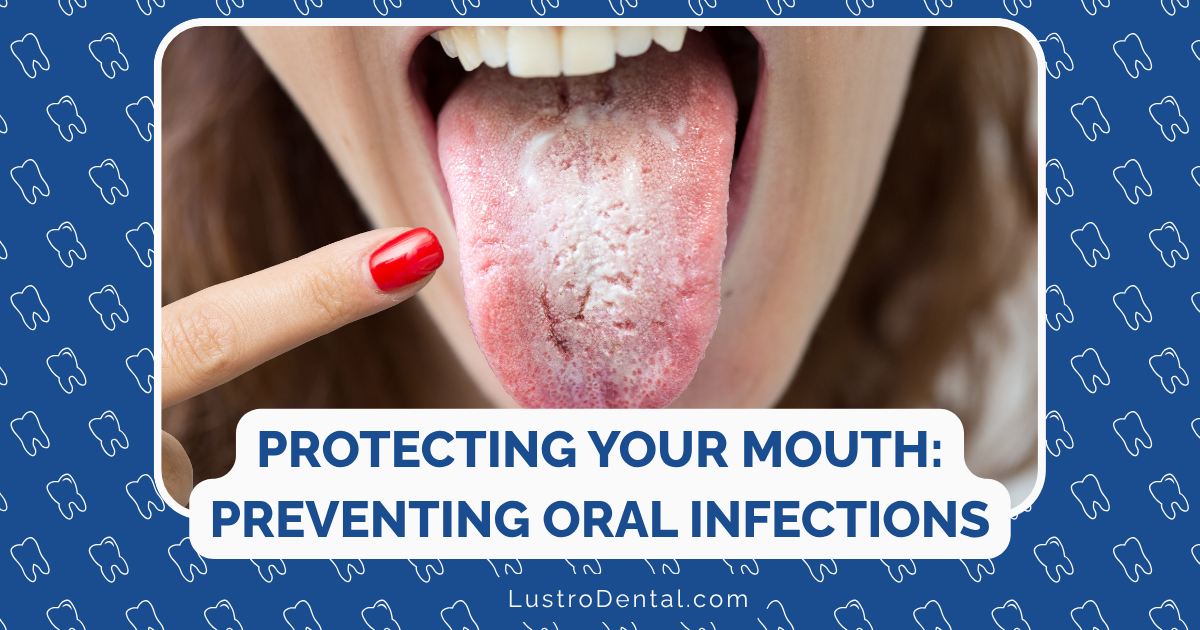
White or yellow patches that don’t wipe away (possible fungal infection)
Ulcers that don’t heal within 7-10 days
Bleeding that doesn’t stop with gentle pressure
Swelling of the face, gums, or lymph nodes
Pain that isn’t controlled with over-the-counter medication
Loose teeth or changes in how teeth fit together
Difficulty swallowing or speaking
Fever in combination with any oral symptoms
According to the College of Dental Hygienists of Ontario, fever is a critical warning sign in immunocompromised patients and often indicates infection that requires immediate attention.
Documentation and Communication
Maintaining detailed records helps both patients and their healthcare team:
Keep a daily oral care log noting any changes or symptoms
Take photos of concerning areas to share with healthcare providers
Document which home care strategies are most effective
Track medication changes that might affect oral health
Bring this information to all dental and medical appointments
Empowering Caregivers
For severely immunocompromised patients who cannot perform their own oral care, caregivers play a vital role.
Training for Caregivers
Proper technique is essential for both effectiveness and patient comfort:
Position the patient comfortably with head slightly elevated
Use good lighting and wear gloves
Apply gentle, systematic cleaning of all tooth surfaces
Pay special attention to the gumline and between teeth
Seek support from mental health professionals when needed
Building Sustainable Habits
Connect oral care to existing daily routines
Use smartphone reminders or apps to track care
Create visual guides for complex protocols
Celebrate improvements in oral health
Focus on how good oral health supports overall wellbeing
Conclusion: A Personalized Approach to Home Care
There is no one-size-fits-all approach to oral care for immunocompromised patients. The strategies outlined in this guide should be customized based on:
The specific cause and severity of immunosuppression
Current oral health status
Manual dexterity and ability to perform self-care
Available caregiver support
Access to dental products and professional care
By working closely with both dental and medical providers, immunocompromised patients can develop personalized home care routines that protect their oral health while accommodating their unique needs and challenges.
Remember that consistent, thorough home care is not just about preventing dental problems—it’s an essential component of protecting overall health for those with compromised immune systems. Small daily actions can make a profound difference in quality of life and health outcomes.