Preventing Oral Infections When Your Immune System Is Compromised
When your immune system is compromised—whether from cancer treatment, autoimmune disorders, organ transplantation, or other medical conditions—maintaining oral health becomes not just about preventing cavities, but a critical component of your overall health protection strategy. The mouth can become a gateway for infections that may have serious consequences for individuals with weakened immune defenses.
According to research published in PMC, infections associated with oral health issues can lead to life-threatening systemic sepsis, especially during periods of profound immunosuppression. The rate of infection during chemotherapy cycles with oral complications like mucositis is more than double compared to cycles without these complications.
This comprehensive guide provides evidence-based strategies to help you maintain optimal oral health when your immune system is compromised, potentially preventing serious complications and improving your quality of life.
Understanding the Risks: Common Oral Problems in Immunocompromised Individuals
When your immune system is weakened, your mouth becomes more susceptible to various infections and complications:
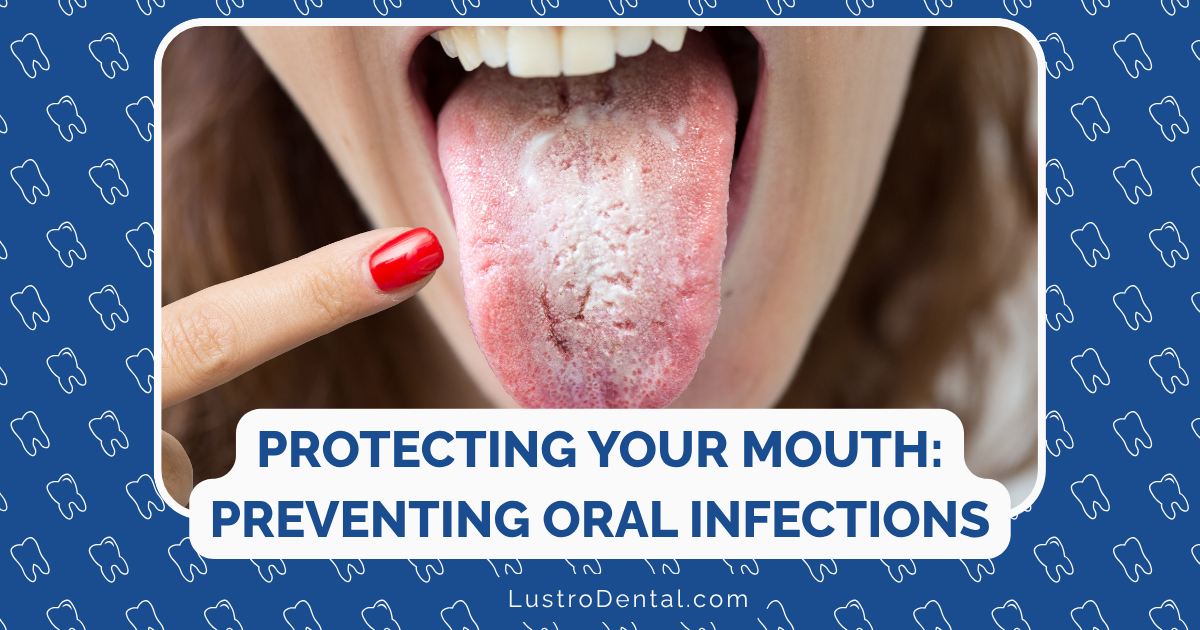
Oral Candidiasis (Thrush):
This fungal infection appears as creamy white, slightly raised lesions on the tongue, inner cheeks, or back of the throat. In immunocompromised individuals:
Candidiasis occurs more frequently and with greater severity
The infection may spread to the esophagus (esophageal candidiasis)
It can be more resistant to standard treatments
According to Research Gate, the prevalence of oral candidiasis in immunocompromised patients can reach up to 40%, depending on the underlying condition and treatment regimen
Oral Mucositis:
This painful inflammation and ulceration of the mucous membranes lining the mouth is particularly common during cancer treatments:
Affects approximately 40% of patients receiving standard chemotherapy
Incidence rises to 75-80% in patients receiving high-dose chemotherapy before stem cell transplantation
Occurs in 29-66% of patients receiving radiation therapy for head and neck cancer
Can significantly impact nutrition, hydration, and quality of life
Increases the risk of local and systemic infections
Periodontal (Gum) Disease:
Gum disease progresses more rapidly and severely in immunocompromised individuals:
Inflammation may be more pronounced
Tissue destruction can occur more quickly
Response to standard treatments may be diminished
Can lead to bacteremia (bacteria in the bloodstream)
Viral Infections:
Herpes simplex virus and other viral infections can be more problematic:
Cold sores may be larger, more painful, and slower to heal
Herpes infections may spread more extensively
Viral infections like cytomegalovirus may manifest in the mouth
Epstein-Barr virus can cause oral hairy leukoplakia in severely immunocompromised patients
Creates a more favorable environment for infections
Makes eating, swallowing, and speaking more difficult
Essential Oral Hygiene Protocols
Maintaining meticulous oral hygiene is your first line of defense against infections. The American Dental Association recommends the following protocols:
Daily Brushing
Frequency: Brush at least twice daily (morning and before bed)
Toothbrush: Use a soft-bristled, nylon toothbrush
Replace your toothbrush every 3-4 weeks, or sooner if bristles become frayed
Regular professional dental care remains important, though timing and approach may need adjustment:
When to Schedule Dental Visits
Cancer patients: Coordinate with oncology team
Best timing is often when blood counts are highest (typically 17-21 days after chemotherapy)
Postpone elective procedures if:
Absolute neutrophil count (ANC) < 1,000/mm³
Platelet count < 50,000/mm³
Transplant patients: Follow transplant team recommendations
Emergency care only in first 3 months post-transplant
Routine care usually resumed 6-12 months post-transplant
HIV patients: Regular schedule based on oral health needs and viral load/CD4+ count
Communicating with Your Dental Team
Always inform your dental provider about:
Your specific immunocompromising condition
Current medications
Recent laboratory values
Contact information for your medical specialists
Antibiotic Prophylaxis
According to the Science Direct review, antibiotic prophylaxis before dental procedures may be recommended for certain immunocompromised patients, though guidelines vary. Discuss with both your medical and dental providers whether you need antibiotics before dental procedures.
Managing Common Oral Complications
Dry Mouth (Xerostomia)
Dry mouth is a common side effect of many medications and treatments:
Hydration Strategies
Sip water frequently throughout the day
Use a humidifier in your bedroom at night
Avoid caffeine, alcohol, and tobacco, which can worsen dryness
Consider sugar-free gum or lozenges to stimulate saliva (xylitol-containing products preferred)
Products for Dry Mouth
Over-the-counter saliva substitutes
Prescription medications to stimulate saliva production (e.g., pilocarpine, cevimeline)
Mouth moisturizing gels, especially for nighttime use
White patches on the tongue, cheeks, or roof of the mouth
Difficulty swallowing or breathing
Severe mouth pain that interferes with eating or drinking
Swelling in the face, neck, or mouth
Special Considerations for Caregivers
If you’re caring for someone who is immunocompromised:
Assisting with Oral Care
Wash hands thoroughly before helping with oral care
Use clean or disposable gloves if touching inside the mouth
Be gentle but thorough
Provide encouragement and positive reinforcement
Creating Routines
Establish consistent oral care times
Set up a comfortable area with all needed supplies
Break tasks into manageable steps
Use timers or music to ensure adequate brushing time
Monitoring Oral Health
Check the mouth regularly for any changes
Document and photograph concerns to share with healthcare providers
Keep a log of symptoms and interventions
Emerging Treatments and Research
Research continues to advance our understanding of preventing oral complications in immunocompromised individuals:
Promising Approaches
Photobiomodulation (low-level laser therapy): Shows promise for preventing and treating oral mucositis
Growth factors: Medications like palifermin that stimulate cell growth and healing
Novel antimicrobial approaches: New strategies to control oral bacteria and fungi
Improved saliva substitutes: Better formulations to mimic natural saliva functions
Clinical Trials
Consider asking your healthcare provider about clinical trials investigating new approaches to preventing oral complications in immunocompromised patients.
Building Your Support Team
Managing oral health when immunocompromised requires a team approach:
Maintain a health journal documenting symptoms and concerns
Consider bringing an advocate to appointments to help remember information
Ask for written instructions for oral care protocols
Conclusion: A Proactive Approach
When your immune system is compromised, preventing oral infections requires vigilance, knowledge, and consistent care. By implementing comprehensive oral hygiene protocols, working closely with healthcare providers, and promptly addressing any concerns, you can significantly reduce your risk of oral complications.
Remember that oral health is an integral part of your overall health, particularly when immunocompromised. The effort you invest in maintaining good oral hygiene may not only prevent discomfort but could potentially prevent serious infections that might compromise your treatment or recovery.
By taking a proactive approach to oral health, you’re giving yourself an important advantage in your journey toward wellness.
Do you have experience managing oral health with a compromised immune system? Share your tips and experiences in the comments below to help others navigating similar challenges.