🦷 General Care
✨ Treatments
👶 Family Care
💚 Wellness
💡 Resources

🦷 General Care
✨ Treatments
👶 Family Care
💚 Wellness
💡 Resources

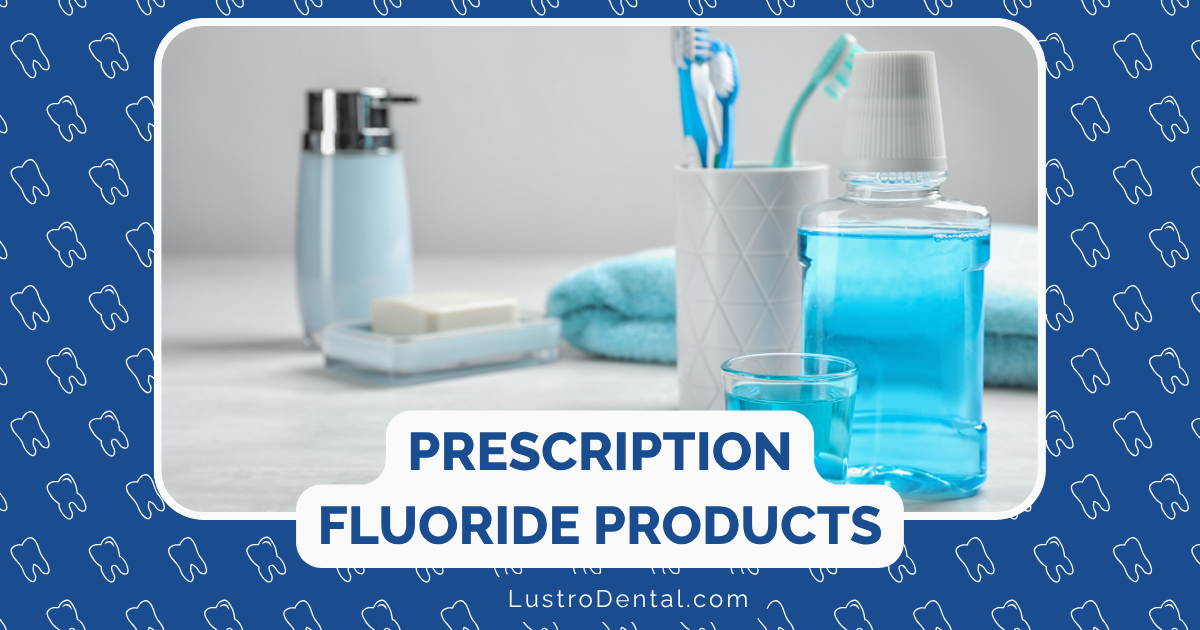
When it comes to dental care products, most people are familiar with the standard fluoride toothpastes available at their local drugstore. But there’s another level of fluoride protection that many aren’t aware of: prescription-strength fluoride products. These high-concentration formulations play a crucial role in preventive dentistry for specific populations, yet many patients don’t understand when or why they might need them.
As a dental health advocate, I’ve seen firsthand how prescription fluoride can be a game-changer for certain patients. Let’s explore who can benefit from these products and why they might be necessary for optimal oral health.
Before diving into who needs prescription fluoride, let’s clarify what makes these products different from what you’ll find on store shelves.
The primary distinction between over-the-counter and prescription fluoride products is concentration:
According to research from Colgate Professional, this concentration difference is significant: while regular fluoride toothpaste reduces cavities by about 23%, prescription-strength formulations at 5,000 ppm can reduce cavity risk by approximately 42%.
Prescription fluoride comes in several forms:
Each formulation has specific advantages for different patient needs, but all deliver significantly higher fluoride concentrations than over-the-counter alternatives.
Prescription fluoride isn’t for everyone. Here are the primary patient groups who benefit most from these high-concentration products:
Individuals with a history of frequent cavities or active decay are prime candidates for prescription fluoride. According to Delta Dental, prescription-strength fluoride toothpaste can reduce cavities by up to 70% and reverse early decay in over half of affected teeth.
Risk factors that might warrant prescription fluoride include:
For these patients, the extra protection provided by prescription fluoride can mean the difference between ongoing decay and maintaining healthy teeth.
Dry mouth is perhaps one of the most significant risk factors for dental caries, and it affects millions of Americans for various reasons.
Research from Colgate Professional indicates that medication-induced xerostomia is the most common cause, with hundreds of prescription and over-the-counter medications potentially causing this side effect, including:
Without adequate saliva, teeth lose their natural protective mechanism against acids and bacteria. Prescription fluoride products like Colgate PreviDent 5000 Dry Mouth (5,000 ppm fluoride) are specifically formulated to provide the extra protection these patients need.
Patients undergoing radiation therapy for head and neck cancer face some of the highest caries risks of any population. According to research published in PMC, radiation therapy can cause:
For these patients, prescription fluoride is not just beneficial—it’s essential. Studies indicate that daily use of 5,000 ppm fluoride gel or toothpaste is a critical component of oral care protocols for radiation patients.
A study in Decisions in Dentistry noted that approximately 29% of patients receiving head and neck radiation therapy develop radiation-related caries within just 3 months of treatment conclusion, highlighting the urgent need for aggressive preventive measures.
Wearing braces or other orthodontic appliances creates numerous plaque traps that make effective oral hygiene challenging. The areas around brackets and bands are particularly vulnerable to demineralization, which can lead to white spot lesions and eventually cavities.
Prescription fluoride provides the extra protection needed during orthodontic treatment, helping to:
For many orthodontic patients, especially teenagers who may have less-than-perfect oral hygiene habits, prescription fluoride can be an essential safeguard against treatment-related decay.
Root exposure due to gum recession creates significant vulnerability to decay. Unlike the crown of the tooth, which is covered by enamel, root surfaces are covered by cementum—a substance that’s much softer and more susceptible to acid attacks.
According to research in PMC, nearly half of all individuals aged 75 and older have root caries, making this a particularly important concern for older adults.
Root surfaces begin to demineralize at a pH of approximately 6.7, compared to 5.5 for enamel, making them much more vulnerable to acid damage. Prescription fluoride provides the intensive remineralization these surfaces need to resist decay.
A study published in Wiley Online Library found that Veterans who received professional fluoride treatments were 32-40% less likely to require treatment for root caries during the follow-up period, emphasizing the preventive value of high-concentration fluoride.
Individuals with multiple crowns, bridges, implants, or large fillings face unique challenges:
For these patients, preserving remaining natural tooth structure is critical. Prescription fluoride helps strengthen natural teeth and prevent secondary decay around existing restorations.
Individuals with physical, cognitive, or developmental disabilities that impact their ability to maintain optimal oral hygiene often benefit from prescription fluoride. This includes patients with:
For these patients, prescription fluoride provides an additional layer of protection that compensates for challenges in maintaining ideal oral hygiene.
Why exactly are higher concentrations of fluoride more effective? The answer lies in the mechanisms by which fluoride protects teeth:
At higher concentrations, fluoride creates a supersaturated environment that dramatically accelerates the remineralization process. When enamel begins to demineralize due to acid attacks, fluoride helps attract calcium and phosphate ions to the damaged areas, rebuilding the mineral structure.
Research from Dr. Jenkins Dentist indicates that the 5,000 ppm concentration in prescription products creates a remineralization effect powerful enough to actually reverse early decay in many cases.
When teeth are exposed to high-concentration fluoride, some of the hydroxyapatite in enamel is converted to fluorapatite, which is more resistant to acid dissolution. Fluorapatite begins to dissolve at a pH of approximately 4.5, compared to 5.5 for hydroxyapatite, providing significantly greater protection against acidic challenges.
Higher-concentration fluoride products create a reservoir of fluoride in plaque and saliva that continues to provide protection between brushings. This sustained release is particularly important for high-risk patients who need continuous protection.
At higher concentrations, fluoride also exhibits antibacterial properties that help reduce the population of cariogenic bacteria in the mouth. This is especially important for patients with dry mouth or those taking medications that alter oral flora.
For prescription fluoride to be effective, proper use is essential. Here are the general guidelines for using these products:
While prescription fluoride products are safe when used as directed, they should be kept out of reach of young children. The high concentration means that accidental ingestion of significant amounts could potentially cause adverse effects.
For this reason, prescription fluoride is generally not recommended for children under 6 years of age, and parents should supervise older children when using these products.
It’s important to note that prescription fluoride, while powerful, works best as part of a comprehensive caries prevention strategy that includes:
For patients with extremely high caries risk, dentists may recommend combining prescription fluoride with other interventions such as chlorhexidine rinses, xylitol products, or calcium phosphate technologies.
Research continues to evolve in this area, with promising developments including:
A study in Science Direct found that silver diamine fluoride (SDF), which contains both silver and high-concentration fluoride, achieved arrest rates of 82.9% to 91.6% for active root caries lesions in older adults. The American Dental Association notes that SDF has shown particular promise for vulnerable populations who cannot tolerate more extensive dental treatment.
Prescription-strength fluoride products represent a powerful tool in the dental professional’s arsenal against tooth decay, but they’re not necessary for everyone. For patients with elevated caries risk due to medical conditions, medications, special circumstances, or a history of decay, these high-concentration products can make a dramatic difference in oral health outcomes.
If you fall into one of the high-risk categories we’ve discussed, talk with your dental provider about whether prescription fluoride might be appropriate for you. The extra protection could save you significant discomfort, time, and expense by preventing decay before it starts.
Remember that prevention is always preferable to treatment, and for those at high risk, prescription fluoride offers one of the most effective preventive options available in modern dentistry.
Have you used prescription-strength fluoride products? What was your experience? Share in the comments below!