🦷 General Care
✨ Treatments
👶 Family Care
💚 Wellness
💡 Resources

🦷 General Care
✨ Treatments
👶 Family Care
💚 Wellness
💡 Resources

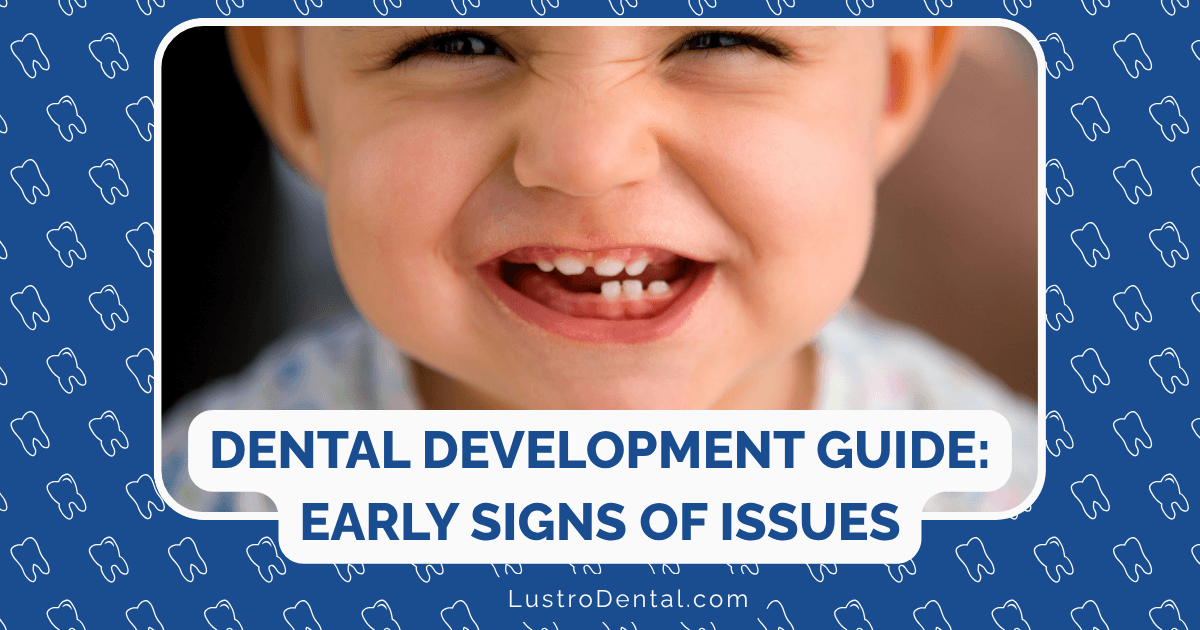
As parents, we’re constantly watching for milestones in our children’s development—first steps, first words, first day of school. But there’s another set of developmental markers that often goes unnoticed until problems become more serious: dental development.
Having worked with families for years to promote dental health education, I’ve seen how early detection of dental issues can make an enormous difference in treatment outcomes, cost, and a child’s overall well-being. The good news is that many developmental dental issues display visible signs that parents can spot—if they know what to look for.
This guide will walk you through what to watch for at different stages of your child’s development, with visual cues that might indicate a need for professional evaluation. Think of it as adding “dental detective” to your already impressive parenting skill set.
Before diving into specific signs, let’s understand why spotting dental issues early is so crucial:
The American Association of Orthodontists recommends that all children have an orthodontic evaluation by age 7—when they have a mix of baby and permanent teeth. However, many developmental issues show signs even earlier that attentive parents can spot.
During the first three years, your child should develop a full set of 20 primary (baby) teeth. Typically:
What to look for: If your child has no teeth by 12 months or significantly fewer teeth than expected for their age.
What it might mean: While timing varies among children, significant delays can indicate developmental issues, nutritional deficiencies, or genetic factors that warrant evaluation.
What to look for: White spots or lines on teeth, especially near the gumline, which may progress to yellow, brown, or black areas.

What it might mean: These are often the first signs of early childhood caries, sometimes called “baby bottle tooth decay.” This condition can progress rapidly in young children.
What to look for: Teeth that appear unusually small, misshapen, or have visible pits or grooves.
What it might mean: These could indicate developmental abnormalities that might affect both baby teeth and the developing permanent teeth underneath.
What to look for: One side of the jaw appearing different from the other, or the lower jaw looking significantly recessed or protruding when viewed from the side.

What it might mean: Early signs of jaw growth issues that might benefit from growth guidance therapy.
Dr. Sarah Johnson, pediatric dentist at Children’s Dental Health Associates, explains: “Parents are often surprised to learn that we can spot potential orthodontic issues in very young children. The way the jaws develop in these early years sets the foundation for how permanent teeth will emerge later.”
During ages 3-6, your child’s dental development should include:
What to look for: Baby teeth that overlap or twist due to insufficient space.

What it might mean: If baby teeth are crowded, the permanent teeth (which are larger) will likely face even more significant crowding issues.
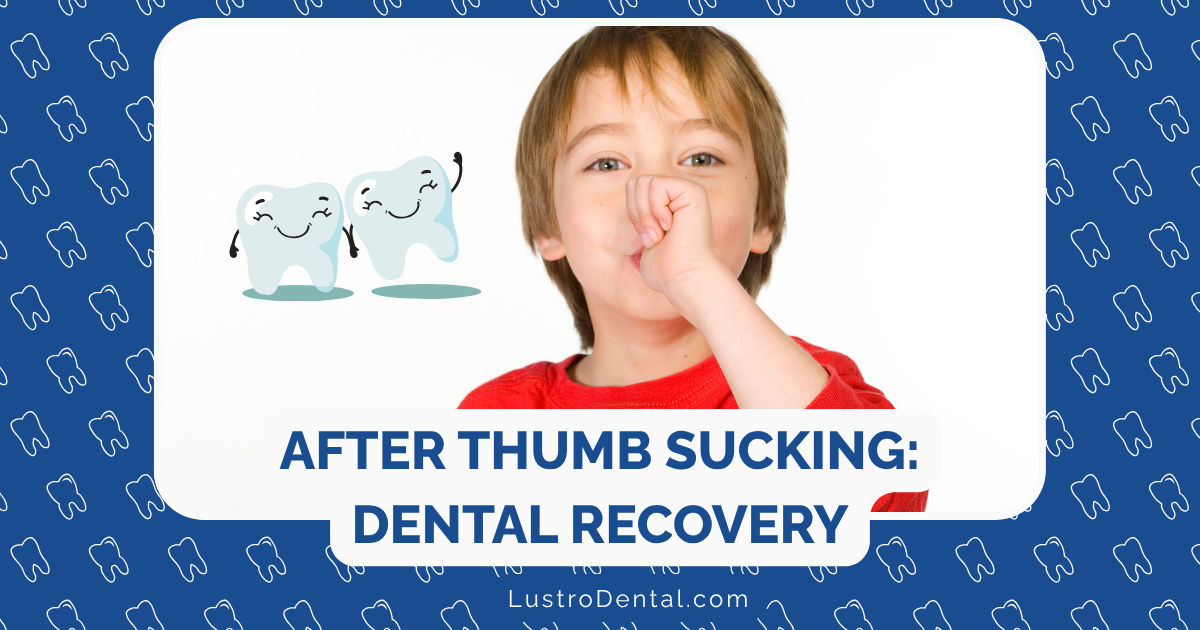
What to look for: Children continuing to suck thumbs or use pacifiers past age 4, especially with intensity or frequency.
What it might mean: While some thumb-sucking is normal in younger children, prolonged habits can lead to:
What to look for: Your child consistently breathing through their mouth rather than their nose, especially during sleep or at rest.
Visual indicators include:
What it might mean: Mouth breathing can significantly affect facial and dental development, leading to a “long face syndrome” with a narrow upper jaw, high palate, and increased likelihood of sleep-disordered breathing.
Even in children with all baby teeth, you can spot early signs of bite issues:
a) Crossbite
What to look for: When viewing your child’s teeth from the front, some upper teeth sit inside the lower teeth when biting down.

What it might mean: Crossbites can lead to asymmetrical jaw growth and uneven wear on teeth if not addressed early.
b) Significant Overbite
What to look for: Upper front teeth that significantly overlap the lower teeth vertically.
What it might mean: While some overlap is normal, excessive overbites can lead to wear on lower teeth and potential injury to upper teeth.
c) Underbite
What to look for: Lower front teeth sitting in front of upper front teeth when biting down.
What it might mean: This often indicates a jaw growth discrepancy that may benefit greatly from early intervention.
This period is characterized by:
What to look for: Baby teeth falling out before age 5 or baby teeth not becoming loose by age 7-8.
What it might mean: Early loss can lead to space loss for permanent teeth, while significantly delayed loss might indicate impacted permanent teeth or missing permanent teeth.
What to look for: New permanent teeth coming in behind still-present baby teeth, creating a “double row” appearance sometimes called “shark teeth.”

What it might mean: While sometimes this resolves as baby teeth fall out naturally, it can indicate a size discrepancy between the jaw and teeth that may require intervention.
What to look for: Permanent front teeth coming in twisted, overlapped, or significantly displaced due to lack of space.
What it might mean: Crowding at this stage often indicates a need for orthodontic evaluation, as it typically worsens as more permanent teeth erupt.
What to look for: The center lines of the upper and lower teeth don’t align with each other or with the center of the face.

What it might mean: This can indicate asymmetrical jaw growth or tooth positioning issues that may require orthodontic correction.
What to look for: Permanent teeth emerging in an unusual order or position.
What it might mean: This could indicate impacted teeth, missing teeth, or extra teeth that are blocking normal eruption.
Dr. Michael Chen, orthodontist at Children’s Orthodontic Specialists, notes: “The mixed dentition phase is our golden opportunity for intervention. We can guide jaw growth, create space for crowded teeth, and address bite issues while the child is still growing. Parents who notice these visual signs and seek evaluation are giving their children a tremendous advantage.”
Beyond visual cues, certain functional issues can indicate developmental dental problems:
What to notice: Persistent difficulty pronouncing certain sounds, especially “s,” “z,” “th,” “l,” and “r” beyond the age when these sounds are typically mastered.
What it might mean: Certain malocclusions or tongue positioning issues can directly affect speech production.
What to notice:
What it might mean: These can indicate bite alignment issues that affect function.
What to notice: Clicking, popping, or grinding sounds when your child opens or closes their mouth, or complaints of jaw pain or headaches.
What it might mean: These may indicate temporomandibular joint (TMJ) issues, which can be related to malocclusion or growth abnormalities.
What to notice: Visible grinding during sleep or reports from your child about jaw tiredness in the morning.
What it might mean: While occasional grinding can be normal, persistent grinding (bruxism) may indicate bite issues or airway problems.
Recent research has highlighted the significant connection between breathing issues and dental development. Parents should be particularly vigilant about these signs:
What to notice:
What it might mean: These can indicate obstructed breathing, which often correlates with narrow dental arches, high palates, and malocclusion. The relationship is bidirectional—breathing issues can affect dental development, and dental/jaw development can affect breathing.
Based on the visual and functional signs above, here are key times to consult with a dental professional:
When you bring your child for an evaluation based on concerns you’ve noticed, the dental professional will typically:
While some developmental dental issues are genetic, parents can take several steps to promote healthy development:
It’s important to understand that dental development doesn’t occur in isolation. Research increasingly shows connections between:
Dr. Lisa Williams, pediatric dentist at Children’s Dental Health Institute, emphasizes: “We’re increasingly recognizing that optimal dental development is about more than just straight teeth. It’s about creating the conditions for proper breathing, speaking, eating, and overall health. Parents who are attentive to these early signs are doing their children a tremendous service.”
As a parent, you have a unique advantage in spotting dental development issues early. You see your child daily, observe their habits, hear their speech, and notice subtle changes that might escape even the most attentive dental professional who sees your child only periodically.
By becoming familiar with these visual and functional signs, you become an essential partner in your child’s dental health team. Your observations, combined with professional expertise, create the best opportunity for timely intervention and optimal outcomes.
Remember that developmental variations are normal, and not every dental irregularity requires treatment. The goal of this guide isn’t to cause concern but to empower you with knowledge that can lead to earlier, less invasive, and more effective interventions when needed.
Your attentiveness today could save your child from more complex treatment in the future—truly a gift that will keep them smiling for a lifetime.
Has this guide helped you identify any potential concerns in your child’s dental development? Share your experiences or questions in the comments below!