🦷 General Care
✨ Treatments
👶 Family Care
💚 Wellness
💡 Resources

🦷 General Care
✨ Treatments
👶 Family Care
💚 Wellness
💡 Resources

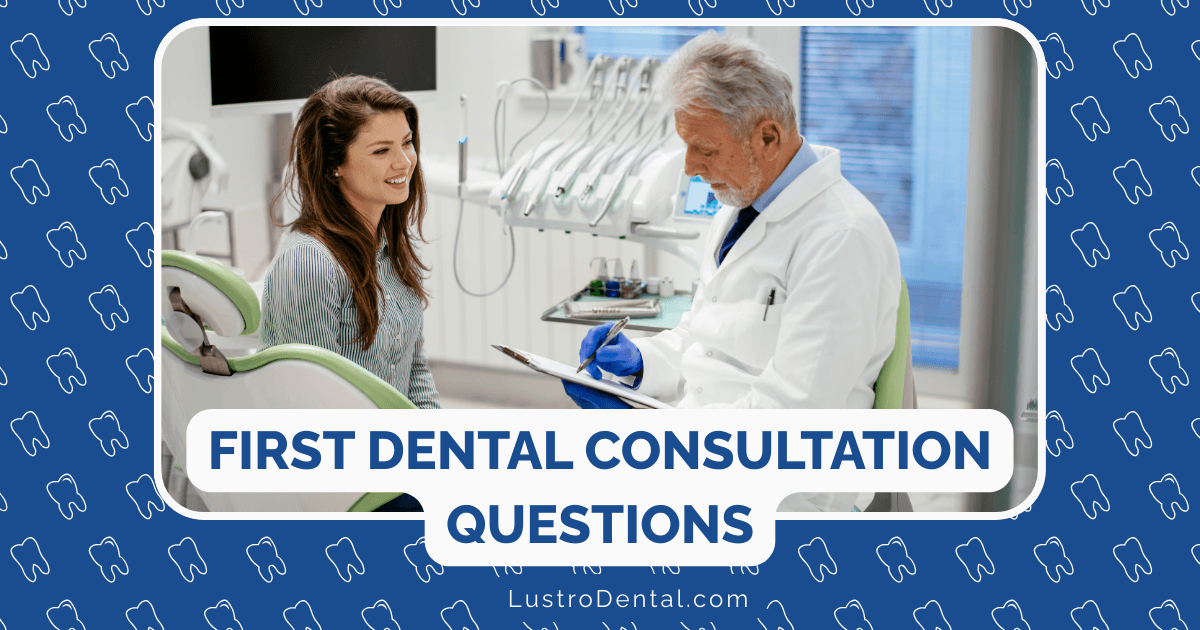
Walking into a dental office for the first time can feel like stepping into uncharted territory. Whether you’ve moved to a new area, switched insurance plans, or simply decided it’s time for a change, that initial consultation sets the stage for your future oral health journey.
But here’s the thing—most people waste this crucial opportunity. They sit quietly, nod along, and leave with the same questions they came in with. Not you. You’re going to maximize this first meeting by asking the right questions that reveal everything you need to know about your new potential dental home.
According to the American Dental Association, preparation is key to a successful first consultation. Before your appointment:
The foundation of any good dental relationship is an honest assessment of where your oral health stands right now. Don’t leave your consultation without asking:
This question gives you the big picture. A good dentist will walk you through their findings in terms you can understand, not just rattle off technical jargon.
This helps prioritize treatment if needed. Research from the Journal of the American Dental Association shows that addressing problems early typically results in less invasive and less expensive treatments.
This provides context and helps you understand if you’re on track or need to step up your game.
Visual learners benefit tremendously from this. Plus, it demonstrates the dentist’s willingness to educate rather than just dictate treatment.
Prevention is always better (and cheaper) than treatment. Ask these questions to optimize your daily routine:
Generic advice isn’t enough. Your mouth is unique, and your home care routine should be tailored accordingly.
According to the American Academy of Periodontology, personalized recommendations are more effective than one-size-fits-all advice.
Most people have “trouble spots” that need special focus—find out yours.
Be honest about your current habits so they can give realistic advice. The Centers for Disease Control and Prevention reports that only about 30% of Americans floss daily.
Not all dentists practice the same way. Understanding your dentist’s philosophy helps determine if they’re a good fit for you:
Some dentists prefer to watch and wait on borderline issues, while others recommend immediate intervention. Neither is wrong—it’s about finding the approach that aligns with your preferences.
Dentistry evolves rapidly. You want someone committed to continuing education beyond the minimum requirements.
This is especially important if you experience dental anxiety, which affects about 36% of the population.
There are pros and cons to both approaches. In-house treatment offers convenience, while specialist referrals may provide more expertise for complex cases.
The best dental care in the world doesn’t help if you can’t access or afford it:
Dental emergencies rarely happen during convenient business hours. Understanding the protocol beforehand saves stress later.
Life happens. Know the rules to avoid unnecessary fees.
According to a survey by the Health Policy Institute, cost is the primary reason adults avoid dental care.
Some offices require upfront payment and reimburse you after insurance pays, while others bill insurance directly and only charge you the remainder.
Pay attention to how the dentist responds to your questions. Be wary if they:
After your consultation, ask yourself:
Remember, according to the Journal of Dental Research, the dentist-patient relationship significantly impacts treatment outcomes and satisfaction. It’s worth taking the time to find the right fit.
Your first dental consultation is more than just a check-up—it’s the beginning of what should be a long-term health partnership. By asking these questions, you’re not just gathering information; you’re setting the foundation for years of quality oral healthcare.
What questions have you found helpful when meeting a new dentist? Share your experiences in the comments below.