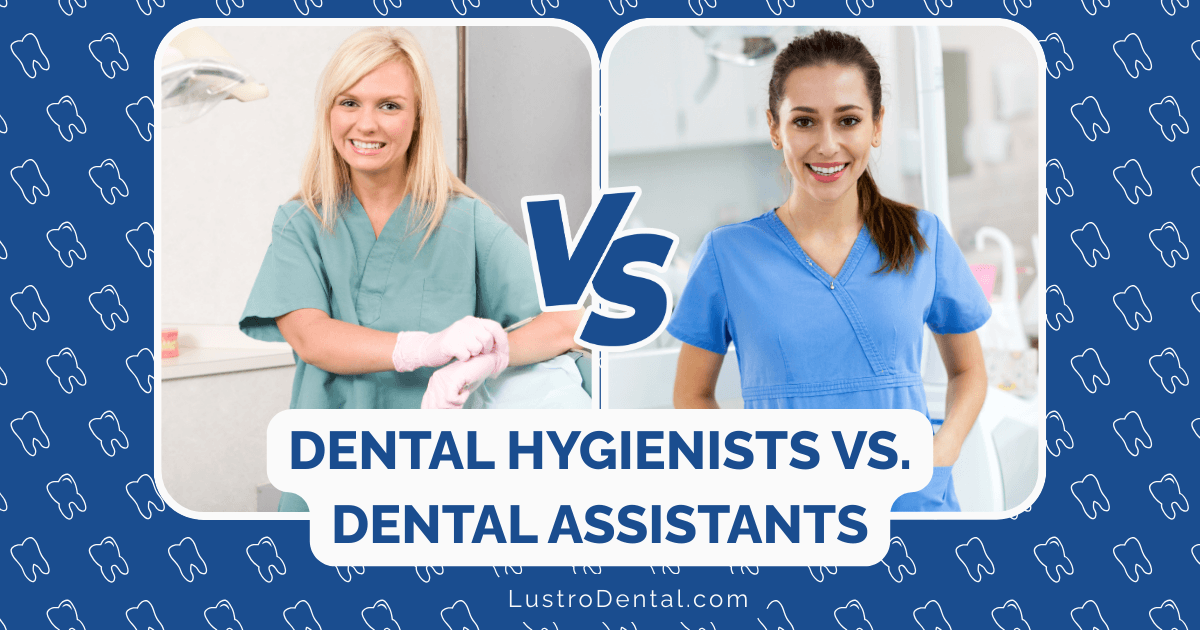
Dental Hygienists vs. Dental Assistants: Different Roles Explained
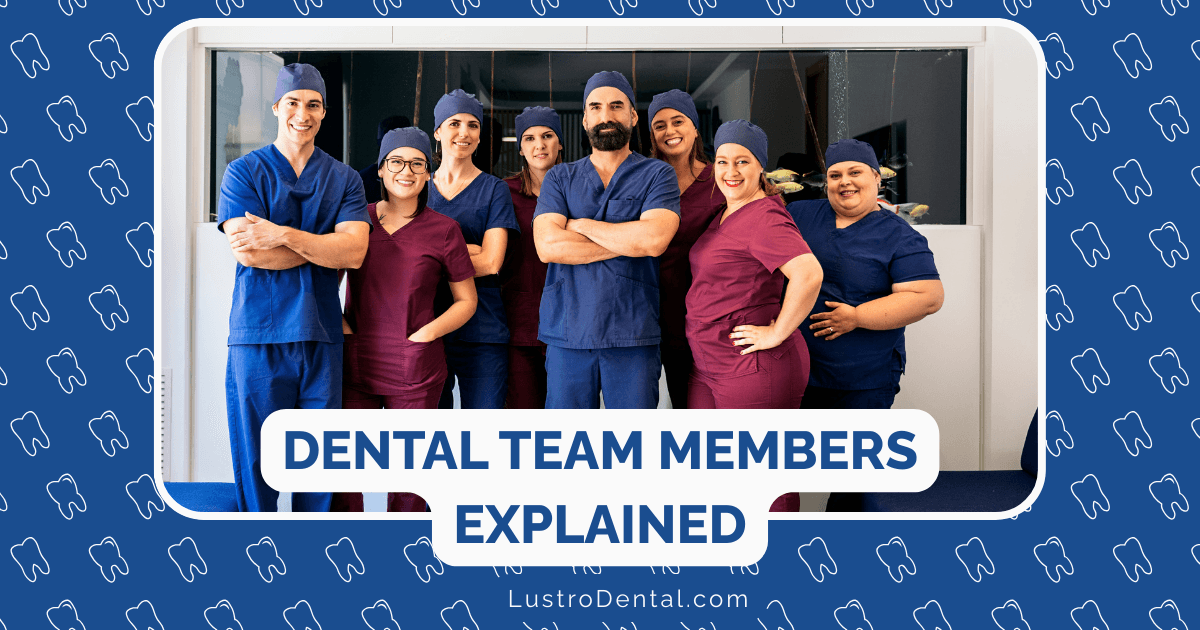
When you visit a dental office, you’ll likely interact with several dental professionals beyond just the dentist. Two key team members you’ll encounter are dental hygienists and dental assistants. While these roles may seem similar at first glance, they have distinct responsibilities, educational requirements, and scopes of practice that significantly impact your dental care experience.
Understanding the differences between these professionals can help you better navigate your dental visits and appreciate the specialized care you receive. This comprehensive guide explores the unique roles of dental hygienists and dental assistants, highlighting how each contributes to your oral health in different but complementary ways.
The most fundamental difference between dental hygienists and dental assistants lies in their primary responsibilities and level of patient interaction.
Dental Hygienist: The Preventive Care Specialist
Dental hygienists focus primarily on providing direct, preventive oral care to patients, often working with considerable independence within their scope of practice. Their core responsibilities include:
Performing professional dental cleanings (prophylaxis)
Removing plaque and tartar (calculus) from all tooth surfaces
Assessing patients’ oral health conditions and reporting findings to dentists
Dr. Sarah Johnson, a practicing dentist, explains: “Dental hygienists are specialists in preventive care. They’re the ones who perform the thorough cleanings that remove what your toothbrush and floss can’t, while also serving as frontline detectors of potential oral health issues.”
Dental Assistant: The Procedural Support Provider
Dental assistants, on the other hand, primarily support the dentist during procedures and help ensure the practice runs efficiently. Their typical responsibilities include:
Preparing patients and treatment rooms for procedures
Sterilizing and organizing dental instruments
Assisting the dentist during treatments by passing instruments and using suction
Taking preliminary impressions for study models
Processing X-rays and performing lab tasks
Providing post-care instructions to patients
Managing administrative tasks such as scheduling appointments
Maintaining patient records and handling billing and payment
“Dental assistants are the dentist’s right hand,” notes Dr. Michael Chen, a dental practice owner. “They anticipate the dentist’s needs during procedures, ensure everything runs smoothly, and often serve as the liaison between the clinical team and the front office.”
Patient Interaction: Different Touchpoints in Your Care
The nature and extent of your interaction with dental hygienists and dental assistants differ significantly during a typical dental visit.
Dental Hygienist: Extended One-on-One Care
Your time with a dental hygienist typically involves:
Longer, more focused interactions, often 30-60 minutes during routine visits
Direct, hands-on preventive care through professional cleanings
Detailed discussions about your oral hygiene practices and areas for improvement
Educational guidance on proper brushing, flossing, and other home care techniques
Assessment of changes in your oral health since previous visits
Dental hygienists often develop ongoing relationships with patients, seeing them regularly for preventive care appointments and tracking their oral health progress over time.
Dental Assistant: Multiple Brief Interactions
Your interactions with dental assistants typically include:
Initial greeting and preparation for your appointment
Brief but important touchpoints throughout your visit
Assistance during procedures performed by the dentist
Post-procedure instructions and scheduling follow-up appointments
Administrative support for billing and insurance matters
Dental assistants often serve as the “glue” that holds the patient experience together, ensuring smooth transitions between different phases of your appointment.
Educational Requirements: Different Paths to Practice
The educational journeys for dental hygienists and dental assistants differ substantially, reflecting their distinct roles and responsibilities.
Dental Hygienist: Advanced Education and Licensure
Becoming a dental hygienist requires:
Associate degree (minimum): Typically taking 2-3 years to complete
Accredited dental hygiene program: Including extensive clinical practice
National board examination: The National Board Dental Hygiene Examination
State clinical examination: Testing hands-on clinical skills
State licensure: Required in all 50 states to practice
Continuing education: To maintain licensure and stay current
Some dental hygienists pursue bachelor’s or master’s degrees for advanced practice, research, or teaching positions.
According to the American Dental Association, there are over 300 accredited dental hygiene programs in the United States. These programs include rigorous coursework in anatomy, physiology, pathology, radiography, periodontology, nutrition, and clinical dental hygiene.
Dental Assistant: Flexible Entry Paths
The path to becoming a dental assistant varies more widely:
High school diploma or equivalent: The minimum requirement
Formal education options:
Certificate or diploma programs (9-12 months)
Associate degree programs (2 years)
On-the-job training: Available in some states
Certification: The Certified Dental Assistant (CDA) credential is voluntary in some states but required in others
State-specific requirements: Varying widely from no formal education to accredited program completion
According to Ultimate Medical Academy, approximately 240 dental assisting programs in the U.S. are accredited by the Commission on Dental Accreditation (CODA), with most programs taking about one year to complete.
Scope of Practice: What They Can and Cannot Do
The legal scope of practice—what each professional is legally permitted to do—differs significantly between dental hygienists and dental assistants.
Dental Hygienist: Semi-Autonomous Provider
Dental hygienists generally have a broader scope of practice that includes:
Performing dental cleanings without direct supervision in most states
Providing nutritional counseling related to oral health
Documenting periodontal conditions
Developing dental hygiene care plans
In some states, dental hygienists with advanced training can work in public health settings without a dentist’s direct supervision, expanding access to preventive care for underserved populations.
Dental Assistant: Supervised Support Provider
Dental assistants typically work under more direct supervision, with a scope that includes:
Assisting the dentist during procedures
Taking preliminary impressions for study models
Processing dental radiographs
Applying topical anesthetics in some states
Placing and removing dental dams
Providing oral hygiene instructions
Performing administrative functions
Some states have expanded function dental assistants (EFDAs) who can perform additional duties with appropriate certification, such as placing temporary fillings or coronal polishing.
Career Outlook: Growth and Opportunities
Both dental hygienists and dental assistants enjoy positive job prospects, though with some notable differences.
Dental Hygienist: Strong Demand and Higher Compensation
According to the U.S. Bureau of Labor Statistics and other sources:
Projected growth: 9% from 2023 to 2033 (faster than average)
Annual job openings: Approximately 16,400
Median annual salary: $87,530 (as of May 2023)
Top-paying states: Washington ($123,510), California ($118,330), and Alaska ($115,980)
Work settings: Primarily dental offices (94%), with opportunities in educational, corporate, and public health settings
The strong demand for dental hygienists stems from an aging population requiring more dental care, increased awareness of the connection between oral health and overall health, and expanded insurance coverage for preventive services.
Dental Assistant: Rapid Entry and Diverse Opportunities
For dental assistants, the outlook includes:
Projected growth: 8% from 2023 to 2033 (faster than average)
Annual job openings: Approximately 54,900
Median annual salary: $46,540 (as of May 2023)
Top-paying states: Minnesota ($62,760), Massachusetts ($56,810), and Oregon ($55,960)
Work settings: Primarily dental offices (90%), with opportunities in specialty practices, hospitals, and educational institutions
The higher number of annual openings for dental assistants reflects both growth in the field and higher turnover rates compared to dental hygienists.
Daily Work Life: Different Rhythms and Responsibilities
The typical workday differs substantially between these two dental professionals.
Dental Hygienist: Focused Patient Care
A dental hygienist’s day typically involves:
Scheduled appointments: Usually 30-60 minutes per patient
Consistent routine: Performing similar procedures with variations based on patient needs
Independent work: Operating in their own treatment room
Patient-focused time: Primarily one-on-one interaction with patients
Documentation: Maintaining detailed records of assessments and treatments
Collaboration with dentist: Primarily for diagnosis and treatment planning
Many dental hygienists work part-time or flexible schedules, with opportunities for work in multiple practices.
Dental Assistant: Varied Tasks and Support Functions
A dental assistant’s day is typically more varied:
Supporting multiple procedures: Assisting with different treatments throughout the day
Preparation and turnover: Setting up and breaking down treatment rooms
Administrative tasks: Handling scheduling and records
Patient flow management: Guiding patients through their appointments
Direct support to dentist: Working alongside during procedures
Dental assistants often handle both clinical and administrative responsibilities, requiring them to shift focus throughout the day.
Patient Benefits: How Each Role Enhances Your Care
Both dental hygienists and dental assistants contribute uniquely to the quality of your dental care experience.
Benefits of Dental Hygienists’ Care
Dental hygienists enhance your oral health through:
Specialized preventive expertise: Deep knowledge of preventive techniques and products
Thorough assessment: Detailed evaluation of your oral health status
Personalized education: Tailored guidance based on your specific needs and challenges
Consistent relationship: Often seeing the same hygienist for regular care
Early problem detection: Identifying potential issues before they become serious
Professional cleaning: Removing buildup that cannot be addressed through home care
Jennifer Williams, RDH, explains: “As hygienists, we often spend more time with patients than anyone else in the practice. This allows us to develop relationships that foster trust and better compliance with home care recommendations, ultimately leading to better oral health outcomes.”
Benefits of Dental Assistants’ Care
Dental assistants contribute to your experience through:
Efficiency: Ensuring smooth, timely appointments
Comfort: Attending to your needs during procedures
Communication: Explaining next steps and post-care instructions
Continuity: Coordinating between different aspects of your care
Accessibility: Often serving as the first point of contact for questions
Support: Helping reduce anxiety during dental procedures
“A skilled dental assistant can transform the patient experience,” notes Robert Thompson, CDA. “We’re often the ones who notice if a patient is anxious or uncomfortable and can take steps to address those concerns immediately.”
Working Together: The Collaborative Dental Team
While their roles differ, dental hygienists and dental assistants work together as part of a cohesive dental team.
Complementary Responsibilities
In a well-functioning dental practice:
Dental hygienists focus on preventive care and initial assessment
Dental assistants support both the hygienist and dentist as needed
Information flows between team members to ensure comprehensive care
Patient needs are addressed by the most appropriate team member
Administrative and clinical functions are seamlessly integrated
Coordination of Care
This teamwork is evident in a typical comprehensive care appointment:
The dental assistant welcomes you, updates your records, and prepares you for your appointment
The dental hygienist performs your cleaning and preliminary examination
The dental assistant prepares the treatment room for the dentist’s examination
The dentist completes the examination and discusses any treatment needs
The dental assistant provides post-appointment instructions and schedules follow-up care
The dental hygienist coordinates with the front office regarding your next preventive care appointment
This coordinated approach ensures that each professional contributes their specialized skills to your overall care experience.
Career Transitions: Pathways Between Roles
It’s worth noting that these roles can sometimes serve as stepping stones in a dental professional’s career journey.
From Dental Assistant to Dental Hygienist
Many dental hygienists begin their careers as dental assistants, gaining valuable experience before pursuing additional education. This path offers several advantages:
Practical experience in the dental field before committing to further education
Ask for demonstrations of techniques you find challenging
Discuss any changes in your oral health since your last visit
Share concerns about sensitivity or problem areas
When Working with Your Dental Assistant
Communicate any anxiety about your procedure
Ask questions about what to expect during your visit
Seek clarification on post-procedure instructions
Provide feedback about your comfort during treatment
Address scheduling or administrative concerns
Conclusion: Different Roles, Shared Commitment
While dental hygienists and dental assistants fulfill different functions in your dental care, they share a common commitment to your oral health and positive experience. Their complementary roles ensure that you receive comprehensive care that addresses both preventive needs and treatment requirements.
As Dr. Lisa Martinez, a dental educator, observes: “The most successful dental practices recognize the distinct value that both hygienists and assistants bring to patient care. When each team member is empowered to work at the top of their scope, patients benefit from more efficient, effective, and personalized care.”
The next time you visit your dental office, you’ll have a deeper appreciation for the specialized training and distinct contributions of each professional you encounter—from the dental assistant who ensures your comfort to the dental hygienist who provides preventive care that’s essential to your long-term oral health.