🦷 General Care
✨ Treatments
👶 Family Care
💚 Wellness
💡 Resources

🦷 General Care
✨ Treatments
👶 Family Care
💚 Wellness
💡 Resources

As a parent, you want to protect your child from pain and discomfort. When it comes to dental health, prevention is not just better than cure—it’s significantly less traumatic and less expensive. While regular brushing and flossing form the foundation of good oral hygiene, they sometimes aren’t enough to fully protect children’s teeth, especially during the cavity-prone years.
This is where dental sealants and fluoride treatments come in—two powerful preventive tools that can dramatically reduce your child’s risk of developing cavities. But what exactly are these treatments, how do they work, and are they really necessary? This comprehensive guide will answer all your questions about these essential preventive measures.
Before diving into specific preventive treatments, let’s understand the scope of the problem:
Dr. Sarah Johnson, pediatric dentist at Children’s Dental Health, explains: “Many parents don’t realize that dental decay is actually an infectious disease—one that can be prevented with the right interventions. Sealants and fluoride treatments are among our most effective tools for keeping children’s teeth healthy.”
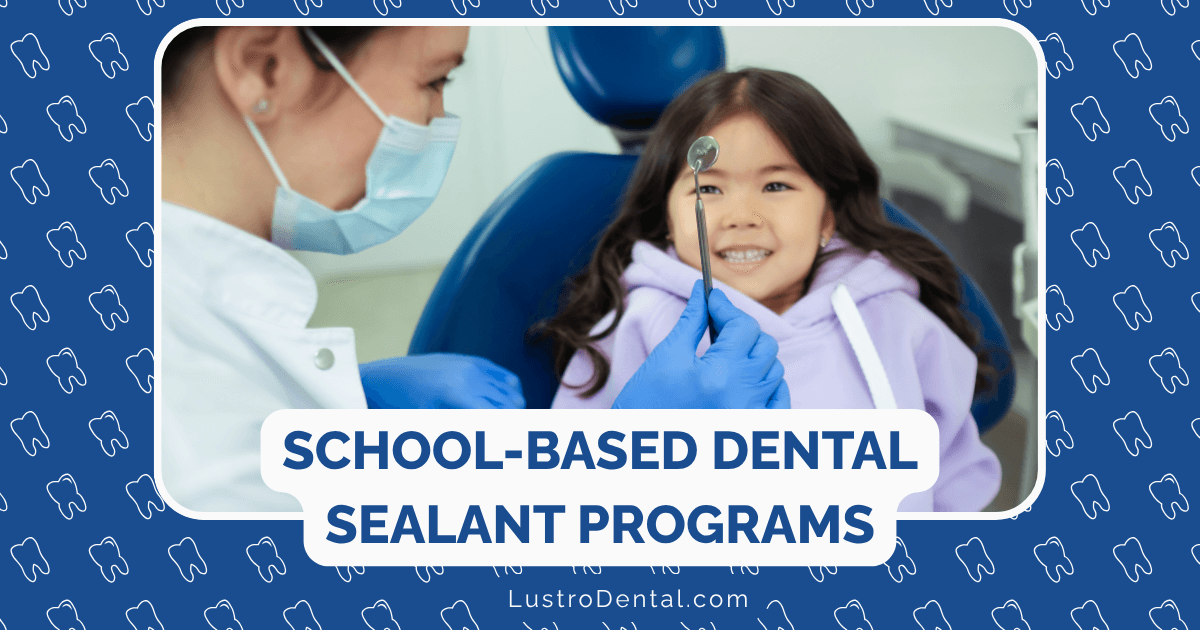
Dental sealants are thin, protective coatings made from plastic or other dental materials that are applied to the chewing surfaces of the back teeth (premolars and molars). These surfaces have natural pits and grooves where food particles and bacteria can hide, making them particularly vulnerable to decay.
Think of sealants as raincoats for your child’s teeth. Just as a raincoat keeps you dry during a downpour, sealants keep cavity-causing bacteria and food particles from settling into the grooves of teeth where they can cause damage.
The evidence supporting sealant effectiveness is overwhelming:
“Sealants are one of the most effective preventive treatments we have in dentistry,” notes Dr. Michael Chen of Mirror Lake Dental. “The chewing surfaces of molars are responsible for the majority of cavities in children, and sealants specifically target these vulnerable areas.”
Timing is crucial for maximum protection:
Many parents wonder what their child will experience during the sealant application. The procedure is quick, painless, and typically follows these steps:
“The entire process takes just a few minutes per tooth,” explains Dr. Rodriguez of Pediatric Dentist Houston. “Most children find it completely comfortable—there’s no drilling or numbing required.”
Sealants aren’t permanent, but they can provide protection for many years:
A 2025 study published in Scientific Reports found that replacing lost sealants significantly improves outcomes. Specifically, resealing at the first dental visit after sealant loss reduced decay experience to 25.30%, compared to 41.15% with no resealing.
While sealants provide a physical barrier against decay, fluoride works differently—it actually strengthens the tooth structure itself.
Professional fluoride treatments involve the application of a highly concentrated form of fluoride to the teeth. These treatments contain significantly more fluoride than what’s found in toothpaste or tap water and come in several forms:
Fluoride provides multiple benefits that help prevent tooth decay:
“Fluoride works like a vitamin for your teeth,” explains Dr. Emily Wilson, pediatric dentist. “Just as vitamins strengthen your body, fluoride strengthens tooth enamel, making it more resistant to the acid attacks that cause cavities.”
Scientific research strongly supports the benefits of fluoride:
Most dental professionals recommend:
Fluoride treatments are quick and simple:
“The entire process takes just a few minutes,” says Dr. Johnson. “Most children don’t mind the taste, especially with the flavored options available today.”
This is a common question among parents, and the answer is yes—when used as directed:
While both sealants and fluoride treatments are effective individually, they work even better together. Here’s why:
“I like to explain it this way,” says Dr. Chen. “Sealants are like putting a roof on your house to keep rain out, while fluoride is like weatherproofing the walls. You get the best protection when you do both.”
While sealants and fluoride treatments provide excellent protection, they work best as part of a comprehensive preventive strategy:
A newer preventive option gaining attention is Silver Diamine Fluoride (SDF). This liquid treatment combines silver, which has antimicrobial properties, with fluoride.
A landmark 2024 study published in JAMA Pediatrics found that SDF is as effective as dental sealants in preventing tooth decay in children. After following over 4,000 elementary school students for four years, researchers discovered:
The main drawback of SDF is that it can temporarily stain decayed areas of teeth black, though healthy enamel remains unaffected. For this reason, it’s often used on back teeth or in situations where aesthetics are less of a concern.
Many parents wonder about the financial aspects of preventive treatments:
Research consistently shows that preventive treatments are highly cost-effective:
While brushing is essential, it’s often not enough to completely prevent cavities, especially in children:
Both treatments have excellent safety profiles:
The best indicator is the absence of new cavities at dental check-ups. Your dentist will also:
Absolutely not! Dr. Wilson explains: “Preventive treatments are valuable for all children, including those who have already experienced decay. In fact, children with a history of cavities often benefit the most from these protective measures.”
While most children benefit from sealants and fluoride treatments, they’re especially important for:
Dental sealants and fluoride treatments represent one of the best investments you can make in your child’s oral health. These simple, painless procedures can prevent years of potential discomfort, complicated treatments, and significant expense.
As Dr. Johnson emphasizes, “The goal isn’t just cavity-free childhood—it’s establishing a foundation for lifelong oral health. Preventive treatments like sealants and fluoride help children maintain healthy teeth through the cavity-prone years, setting them up for dental success as adults.”
By combining these professional preventive treatments with good home care and regular dental visits, you’re giving your child the best possible chance for a lifetime of healthy smiles.
Has your child received sealants or fluoride treatments? Share your experience in the comments below!
Sealants are typically applied when permanent molars erupt—usually around ages 6 for first molars and 12 for second molars. However, they can be applied to any tooth with deep grooves at risk for decay.
No, the application of sealants is painless and requires no drilling or anesthesia. Most children find the process quick and comfortable.
Most dentists recommend professional fluoride treatments every 6 months during regular check-ups. Children at higher risk for cavities may benefit from more frequent applications, such as every 3-4 months.
While these treatments significantly reduce cavity risk, they don’t eliminate it entirely. Sealants only protect the chewing surfaces, and other areas of the teeth can still develop decay without proper oral hygiene and diet.
Yes, alternatives include silver diamine fluoride (SDF), glass ionomer sealants (which release fluoride), and more frequent professional cleanings. Your dentist can recommend the best options based on your child’s specific needs and tolerance levels.