Adjusting to New Dentures: Tips for a Smooth Transition
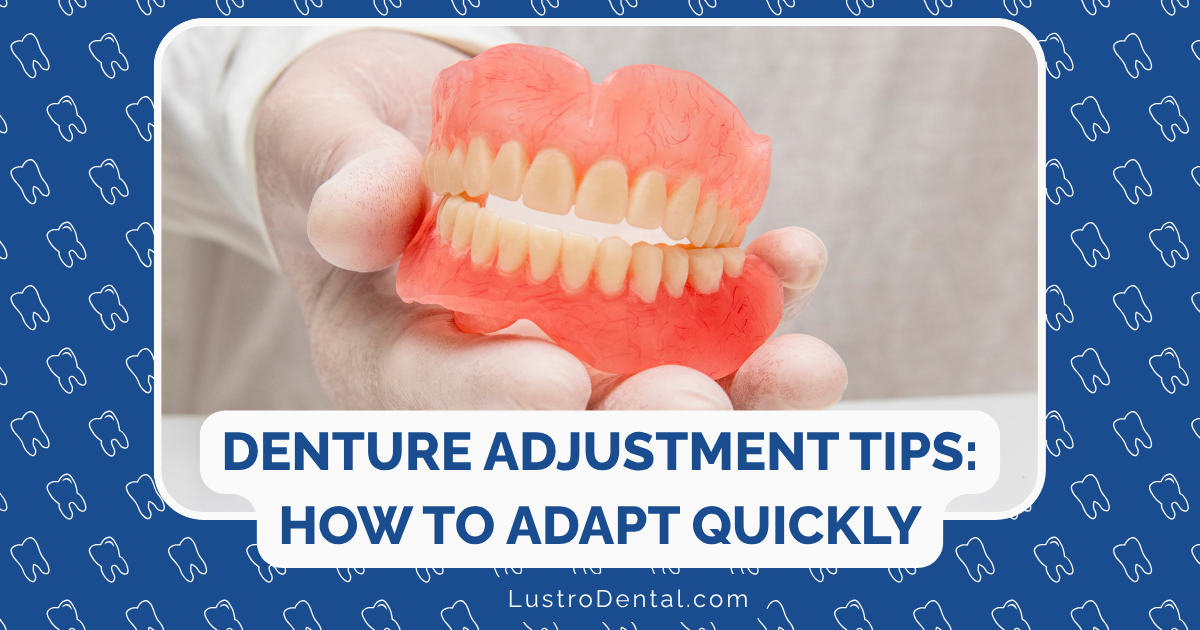
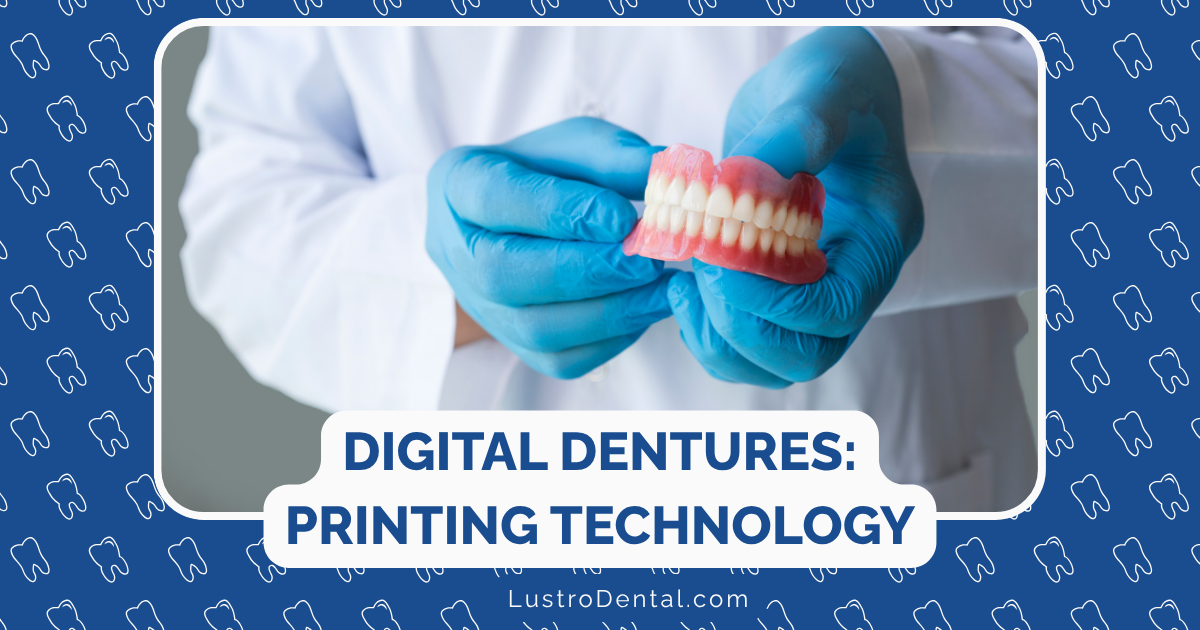
Getting new dentures is a significant step toward restoring your smile and oral function. But let’s be honest—the denture adjustment period can be challenging. As someone who’s guided countless patients through this transition, I’ve seen firsthand that the right approach can make all the difference between frustration and success.
The good news? With patience, practice, and the right techniques, you can adjust to your new dentures and get back to smiling, speaking, and eating with confidence. This guide will walk you through what to expect and provide practical tips to make your denture journey as smooth as possible.
First, let’s set realistic expectations. According to the American College of Prosthodontists, most people need about 30 days to fully adjust to new dentures. However, this timeline varies based on several factors:
Whether you’ve worn dentures before
How long you went without teeth
The type of dentures you received
Your individual oral anatomy
Here’s what a typical adjustment timeline looks like:
Days 1-7: Initial Adaptation
During the first week, you’ll likely experience:
A feeling that your dentures are too big or loose
Increased saliva production
Mild soreness in your gums
Difficulty speaking clearly
Challenges with eating even soft foods
This is completely normal! Your mouth is adjusting to a foreign object, and your brain is learning to work with this new oral environment.
Days 8-14: Growing Comfort
By the second week, many people notice:
Decreased saliva production
Improved ability to speak
More comfort with soft and moderately soft foods
Less overall awareness of the dentures
Days 15-30: Increasing Confidence
By the end of the first month, most denture wearers experience:
Significantly more comfort throughout the day
Clearer speech with fewer difficulties
Ability to eat a wider variety of foods
Less frequent sore spots
Dr. Sarah Johnson, a prosthodontist at Comprehensive Dental Care, notes: “The adjustment period is very individual. Some patients adapt within a couple of weeks, while others take a bit longer. The key is persistence and maintaining communication with your dental provider about any ongoing issues.”
Managing Physical Discomfort
Some discomfort is normal when adjusting to new dentures, but there are effective ways to minimize it:
Sore Spots and Irritation
Saltwater rinses: Dissolve ½ teaspoon of salt in 8 ounces of warm water and rinse 3-4 times daily to reduce inflammation and promote healing.
Over-the-counter pain relievers: Acetaminophen or ibuprofen can help manage discomfort (follow package directions).
Denture adhesive: A thin layer can provide cushioning and stability, reducing friction against sore spots.
Denture adjustments: If soreness persists beyond a few days, contact your dentist. Minor adjustments can make a significant difference in comfort.
Excess Saliva
Increased salivation is your mouth’s natural response to the new dentures. Try these approaches:
Stay hydrated: Counterintuitively, drinking more water can help normalize saliva production.
Sugarless gum or mints: These can help you manage excess saliva while your mouth adjusts.
Patience: This symptom typically resolves within the first two weeks as your body adapts.
According to research published in the Journal of Prosthodontics, over 90% of patients report normalized saliva production within 14 days of getting new dentures.
Mastering Speech With New Dentures
Many new denture wearers find speaking to be one of the biggest challenges. Here’s how to regain your natural speech patterns:
Practical Speaking Exercises
Read aloud: Spend 10-15 minutes each day reading aloud from a book or newspaper. This helps your tongue and lips adjust to forming words around your dentures.
Practice problematic sounds: Words with “s,” “f,” “th,” and “v” sounds are often challenging. Create a list of words with these sounds and practice them daily:
Sixty-six
Fishing
Thimble
Valentine
Sing in private: Singing engages different speech muscles and can help you adapt more quickly.
Speak slowly: Taking your time helps reduce clicking sounds and improves clarity.
Bite and swallow before speaking: This helps reposition your dentures for better stability during conversation.
Dr. Michael Chen of the Speech and Denture Institute suggests: “Record yourself speaking and listen to the playback. This helps you identify specific sounds that need more practice and track your improvement over time.”
Eating With Confidence
Adjusting to eating with dentures requires patience and technique. Follow these tips for a more comfortable dining experience:
The First Two Weeks: Starting Simple
Begin with soft foods: Yogurt, scrambled eggs, mashed potatoes, cooked vegetables, fish, pasta, and bananas are excellent starter foods.
Avoid temperature extremes: Very hot foods or drinks can feel much hotter with dentures, as your palate is partially covered.
Cut food into small pieces: Smaller bites require less chewing force.
Chew slowly and thoroughly: Take your time with each bite.
Use both sides of your mouth: Chew on both sides simultaneously to help stabilize your dentures.
Weeks 3-4: Expanding Your Menu
As you gain confidence, gradually introduce:
Softer fruits like peaches and ripe pears
Well-cooked meats cut into small pieces
Cooked vegetables with a bit more texture
Softer breads and cereals
Foods to Approach With Caution
Even with experienced denture use, these foods can be challenging:
Sticky candies and chewing gum
Tough meats like steak
Hard fruits and vegetables (apples, carrots) unless cut into small pieces
Nuts and seeds
Popcorn
Chewy breads like bagels
A 2023 study in the International Journal of Prosthodontics found that patients who followed a gradual food progression plan reported 60% higher satisfaction with their dentures at the three-month mark compared to those who attempted a normal diet immediately.
Denture Care and Oral Hygiene
Proper care of both your dentures and your mouth is essential for comfort and health:
Daily Denture Cleaning
Rinse after eating: Remove food particles by rinsing your dentures under running water after meals.
Brush daily: Use a soft-bristled denture brush and non-abrasive denture cleaner (not regular toothpaste, which can be too abrasive).
Soak overnight: Unless your dentist advises otherwise, soak dentures in water or a mild denture solution while you sleep to keep them from drying out and warping.
Handle with care: Clean your dentures over a folded towel or basin of water to prevent breakage if dropped.
Oral Hygiene Without Teeth
Even without natural teeth, oral hygiene remains important:
Brush your gums: Use a soft toothbrush or gauze to gently clean your gums, tongue, and palate morning and night.
Massage your gums: Gentle gum massage stimulates circulation and helps keep tissues healthy.
Stay hydrated: Drinking plenty of water helps prevent dry mouth, which can increase irritation and the risk of infection.
Dr. Lisa Rodriguez, a specialist in geriatric dentistry at Senior Dental Health, emphasizes: “Maintaining excellent oral hygiene is crucial for denture wearers. Bacteria can still cause gum disease and oral infections even without natural teeth, which can affect denture fit and comfort.”
Emotional Adjustment and Body Image
The psychological aspect of adjusting to dentures is often overlooked but equally important:
Managing Expectations
Understand that adaptation takes time: Don’t expect perfection immediately.
Recognize improvements: Keep a journal of your progress to see how far you’ve come.
Focus on the positives: Improved appearance, better nutrition, and clearer speech are all benefits worth celebrating.
Building Confidence
Practice smiling: Spend time in front of a mirror getting comfortable with your new smile.
Start with trusted company: Practice speaking and eating with close friends or family before venturing into more public settings.
Join support groups: Connect with others adjusting to dentures through online forums or local groups. The American Dental Association can help you find resources.
A 2024 quality-of-life study found that patients who received emotional support and practical guidance during the denture adjustment period reported significantly higher satisfaction and better adaptation outcomes.
When to See Your Dentist
While some adjustment challenges are normal, others warrant professional attention:
Schedule an Adjustment If:
Sore spots persist for more than a week
You develop persistent ulcers in your mouth
Your dentures click loudly when you talk
You have consistent difficulty chewing even after several weeks
Your dentures feel increasingly loose
You experience persistent gagging
Most dentists include several adjustment appointments in the cost of new dentures, so don’t hesitate to use these services. According to the Journal of Prosthetic Dentistry, most patients need 2-3 adjustments during the first month for optimal fit and comfort.
Success Stories: It Gets Better
Many patients find encouragement in hearing others’ experiences:
“The first week with my new dentures was challenging—I could barely eat applesauce without feeling awkward. But by week three, I was enjoying most of my favorite foods again. Six months later, I hardly think about them at all. The key was following my dentist’s advice and not giving up.” – Margaret, 67
“I was so self-conscious about speaking with my new dentures that I avoided phone calls. My dentist suggested reading children’s books aloud, and I started with just five minutes daily. Within two weeks, I noticed a dramatic improvement in my speech clarity. Now I lead conference calls without a second thought.” – James, 58
Conclusion: Patience Leads to Success
Adjusting to new dentures is undoubtedly a journey—one that requires patience, persistence, and proper technique. Remember that thousands of people successfully adapt to dentures every year, and with the right approach, you will too.
The most important takeaways:
Give yourself time—the full adjustment period typically takes about a month
Follow a gradual progression with foods
Practice speaking regularly
Maintain excellent oral hygiene
Stay in communication with your dental provider
By following these guidelines, you’ll be well on your way to comfortable, confident denture use. The initial challenges will fade, and you’ll soon be enjoying the benefits of your restored smile.