🦷 General Care
✨ Treatments
👶 Family Care
💚 Wellness
💡 Resources

🦷 General Care
✨ Treatments
👶 Family Care
💚 Wellness
💡 Resources

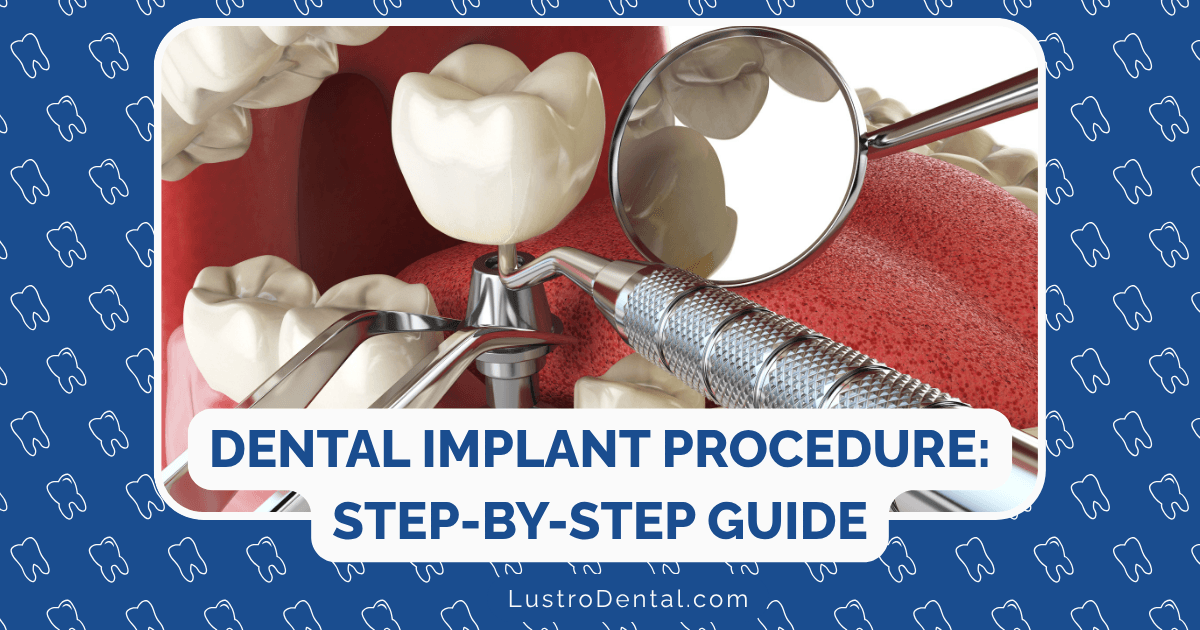
Dental implants have revolutionized tooth replacement, offering a solution that looks, feels, and functions like natural teeth. But for many patients contemplating this treatment, the surgical process can seem mysterious and perhaps a bit intimidating. As someone who’s guided many people through their dental implant journey, I’ve found that understanding each phase of the procedure can transform anxiety into confidence.
In this comprehensive guide, I’ll walk you through the entire dental implant process—from initial consultation to final restoration—breaking down each surgical phase in clear, straightforward terms. By the end, you’ll have a thorough understanding of what to expect at every step of your implant journey.
Before diving into the surgical phases, let’s clarify what a dental implant actually is. A complete dental implant consists of three main components:
According to the Mayo Clinic, dental implants provide a strong foundation for fixed or removable replacement teeth designed to match your natural teeth. Their success rate exceeds 95%, making them one of the most reliable dental procedures available.
Now, let’s explore each phase of the implant process in detail.
While not surgical, this critical phase sets the foundation for successful implant treatment.
During your initial consultation, your dental team will:
Dr. Sarah Johnson of Aurora Family Dentistry explains, “The planning phase is perhaps the most important part of the implant process. Using advanced imaging technology, we can precisely map the implant placement, avoiding vital structures like nerves and sinuses while ensuring optimal positioning for function and aesthetics.”
This phase typically requires 1-2 appointments over several weeks, depending on the complexity of your case.
Some patients require preparatory procedures before implant placement.
Depending on your specific situation, this phase might include:
If you still have a damaged tooth in the implant site, it will need to be removed. In some cases, an implant can be placed immediately after extraction (immediate placement), while in others, the site needs time to heal first (delayed placement).
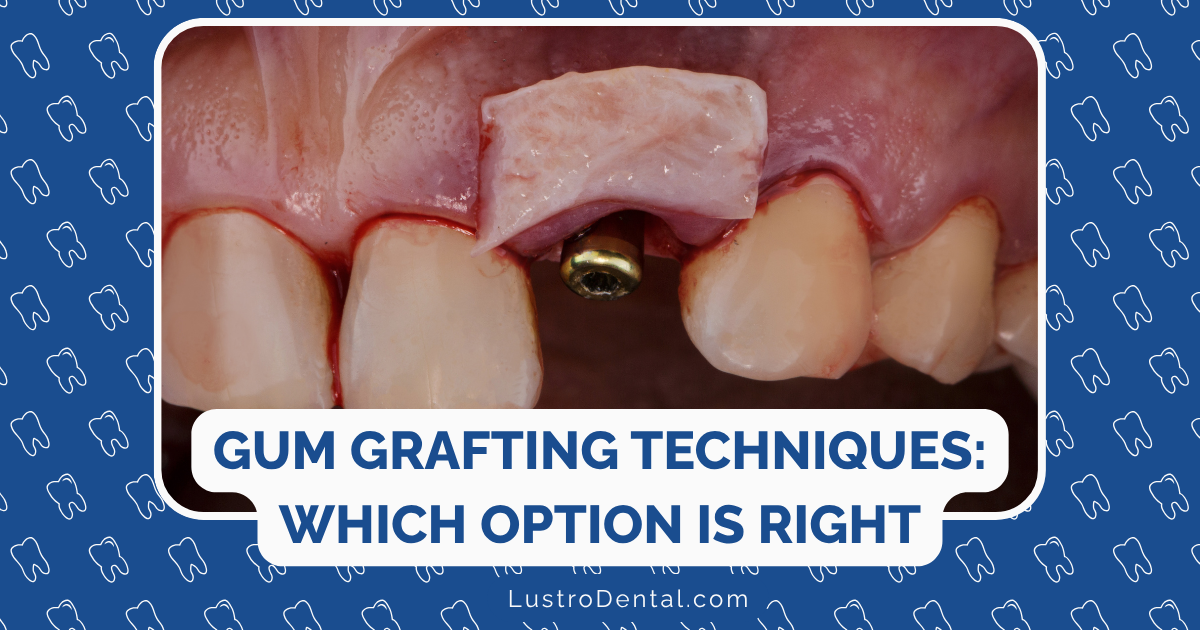
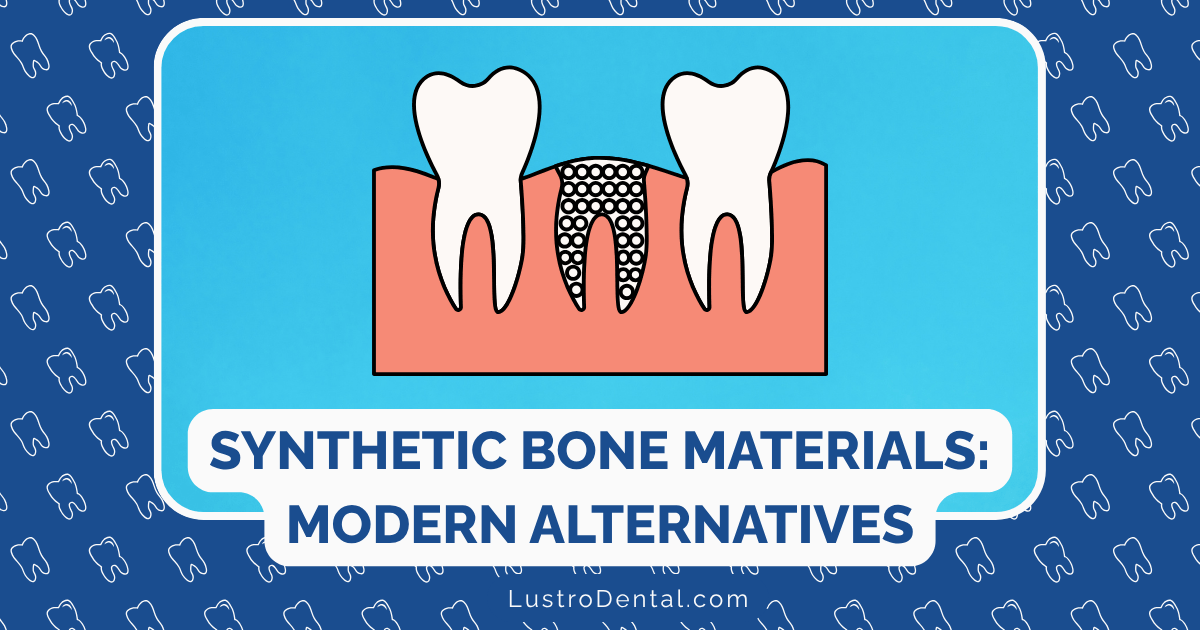
If your jawbone lacks sufficient volume or density to support an implant, bone grafting may be necessary. This procedure adds bone material to your jaw, creating a stronger foundation for the implant.
According to research published in the Journal of Oral and Maxillofacial Surgery, implants placed after bone augmentation have similar success rates to those placed in natural bone—over 98% survival rate in both cases.
For upper jaw implants, you might need a sinus lift if there isn’t enough bone height or if the sinuses are too close to the jaw.
Dr. Michael Chen of Omega Dentists notes, “While preliminary procedures extend the overall treatment timeline, they’re essential for creating the optimal environment for implant success. Rushing this foundation-building phase can compromise long-term results.”
This is the first major surgical phase where the implant post is placed into the jawbone.
Dr. Lisa Wong of DW Dentist Kellyville explains, “Modern implant surgery is incredibly precise. Using computer-guided techniques, we can place implants with sub-millimeter accuracy, optimizing both functional and aesthetic outcomes.”
The surgical procedure typically takes 1-2 hours per implant. Most patients report that the procedure is much more comfortable than they anticipated.
This crucial healing phase is when the implant fuses with your jawbone.
Osseointegration is the biological process where your jawbone cells grow onto and around the titanium implant surface, effectively integrating it into your body. This creates the strong, stable foundation necessary for your replacement tooth.
During this period:
According to the American Academy of Implant Dentistry, this biological bonding process is what gives dental implants their exceptional stability and longevity.
During this waiting period, you’ll typically wear a temporary restoration (like a flipper denture or temporary crown) if the implant is in a visible area.
Once osseointegration is complete, the second surgical phase begins—placing the abutment that will connect the implant to the crown.
The abutment placement procedure typically takes 30-60 minutes. Some modern protocols combine implant and abutment placement into a single procedure, eliminating this second surgery.
The final phase involves placing the visible portion of your implant—the crown, bridge, or denture.
Dr. James Miller of Dr. Silman Smile Spa emphasizes, “The final restoration phase is where art meets science. While the surgical phases create the foundation, the restoration is what determines how natural your new tooth will look and feel.”
This phase typically requires 1-3 appointments over 2-4 weeks, depending on the complexity of the restoration.
The entire dental implant process typically spans several months:
In total, the process usually takes 4-9 months for straightforward cases and up to 12-18 months for complex cases requiring extensive preliminary procedures.
According to a 2025 study published in Clinical and Experimental Dental Research analyzing over 50,000 dental implants, the overall success rate exceeds 98%. With proper care, dental implants can last decades—many last a lifetime.
Factors that influence success include:
While dental implant surgery is highly predictable, being aware of potential complications is important:
According to Alpine Dental, most complications can be effectively managed when caught early, which is why regular follow-up appointments are essential.
Proper care after each surgical phase is crucial for implant success:
Dental implants are an excellent option for most people with missing teeth, but they’re not for everyone. Ideal candidates:
If you have certain medical conditions like uncontrolled diabetes or are taking medications that affect bone healing, special considerations may apply.
The dental implant procedure is a journey—one that requires patience but offers remarkable rewards. By understanding each surgical phase, you can approach the process with confidence rather than apprehension.
While the timeline may seem lengthy, remember that dental implants are designed to last decades, possibly a lifetime. The investment of time yields a replacement tooth that’s virtually indistinguishable from natural teeth in both form and function.
If you’re considering dental implants, I encourage you to have an in-depth conversation with your dental provider about your specific situation. Each patient’s journey is unique, and your treatment plan should be tailored to your individual needs and goals.
Have you had dental implant surgery or are you considering it? Share your questions or experiences in the comments below to help others on their implant journey.