🦷 General Care
✨ Treatments
👶 Family Care
💚 Wellness
💡 Resources

🦷 General Care
✨ Treatments
👶 Family Care
💚 Wellness
💡 Resources

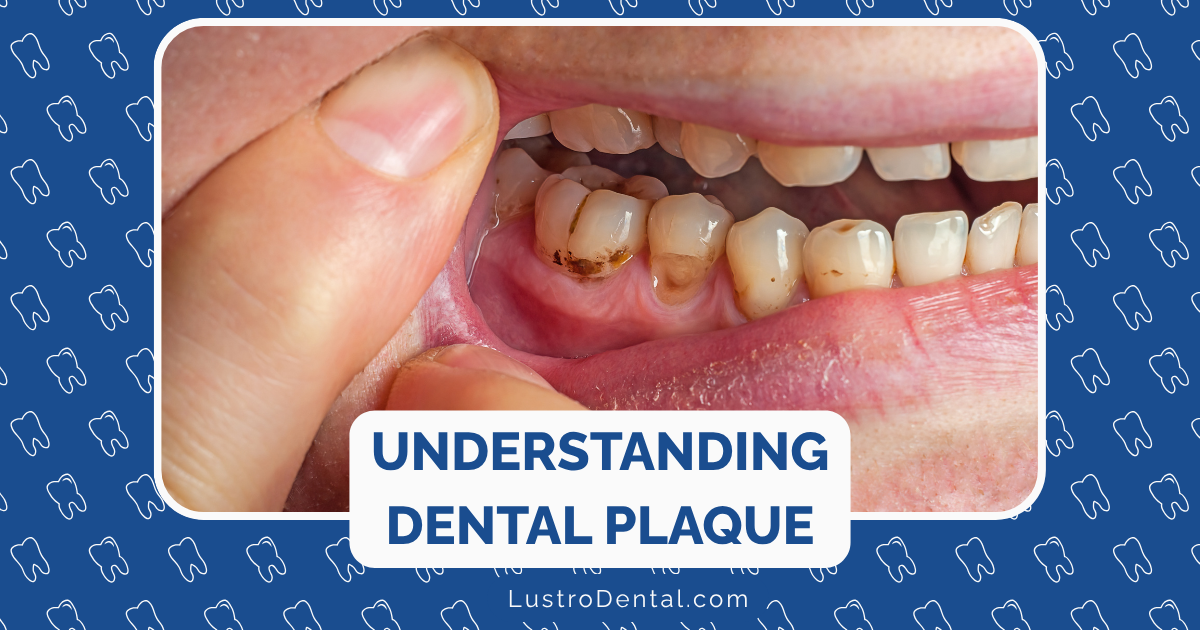
Every day, a battle is waging in your mouth that you might not even realize is happening. The main antagonist? Dental plaque—a sticky, colorless film of bacteria that constantly forms on your teeth and along your gumline. While it may seem harmless, this silent troublemaker is the precursor to many oral health issues, from cavities to gum disease and beyond.
The good news is that with the right knowledge and tools, you can keep plaque in check and protect your smile for years to come. In this comprehensive guide, we’ll explore what dental plaque is, why it’s problematic, and most importantly, effective strategies to prevent and remove it—including some innovative approaches you might not have considered before.
Before we dive into solutions, it’s important to understand exactly what we’re dealing with when we talk about dental plaque.
Dental plaque is a biofilm—a community of bacteria embedded in a sticky matrix that adheres to tooth surfaces. This biofilm begins forming on clean teeth within minutes after brushing, starting with a thin layer of salivary proteins called the pellicle. Bacteria then attach to this layer and multiply, creating the structured community we know as plaque.
Under a microscope, plaque reveals itself as a complex ecosystem containing hundreds of different bacterial species living in a highly organized structure. Some of these bacteria are relatively harmless, while others can cause significant damage to your teeth and gums when allowed to accumulate.
Understanding these basic characteristics helps explain why plaque requires daily attention and why a multi-faceted approach to prevention and removal is necessary for optimal oral health.
Dental plaque isn’t just an aesthetic concern—it’s a significant threat to your oral and overall health when left unchecked.
Certain bacteria in plaque, particularly Streptococcus mutans, feed on sugars and starches from your diet and produce acids as a byproduct. These acids attack tooth enamel, dissolving the minerals that make your teeth strong and creating cavities.
The process begins with demineralization—small, white spots on your teeth that indicate mineral loss. Without intervention, this progresses to actual cavities that require professional treatment.
When plaque accumulates along the gumline, the bacteria trigger an inflammatory response in your gum tissue, leading to gingivitis—the earliest stage of gum disease. Signs include:
At this stage, the damage is reversible with proper oral hygiene and professional cleaning.
If gingivitis is left untreated, the inflammation can progress to periodontitis, a more serious form of gum disease that affects the supporting structures of your teeth:
According to the Centers for Disease Control and Prevention, nearly half of adults over 30 in the United States have some form of periodontal disease.
If plaque remains on teeth for too long (typically 24-72 hours), it can harden into dental calculus or tartar—a mineralized form of plaque that firmly attaches to tooth surfaces and can only be removed by a dental professional.
Tartar provides an even rougher surface for more plaque to adhere to, creating a vicious cycle of accumulation.
Research increasingly suggests links between oral bacteria from plaque and various systemic health conditions:
A study published in the Journal of the American Heart Association found that the presence of certain oral bacteria was associated with a higher risk of atherosclerosis, highlighting the potential far-reaching consequences of what begins as simple dental plaque.
Understanding how plaque forms can help you target your prevention efforts more effectively.
Your mouth naturally contains hundreds of species of bacteria in a complex ecosystem known as the oral microbiome. In a healthy mouth, beneficial bacteria help keep potentially harmful species in check through competition for resources and production of compounds that inhibit pathogenic growth.
However, factors like poor diet, certain medications, and even some traditional oral care products can disrupt this balance, allowing plaque-forming and acid-producing bacteria to flourish.
Research published in the Journal of Dental Research suggests that maintaining a balanced oral microbiome may be as important for plaque control as mechanical removal through brushing and flossing.
The foundation of plaque control has traditionally rested on mechanical removal and chemical control.
For those with larger spaces between teeth or dental work like bridges:
A systematic review in the Journal of Clinical Periodontology found that combining brushing with interdental cleaning reduces plaque by up to 35% more than brushing alone.
Fluoride strengthens tooth enamel, making it more resistant to acid attacks from plaque bacteria. The American Dental Association recommends toothpaste containing 1000-1500 ppm fluoride for most adults.
Xylitol is a natural sweetener that inhibits the growth of Streptococcus mutans, one of the primary plaque-forming bacteria. It’s available in:
Research in the Journal of the American Dental Association suggests that regular xylitol use can reduce plaque formation and cavity development.
While traditional methods focus on removing or killing bacteria, newer approaches recognize the importance of bacterial balance in the mouth. This paradigm shift has led to innovative solutions that work with your body’s natural defenses rather than against them.
Many conventional oral care products take a “scorched earth” approach, using broad-spectrum antimicrobials that kill both harmful and beneficial bacteria. This can temporarily reduce plaque but may disrupt the oral microbiome’s natural balance, potentially leading to:
Oral probiotics introduce beneficial bacteria to help restore and maintain a healthy balance in the oral microbiome. Unlike traditional approaches that indiscriminately kill bacteria, probiotics work by:
ProDentim represents an innovative approach to plaque control through oral microbiome support. Each tablet contains 3.5 billion CFUs (colony-forming units) of beneficial bacteria specifically selected for their roles in oral health:
The formula also includes inulin, a prebiotic fiber that selectively feeds beneficial bacteria, helping them establish and thrive in the oral environment.
Many users report that regular use of ProDentim results in:
A study published in the Journal of Applied Oral Science found that certain probiotic strains could reduce plaque formation by up to 20% compared to placebo, suggesting that this approach offers a valuable complement to traditional plaque control methods.
Prebiotics are compounds that selectively feed beneficial bacteria, helping them thrive and outcompete harmful species. In addition to the inulin found in ProDentim, other sources of oral prebiotics include:
Incorporating these elements into your diet or oral care routine can help support a balanced oral microbiome that naturally resists plaque formation.
The acidity of your mouth plays a crucial role in plaque formation and tooth demineralization. After eating or drinking, particularly acidic or sugary items, your mouth becomes more acidic—creating an environment that favors harmful bacteria and accelerates enamel damage.
Several approaches can help maintain a more neutral pH:
By combining these modern, microbiome-focused approaches with traditional mechanical and chemical methods, you can create a comprehensive strategy for plaque control that addresses the root causes of the problem.
Even with excellent home care, professional dental intervention remains essential for optimal plaque control.
The American Dental Association recommends professional dental cleanings at intervals determined by your dentist—typically every six months for most people, though some may benefit from more frequent visits.
During professional cleanings, dental hygienists:
Seek dental care promptly if you notice:
For more established plaque-related problems, your dentist might recommend:
Also known as a “deep cleaning,” this procedure:
For persistent or severe cases:
After addressing existing problems, your dentist will establish a maintenance schedule to prevent recurrence, which may include:
Plaque control needs and challenges vary throughout life, requiring tailored approaches for different age groups.
Children are particularly vulnerable to plaque-related problems due to:
Effective strategies include:
Hormonal changes during pregnancy can increase susceptibility to plaque-related problems:
Recommendations:
Aging brings unique challenges to plaque control:
Helpful approaches:
Misinformation about plaque is common. Let’s separate fact from fiction:
Fact: Fresh plaque is colorless and can only be seen when it accumulates significantly. Disclosing tablets or rinses that temporarily stain plaque can reveal its presence even when invisible to the naked eye.
Fact: While antimicrobial mouthwashes can help kill bacteria, they cannot effectively remove established plaque. Mechanical cleaning through brushing and flossing is essential.
Fact: Brushing too hard can damage gums and enamel without removing more plaque. Gentle, thorough brushing with proper technique is more effective and safer.
Fact: While sugar is a primary food source for plaque bacteria, many sugar-free foods contain carbohydrates that can still be broken down into simple sugars in the mouth.
Fact: Plaque begins reforming within minutes after cleaning. Daily home care is essential even after professional treatment.
Fact: While some natural approaches may offer benefits, they should complement rather than replace proven methods of mechanical plaque removal.
Fact: The oral microbiome naturally includes bacteria that form biofilms on teeth. It’s the imbalance and overgrowth of certain species that leads to problems, not the mere presence of bacteria.
Dental plaque may be a silent troublemaker, but with the right approach, you can keep it in check and protect your oral health for years to come. An effective plaque control strategy combines traditional methods with modern, microbiome-focused approaches:
By combining these approaches, you’re not just fighting plaque—you’re creating an oral environment where harmful plaque has difficulty forming in the first place. This comprehensive strategy addresses both the symptoms and the root causes of plaque-related problems.
Remember that consistency is key. Even the most advanced tools and products can only be effective when used regularly as part of a thoughtful oral care routine. With diligence and the right approaches, you can keep dental plaque in check and maintain a healthy, confident smile.
Have you tried innovative approaches to plaque control like oral probiotics? Share your experience in the comments below!
While you can’t completely prevent plaque formation (it’s a natural process), you can minimize it and remove it before it causes problems through:
No single method removes 100% of plaque, but studies show that combining methods significantly improves results. For example:
Once plaque hardens into tartar (typically after 24-72 hours), it cannot be safely or effectively removed at home. Professional dental cleaning is the only reliable method for tartar removal. However, you can:
While no product can completely dissolve established plaque, several can help loosen and disrupt it:
However, mechanical removal through brushing and flossing remains essential. The most effective approach combines mechanical removal with products that create an environment less favorable to plaque formation, such as ProDentim’s probiotic formula.