🦷 General Care
✨ Treatments
👶 Family Care
💚 Wellness
💡 Resources

🦷 General Care
✨ Treatments
👶 Family Care
💚 Wellness
💡 Resources

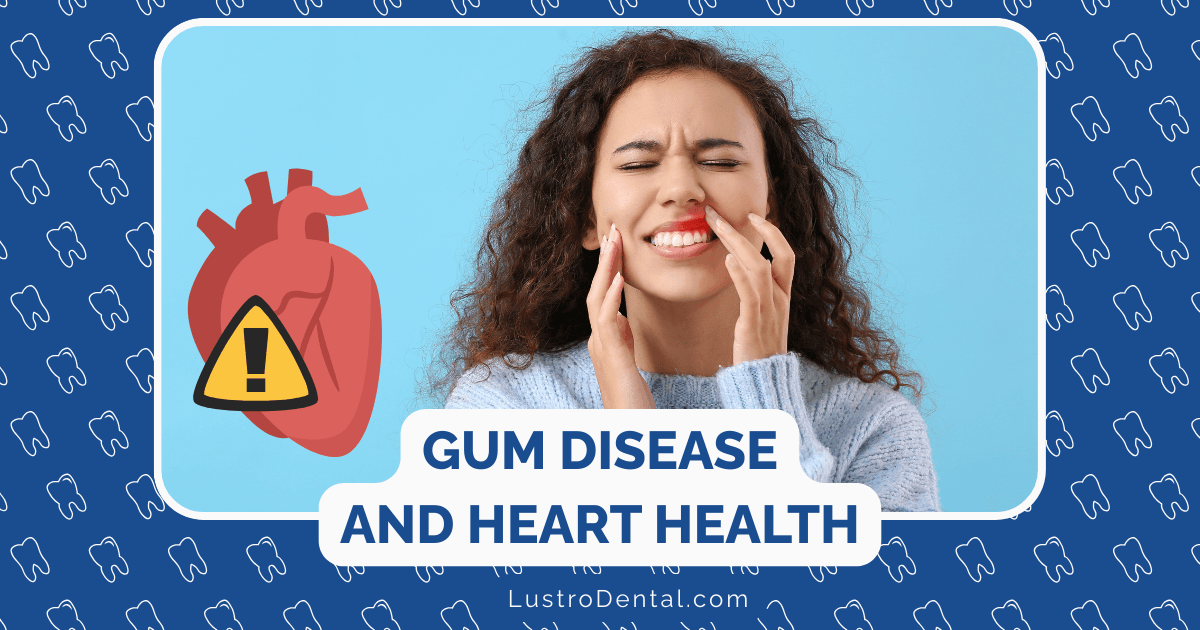
When you think about heart disease prevention, you probably consider exercise, a healthy diet, and regular check-ups with your cardiologist. But there’s another healthcare professional who might play a surprisingly important role in your heart health: your dentist.
The connection between your mouth and heart might seem unlikely at first glance. After all, they’re separated by quite a distance in the body. However, mounting evidence suggests that what happens in your gums doesn’t stay in your gums—it can have profound implications for your cardiovascular system.
Gum disease, also known as periodontal disease, affects nearly half of American adults over 30, with that number jumping to about two-thirds of people over 65. What starts as simple inflammation (gingivitis) can progress to periodontitis, where the gums pull away from the teeth, forming pockets that become infected.
But here’s the alarming part: people with periodontal disease are approximately twice as likely to have a heart attack compared to those with healthy gums. This isn’t just coincidence—it represents a significant health connection that researchers have been investigating for decades.
Dr. Thomas Van Dyke, senior member of staff at the Forsyth Institute, explains: “The mouth can be a good warning sign. If we have inflammation in the gums, it’s very likely that we have inflammation developing in other parts of the body.”
The relationship between periodontal disease and cardiovascular problems works through several pathways:
The mouth harbors over 700 species of bacteria. When gum disease is present, these bacteria don’t necessarily stay put. Research published in the Journal of Oral Microbiology has found oral bacteria in atherosclerotic plaques—the fatty deposits that clog arteries and lead to heart attacks.
When your gums are inflamed and bleeding, they provide an entry point for these bacteria to enter your bloodstream. Once there, they can travel throughout your body, potentially attaching to blood vessels and contributing to arterial plaque formation.
Perhaps the most significant connection between gum disease and heart health is inflammation.
“Inflammation is the body’s natural response to injury or infection,” says Dr. Sarah Jenkins, cardiologist at Cleveland Clinic. “But when inflammation becomes chronic, as it does with untreated gum disease, it can damage blood vessels and increase the risk of atherosclerosis.”
A 2023 study published in JAMA Network Open found that people with periodontal disease had elevated levels of inflammatory markers in their blood, including C-reactive protein (CRP), which is associated with increased cardiovascular risk.
Some of the connection between oral health and heart disease may be explained by shared risk factors:
However, even when accounting for these shared factors, research still finds an independent association between gum disease and cardiovascular risk.
The scientific evidence supporting this mouth-heart connection continues to grow:
Dr. Michael Roberts, periodontist and researcher at the University of North Carolina, notes: “While we can’t yet say with absolute certainty that treating gum disease will prevent heart attacks, the association is strong enough that maintaining good oral health should be considered an important part of heart disease prevention.”
Being aware of the symptoms of gum disease can help you address problems before they affect your heart. Watch for:
If you notice any of these symptoms, it’s important to see your dentist promptly. Early intervention can prevent progression to more serious forms of gum disease.
The good news is that gum disease is largely preventable and treatable. Here are evidence-based strategies to maintain oral health and potentially reduce your cardiovascular risk:
Schedule professional cleanings and check-ups at least twice yearly. Your dentist can detect early signs of gum disease before you notice symptoms and provide specialized cleaning (scaling and root planing) if needed.
Regular medical check-ups to monitor blood pressure, cholesterol, and blood sugar are essential, especially if you have gum disease.
If you already have periodontal disease, effective treatments include:
Dr. Elizabeth Chen, periodontist at the University of California, emphasizes: “While treating gum disease hasn’t been definitively proven to reduce heart attacks, improving oral health is beneficial for overall health and quality of life.”
Exciting developments are on the horizon. Researchers are investigating compounds called resolvins, which show promise in treating inflammation-associated diseases like periodontitis and atherosclerosis.
Additionally, scientists are exploring how the oral microbiome—the community of bacteria in the mouth—influences systemic health, potentially leading to new preventive strategies and treatments.
The mouth-heart connection reminds us that our body functions as an integrated system. What affects one part can impact another, sometimes in surprising ways.
By maintaining good oral hygiene, seeing your dentist regularly, and addressing gum disease promptly, you’re not just protecting your smile—you may be safeguarding your heart as well.
Remember: while the exact nature of the relationship between oral health and heart disease continues to be studied, taking care of your gums is a relatively simple step that may contribute to better cardiovascular health.
Your heart and your smile will thank you.
Have you experienced gum problems or heart issues? Share your experiences in the comments below, and don’t forget to schedule your next dental check-up!