🦷 General Care
✨ Treatments
👶 Family Care
💚 Wellness
💡 Resources

🦷 General Care
✨ Treatments
👶 Family Care
💚 Wellness
💡 Resources

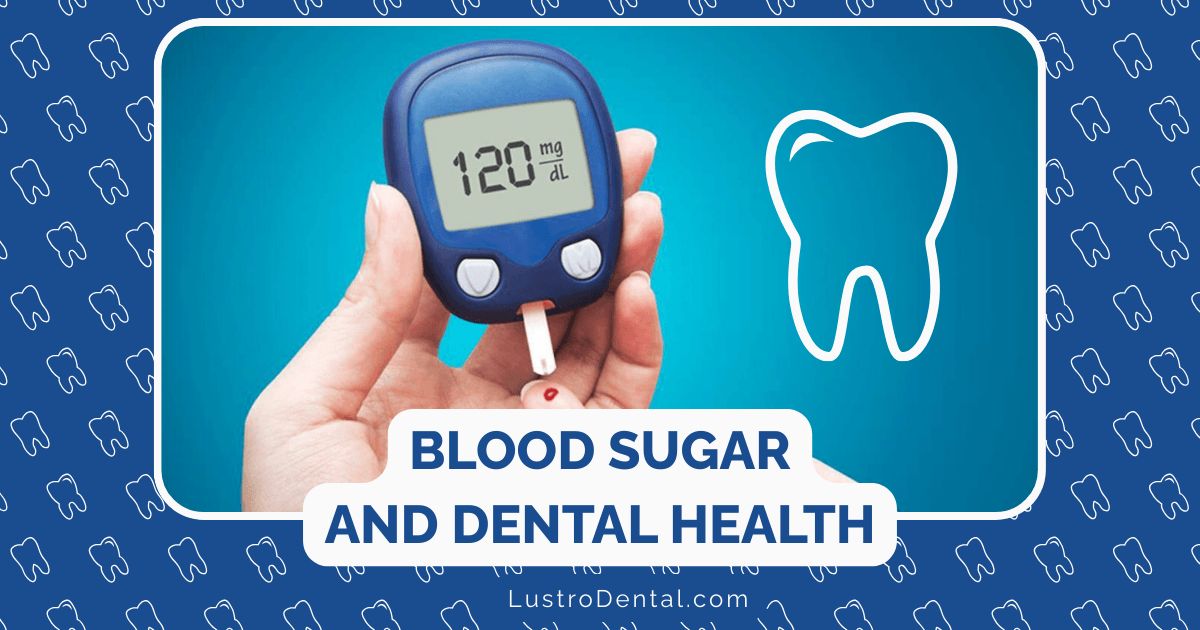
When it comes to dental procedures, successful outcomes depend on many factors—the dentist’s skill, the materials used, and the patient’s aftercare routine. But there’s another critical factor that often goes overlooked: blood sugar control. For the millions of people living with diabetes—and even those with prediabetes or undiagnosed high blood sugar—glycemic control can significantly impact how well and how quickly the body heals after dental treatments.
This connection between blood glucose levels and dental healing isn’t just theoretical—it’s backed by substantial scientific evidence. Let’s explore how blood sugar affects dental treatment outcomes and what both patients and practitioners can do to optimize healing.
To understand how blood sugar affects healing, we first need to understand the normal healing process. When tissue is damaged during dental procedures—whether it’s a simple extraction, periodontal surgery, or implant placement—the body initiates a complex, coordinated healing response that includes:
Each of these phases requires precise timing and coordination of various cells, growth factors, and signaling molecules.
“Hyperglycemia—or high blood sugar—throws a wrench into this finely tuned healing machinery,” explains Dr. Sarah Johnson, endocrinologist at Mayo Clinic. “It affects virtually every aspect of the healing process, from the cellular level to the tissue level.”
Research published in 2025 in the Journal of Molecular Medicine identifies several key mechanisms through which elevated blood glucose impairs healing:
Normally, inflammation is a necessary and beneficial part of early healing. However, in hyperglycemic conditions, inflammation becomes excessive and prolonged.
“Diabetic wounds often remain stuck in the inflammatory phase,” notes Dr. Michael Chen, periodontist at the University of California. “Instead of transitioning to tissue repair, the persistent inflammation actually damages surrounding healthy tissue and delays healing.”
A 2025 study in the Journal of Clinical Periodontology found that diabetic patients with poor glycemic control (HbA1c ≥ 8%) showed significantly higher levels of pro-inflammatory cytokines in extraction sockets compared to those with good control (HbA1c 8%) showed significantly higher implant failure rates
“Osseointegration requires precise cellular communication between the implant surface and bone-forming cells,” explains Dr. Wong. “High blood sugar disrupts this communication, potentially leading to implant failure.”
Procedures to treat gum disease, such as scaling and root planing or gum grafting, also show differential outcomes based on blood sugar control.
A 2025 study in the Journal of Periodontology demonstrated that:
Beyond specific procedures, blood sugar control affects overall oral health outcomes. A 2025 nationwide survey published in the Journal of Korean Medical Science found that:
Based on the current research, here are the general guidelines for blood sugar targets around dental procedures:
“For elective procedures, especially implants or extensive surgeries, we generally recommend postponing treatment until blood sugar is better controlled if the HbA1c is above 8%,” advises Dr. Wong. “The risks of complications and failure simply outweigh the benefits in many cases.”
Maintaining stable blood sugar during the healing period is just as important as pre-procedure control:
“Glycemic variability—the ups and downs of blood sugar—can be particularly harmful during healing,” notes Dr. Johnson. “Each spike causes a burst of inflammation and oxidative stress that sets back the healing process.”
Recent research is exploring innovative approaches to improve dental healing in patients with elevated blood sugar:
“We’re seeing promising results with the topical application of growth factors like platelet-derived growth factor (PDGF) and vascular endothelial growth factor (VEGF),” notes Dr. Thompson. “These can help compensate for the reduced levels naturally found in diabetic wounds.”
A 2025 clinical trial showed that application of PDGF gel to extraction sockets in diabetic patients improved healing rates by 37% compared to standard care.
Since oxidative stress plays a major role in impaired healing, researchers are investigating antioxidant treatments:
“Local application of antioxidants like N-acetylcysteine has shown potential in neutralizing the harmful effects of reactive oxygen species in diabetic wounds,” explains Dr. Wong.
Compounds that prevent or break down advanced glycation end products are being studied for their potential to improve healing:
“Agents like aminoguanidine have shown promise in animal studies for improving bone healing in diabetic conditions,” says Dr. Chen. “We’re hopeful that human trials will demonstrate similar benefits.”
Dental professionals are developing adapted surgical approaches specifically for patients with diabetes:
Interestingly, the relationship between blood sugar and dental health works both ways. Not only does blood sugar affect dental healing, but dental health—particularly periodontal status—affects blood sugar control.
“It’s a two-way street,” explains Dr. Johnson. “Periodontal disease increases systemic inflammation, which can worsen insulin resistance and make diabetes harder to control.”
A 2025 systematic review published in PMC found that effective periodontal treatment can improve glycemic control:
This bidirectional relationship creates a potential virtuous cycle: better blood sugar control improves dental healing, and better dental health contributes to improved blood sugar control.
The relationship between blood sugar control and dental healing highlights the need for collaborative care between dental professionals and diabetes care providers.
“The old model of separate silos for medical and dental care doesn’t serve patients well,” emphasizes Dr. Wong. “We need integrated approaches where dental professionals understand diabetes management, and medical professionals recognize the importance of oral health.”
For patients, this means being proactive about sharing information between your healthcare providers and taking an active role in managing both your oral health and blood sugar levels.
The good news is that with proper attention to blood sugar control, even patients with diabetes can achieve excellent outcomes from dental treatments. The key is awareness, preparation, and communication between all members of the healthcare team.
By understanding how blood sugar affects dental healing and taking steps to optimize glycemic control, both patients and practitioners can work together to ensure the best possible outcomes from dental treatments—creating smiles that are not only beautiful but built on a foundation of good health.
Are you managing diabetes while undergoing dental treatment? Share your experiences or questions in the comments below!