That Metallic Taste in Your Mouth: What It Means and When to Be Concerned
Have you ever experienced that strange, penny-like taste in your mouth that seems to appear out of nowhere? That metallic sensation can be both unpleasant and concerning, affecting everything from your morning coffee to your favorite meals. Known medically as dysgeusia, a metallic taste in the mouth is a relatively common issue that affects many people at some point in their lives.
While often temporary and harmless, this peculiar taste can sometimes signal underlying health conditions that deserve attention. In this comprehensive guide, we’ll explore the various causes of metallic taste, effective remedies to address it, and importantly, when you should consult a healthcare professional about this symptom.
When you experience a metallic taste, your taste perception system is being affected in specific ways. Understanding the science behind this phenomenon helps explain why so many different factors can cause this same distinctive sensation.
The Science of Taste
Your ability to taste involves a complex interplay of:
Taste buds: Specialized receptors on your tongue, soft palate, and throat
Olfactory system: Your sense of smell, which significantly influences taste perception
Cranial nerves: Transmit taste and smell information to your brain
Saliva: Dissolves food particles and carries them to taste receptors
Taste buds can detect five primary tastes: sweet, sour, salty, bitter, and umami (savory). A metallic taste is often described as a combination of bitter and sour sensations.
How Metallic Taste Occurs
A metallic taste can develop through several mechanisms:
Actual metal ions in saliva: Sometimes, tiny amounts of metal from dental work, cookware, or other sources dissolve in saliva
Altered taste perception: Damage or changes to taste buds or the nerves that transmit taste information
Chemical changes in saliva: Shifts in saliva composition that affect how taste receptors function
Retronasal olfaction: Smelling certain compounds through the back of your nose, which your brain interprets as taste
According to research published in the Journal of Dental Research, even minute changes in your oral environment can trigger significant alterations in taste perception, including the development of metallic taste.
Common Causes: Why You’re Tasting Metal
Metallic taste can stem from numerous sources, ranging from simple everyday factors to more complex health issues.
Oral Health Factors
Poor Oral Hygiene
Plaque buildup: Accumulation of bacteria can alter taste perception
Gingivitis and periodontitis: Gum inflammation releases compounds that can taste metallic
Oral infections: Tooth abscesses or oral thrush (candidiasis)
Middle ear infections: Can affect the chorda tympani nerve, which carries taste information
Nutritional Deficiencies
Vitamin B12 deficiency: Affects nerve function, including taste nerves
Zinc deficiency: Critical for proper taste function
Iron deficiency anemia: Can cause inflammation of the tongue and taste alterations
Digestive System Disorders
Acid reflux (GERD): Stomach acid reaching the mouth can create a sour, metallic taste
Liver or kidney disease: Affects the body’s ability to filter toxins, which can alter taste
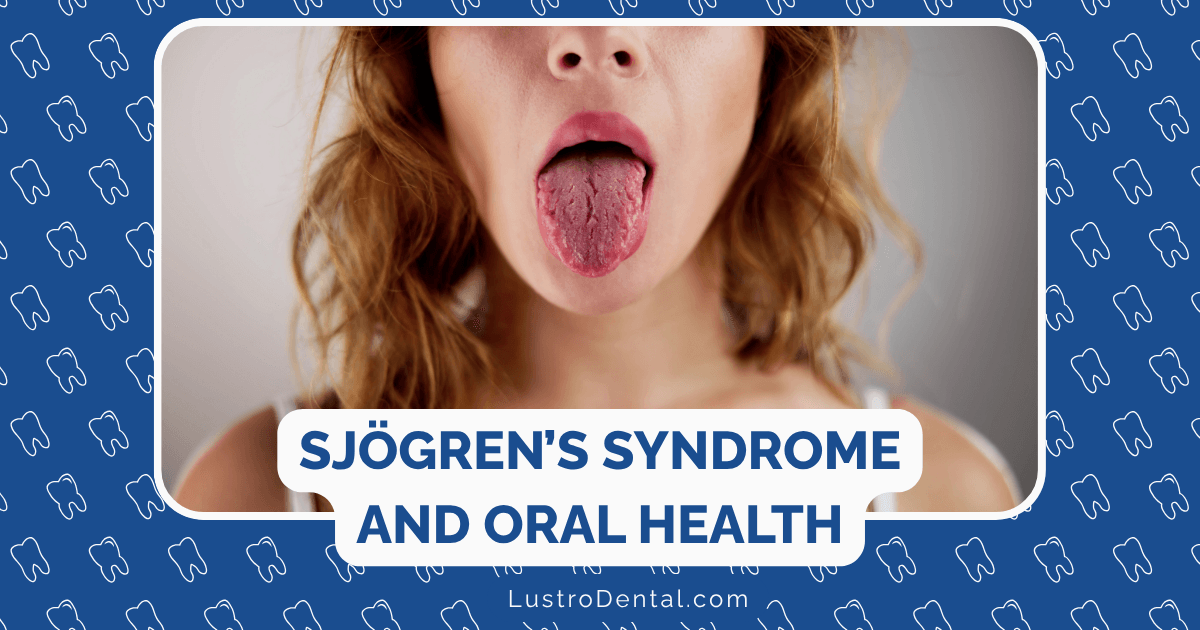
Sjögren’s syndrome: An autoimmune disorder that reduces saliva production
Neurological Conditions
Bell’s palsy: Facial nerve paralysis that can affect taste perception
Multiple sclerosis: Can damage nerves involved in taste
Alzheimer’s and Parkinson’s diseases: Often associated with taste disturbances
Other Systemic Conditions
Diabetes: Metabolic changes and dry mouth can affect taste
Hypothyroidism: Slowed metabolism can alter taste perception
Cancer: Both the disease itself and treatments can cause taste changes
According to the American Academy of Otolaryngology-Head and Neck Surgery, approximately 200,000 Americans visit a doctor each year for taste disorders, including metallic taste, with many cases linked to these underlying medical conditions.
Metronidazole (Flagyl): Particularly known for causing a metallic taste
Clarithromycin (Biaxin): Can affect taste during treatment
Tetracyclines: May cause taste alterations in some patients
Cardiovascular Medications
ACE inhibitors: Such as lisinopril, captopril, and enalapril
Statins: Cholesterol-lowering medications
Diuretics: Particularly those containing potassium
Other Prescription Medications
Antidepressants: Especially SSRIs and tricyclic antidepressants
Anticonvulsants: Used to treat seizures and nerve pain
Antipsychotics: Can affect taste perception
Parkinson’s disease medications: Including levodopa
Medical Treatments
Chemotherapy: Well-known for causing taste changes, including metallic taste
Radiation therapy: Particularly when targeting the head and neck region
Stem cell transplantation: Can cause temporary taste alterations
Over-the-Counter Products
Multivitamins with metals: Iron, copper, zinc, or chromium supplements
Cold remedies: Some ingredients in cough syrups and lozenges
Prenatal vitamins: Often contain higher levels of metals like iron
If you’re experiencing a metallic taste and are taking any of these medications, consult your healthcare provider before making any changes to your medication regimen. Often, adjustments to dosage or switching to alternative medications can help resolve the issue.
The Oral Microbiome Connection
Recent scientific research has revealed an often-overlooked factor in taste disturbances: the oral microbiome—the community of microorganisms living in your mouth.
Understanding the Oral Microbiome
Your mouth naturally contains hundreds of species of bacteria, fungi, and other microorganisms living in a complex ecosystem. In a healthy mouth, these microbes exist in a balanced relationship with each other and with your body.
A typical healthy mouth contains 500-700 different microbial species
These microorganisms form structured communities called biofilms
Some species are beneficial, some are potentially harmful, and many are neutral
The composition varies between individuals and can change over time
How Microbiome Imbalance Affects Taste
When the delicate balance of your oral microbiome is disrupted (a condition called dysbiosis), several mechanisms can lead to a metallic taste:
Production of volatile compounds: Certain bacteria produce sulfur compounds and other metabolites that can have metallic or bitter tastes
Inflammation response: Dysbiosis can trigger low-grade inflammation that alters taste perception
Biofilm formation: Thick bacterial biofilms can physically block taste receptors
Altered saliva composition: Microbiome changes affect enzymes and proteins in saliva that influence taste
Research published in the Journal of Clinical Periodontology has found significant differences in the oral microbiome composition between people experiencing taste disturbances and those with normal taste perception.
Factors That Disrupt the Oral Microbiome
Several common factors can disturb your oral microbiome balance:
Antibiotics: Kill beneficial bacteria along with harmful ones
Alcohol-based mouthwashes: Disrupt the natural bacterial balance
Dry mouth: Reduces the protective and regulatory effects of saliva
Poor diet: High sugar consumption favors harmful bacterial species
Stress: Affects immune function and saliva composition
Supporting Your Oral Microbiome
Restoring and maintaining a healthy oral microbiome can help address metallic taste issues and prevent their recurrence.
ProDentim: Oral Probiotics for Microbiome Balance
ProDentim represents an innovative approach to oral health through microbiome support. Each tablet contains 3.5 billion CFUs (colony-forming units) of beneficial bacteria specifically selected for oral health:
Lactobacillus paracasei: Helps maintain a balanced oral environment
Lactobacillus reuteri: Produces compounds that inhibit harmful bacteria
Bifidobacterium lactis BL-04: Supports immune function in the oral cavity
The formula also includes supporting ingredients like inulin (a prebiotic that feeds beneficial bacteria) and peppermint (for fresh breath and flavor enhancement).
Many users of ProDentim report improvements in taste disturbances, including a reduction of metallic taste. By supporting a balanced oral microbiome, ProDentim helps create an environment where taste receptors can function optimally.
Other Microbiome Support Strategies
Limit antimicrobial mouthwashes: Use only when recommended by your dental professional.
Stress management: Chronic stress affects saliva composition and taste
According to research published in the Journal of the American Dental Association, a multifaceted approach that addresses both symptoms and underlying causes provides the most effective relief from taste disturbances.
When to See a Doctor: Red Flags
While many cases of metallic taste resolve on their own or with simple remedies, certain situations warrant professional medical attention.
Warning Signs That Require Medical Evaluation
Sudden onset of severe taste disturbance: Particularly when accompanied by other neurological symptoms
Persistent metallic taste: Lasting more than two weeks without improvement
Accompanying symptoms: Such as numbness, weakness, vision changes, or severe headaches
Progressive worsening: Taste disturbance that becomes increasingly severe
Associated weight loss: Unintentional weight loss due to appetite changes from taste disturbances
Severe dry mouth: Extreme lack of saliva that doesn’t improve with hydration
What to Expect at Your Appointment
When you see a healthcare professional about metallic taste, they may:
Review your medical history: Including medications, recent illnesses, and existing conditions
Perform a physical examination: Focusing on your mouth, head, and neck
Order laboratory tests: Such as blood tests to check for nutritional deficiencies, diabetes, or kidney function
Refer to specialists: Such as an otolaryngologist (ear, nose, and throat doctor) or neurologist
Recommend imaging: In some cases, MRI or CT scans may be needed to rule out certain conditions
Questions to Prepare For
Be ready to answer these common questions from your healthcare provider:
When did you first notice the metallic taste?
Is it constant or does it come and go?
Have you started any new medications recently?
Have you had any recent dental work?
Are you experiencing any other symptoms?
Have you noticed any changes in your sense of smell?
What makes the taste better or worse?
Providing detailed answers to these questions can help your healthcare provider determine the cause of your metallic taste and recommend appropriate treatment.
Prevention Strategies
For those who have experienced a metallic taste or want to avoid it in the future, several preventive measures can help maintain normal taste function.
Daily Oral Care Excellence
Consistent hygiene routine: Brush twice daily and floss once daily
Regular dental check-ups: Professional cleaning and examination every six months
Tongue cleaning: Include gentle tongue cleaning in your daily routine
Microbiome support: Daily use of ProDentim to maintain a balanced oral environment
Dietary and Hydration Habits
Adequate water intake: Aim for 8-10 glasses daily to support saliva production
Balanced nutrition: Include a variety of foods to ensure adequate vitamins and minerals
Limited sugar consumption: Reduce foods and beverages high in added sugars
Stress management: Practice stress reduction techniques like meditation or yoga
Adequate sleep: Poor sleep can affect taste perception
By implementing these preventive strategies, you can reduce your risk of developing metallic taste issues and support your overall oral and systemic health.
Moving Forward: Creating Your Action Plan
If you’re experiencing a metallic taste, a systematic approach can help you address the issue effectively.
Step 1: Assess Your Situation
Start by evaluating these key factors:
Duration: How long have you experienced the metallic taste?
Pattern: Is it constant or intermittent?
Triggers: Does anything make it better or worse?
Associated symptoms: Are you experiencing any other symptoms?
Recent changes: New medications, dental work, or health conditions?
Step 2: Implement Immediate Relief Strategies
While identifying the underlying cause, try these approaches for symptom relief:
Enhanced oral hygiene: Thorough brushing, flossing, and tongue cleaning
Palate cleansers: Citrus, mint, or baking soda rinses
Hydration: Increase water intake throughout the day
Flavor enhancers: Sugar-free gum, mints, or strongly flavored foods
Step 3: Address Potential Underlying Causes
Based on your assessment, consider these targeted approaches:
Medication review: Consult with your healthcare provider about alternatives
Dental evaluation: Schedule a check-up to address potential oral health issues
Nutritional assessment: Consider testing for deficiencies if appropriate
Microbiome support: Begin daily ProDentim to restore oral microbiome balance
Step 4: Seek Professional Help When Needed
Don’t hesitate to consult healthcare professionals if:
Your symptoms persist beyond two weeks
You experience severe or worsening symptoms
You have associated symptoms
Your quality of life is significantly affected
Step 5: Develop a Prevention Plan
Once your immediate issue is resolved, focus on preventing recurrence:
Maintain excellent oral hygiene: Consistent brushing, flossing, and professional care
Stay hydrated: Adequate water intake throughout the day
Regular health monitoring: Address emerging issues before they become severe
By following this structured approach, you can effectively address metallic taste issues while supporting your long-term oral and overall health.
Conclusion: Finding Balance for Better Taste
A metallic taste in your mouth, while unpleasant, often serves as an important signal from your body that something needs attention. By understanding the potential causes, implementing appropriate remedies, and knowing when to seek professional help, you can address this issue effectively and restore your normal taste function.
Remember that taste disturbances rarely exist in isolation—they’re often connected to broader aspects of health, including your oral microbiome, nutritional status, medication regimen, and overall well-being. Taking a holistic approach that supports your oral microbiome with products like ProDentim can deliver more comprehensive and lasting results than simply masking symptoms.
Whether your metallic taste is a temporary inconvenience or a sign of an underlying condition, the strategies outlined in this guide can help you navigate this challenge with confidence and return to enjoying the full spectrum of flavors that make eating and drinking pleasurable experiences.
Have you experienced a metallic taste? What remedies worked best for you? Share your experience in the comments below to help others navigate similar issues.
Frequently Asked Questions
What can I do to get rid of the metallic taste in my mouth?
The most effective approach depends on the underlying cause:
For oral hygiene issues: Improve brushing, flossing, and tongue cleaning
For dry mouth: Increase hydration and consider saliva substitutes
For medication-related causes: Discuss with your healthcare provider about timing or alternatives
For microbiome imbalance: Consider ProDentim oral probiotics to support beneficial bacteria
For temporary relief: Try citrus fruits, mint, or baking soda rinses
A combination of approaches often works best, addressing both symptoms and underlying causes.
What should I eat if I have a metallic taste in my mouth?
Foods that can help mask or reduce metallic taste include:
Citrus fruits: Lemons, oranges, and grapefruits
Mint and mint-flavored foods: Fresh mint, mint tea, or mint-flavored gum
Cold foods: Often perceived as less metallic than warm foods
Spicy dishes: Strong flavors can override metallic taste
Sour foods: Pickles, vinegar-based dressings, and yogurt
Avoid foods that may worsen the taste, such as red meat (high in iron) and foods with subtle flavors that may be overwhelmed by the metallic sensation.
What am I lacking if I taste metal?
A metallic taste can sometimes indicate nutritional deficiencies, particularly:
Zinc: Essential for proper taste function
Vitamin B12: Supports nerve function, including taste nerves
Iron: Both deficiency and excess can cause a metallic taste
Vitamin D: Deficiency may affect taste perception
However, many other factors beyond nutritional deficiencies can cause a metallic taste. A healthcare provider can order appropriate tests to determine if deficiencies are contributing to your symptoms.
What medicine gives a metallic taste?
Many medications can cause a metallic taste, with the most common being:
ACE inhibitors: Blood pressure medications like lisinopril and captopril
Antibiotics: Particularly metronidazole, clarithromycin, and tetracyclines