Cancer Treatment and Oral Health: Preparing for and Managing Side Effects
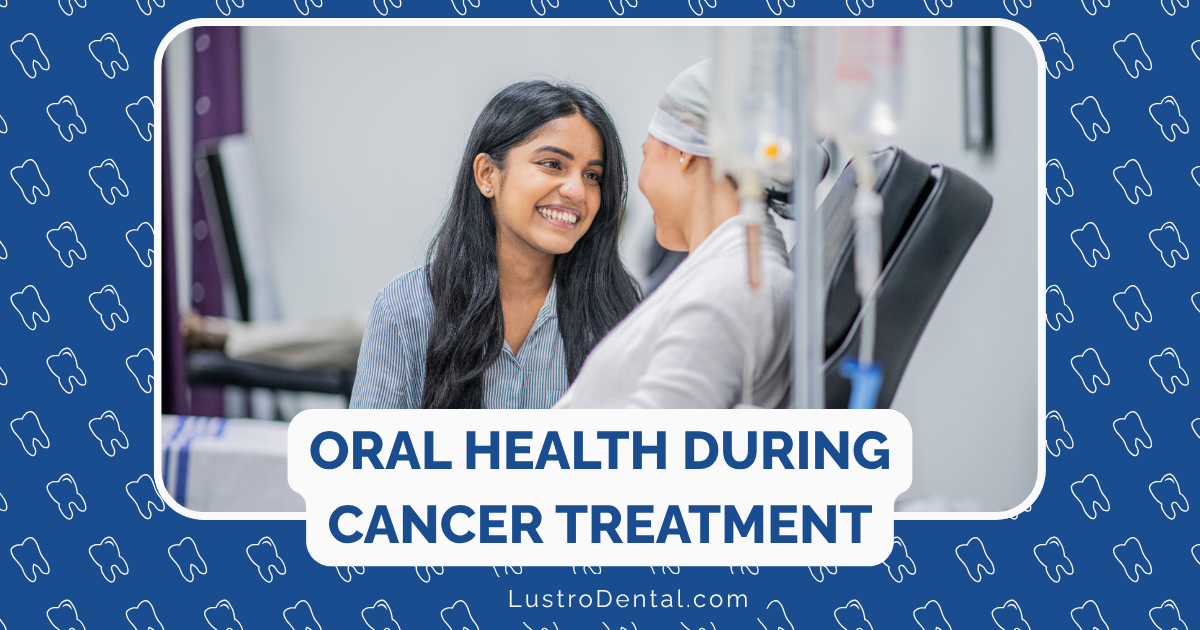
When facing cancer treatment, patients often focus on the primary battle against the disease itself. However, one aspect that deserves significant attention is the impact cancer therapies can have on oral health. According to research published in Oncology Nursing News, oral complications affect approximately 80% of cancer patients, regardless of cancer type.
These side effects aren’t just uncomfortable—they can significantly impact nutrition, treatment adherence, and overall quality of life. In some cases, severe oral complications may even necessitate treatment interruptions, potentially affecting outcomes.
The good news is that with proper preparation, preventive measures, and management strategies, many of these oral complications can be minimized or managed effectively. This comprehensive guide will walk you through what to expect and how to care for your oral health before, during, and after cancer treatment.
Understanding Oral Complications of Cancer Treatment
Why Cancer Treatments Affect the Mouth
Several cancer treatments can impact oral health, each through different mechanisms:
Chemotherapy: These powerful drugs target rapidly dividing cells, including cancer cells. Unfortunately, the cells lining your mouth, throat, and gastrointestinal tract also divide rapidly, making them vulnerable to damage from chemotherapy.
Radiation Therapy: When directed at the head and neck region, radiation can directly damage the salivary glands, oral tissues, jawbone, and teeth. Even radiation to other parts of the body can sometimes cause systemic effects that impact oral health.
Targeted Therapies: Newer cancer treatments like mTOR inhibitors and certain immunotherapies can cause distinct types of oral inflammation and ulceration.
Stem Cell/Bone Marrow Transplantation: The high-dose chemotherapy and/or radiation used before transplantation, along with medications to prevent graft-versus-host disease, can cause severe oral complications.
Immunotherapy: While revolutionizing cancer treatment, these therapies can trigger immune-related adverse events affecting the mouth.
Common Oral Side Effects
Oral Mucositis
Mucositis—painful inflammation and ulceration of the mucous membranes lining the mouth—is one of the most common and distressing oral complications.
Prevalence: According to research published in PMC, mucositis affects approximately 51% of patients receiving chemotherapy for solid tumors or lymphoma. The incidence rises to 75-80% in patients receiving high-dose chemotherapy prior to hematopoietic cell transplantation, and 29-66% of patients receiving radiation therapy for head and neck cancer.
Impact: Beyond pain, mucositis can impair eating, drinking, speaking, and swallowing. It also increases the risk of infection and can lead to treatment delays or dose reductions.
Progression: Typically begins with redness and soreness, progressing to ulceration and potentially severe pain over days or weeks.
Prevalence: Particularly common in head and neck cancer patients receiving radiation, with studies showing that a mean dose of 40 Gy confers a 50% risk of reducing saliva flow by 75% at one year, according to research presented at the 2025 UCSF-UCLA PSMA Conference.
Impact: Beyond discomfort, xerostomia increases the risk of dental decay, oral infections, and difficulties with speaking, chewing, and swallowing.
Duration: Can be temporary or permanent, depending on the extent of salivary gland damage.
Taste Changes (Dysgeusia)
Alterations in taste perception are common during cancer treatment.
Presentation: May include reduced taste sensitivity, metallic taste, or complete loss of taste.
Cause: Results from damage to taste buds, changes in saliva composition, or direct effects of medications.
Duration: Often temporary, though may persist for months after treatment completion.
Other Common Oral Complications
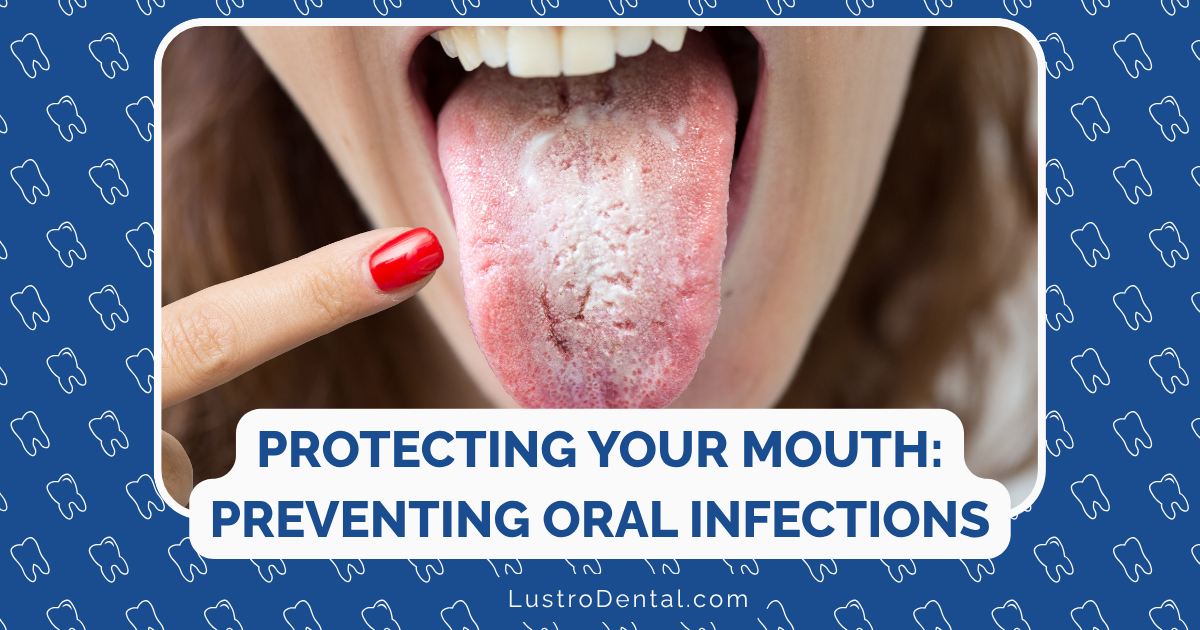
Infections: Fungal (thrush), viral (herpes simplex), or bacterial infections are more common due to immune suppression and mucosal damage.
Bleeding: Reduced platelet counts from chemotherapy can lead to gum bleeding.
Tooth Decay: Increased risk due to changes in saliva quantity and quality.
Trismus: Restricted jaw opening, particularly after radiation to the jaw muscles.
Osteonecrosis: Death of jawbone tissue, associated with certain medications (bisphosphonates) or radiation therapy.
Preparing Your Mouth for Cancer Treatment
Taking proactive steps before cancer treatment begins can significantly reduce the risk and severity of oral complications.
Pre-Treatment Dental Evaluation
Ideally, see a dentist at least 2-3 weeks before starting cancer treatment.
Why It’s Important
Allows time to address existing dental problems before treatment begins
Establishes baseline oral health status
Creates an opportunity to develop a personalized oral care plan
May prevent emergency dental situations during cancer treatment
What to Expect During the Evaluation
Comprehensive oral examination
Dental X-rays to identify hidden problems
Professional cleaning
Treatment of existing infections, cavities, or gum disease
Removal of teeth that may pose problems during or after cancer treatment
Discussion of preventive strategies specific to your treatment plan
Creating a Preventive Oral Care Plan
Work with your dental professional to develop a customized oral care routine.
Basic Components of an Oral Care Plan
Brushing Technique:
Use a soft-bristled toothbrush
Gentle brushing at least twice daily
Consider switching to an ultra-soft brush if gums become sensitive
Flossing Recommendations:
Daily gentle flossing while platelet counts are adequate
May need to discontinue during periods of severe mucositis or very low platelet counts
Mouth Rinses:
Alcohol-free mouth rinses
Salt and baking soda solutions (1/4 teaspoon each of salt and baking soda in 1 cup of warm water)
Avoid commercial mouthwashes containing alcohol, which can dry and irritate tissues
Hydration Strategies:
Regular sips of water
Humidification, especially at night
Avoid caffeine and alcohol, which can worsen dry mouth
Lip Care:
Regular application of water-based or lanolin-based lip balms
Avoid petroleum-based products if receiving oxygen therapy
Nutritional Preparation
Making dietary adjustments before treatment begins can help you maintain nutrition if oral complications develop.
Practical Steps
Stock up on soft, bland foods that will be easy to eat if mouth sores develop
Consider nutritional supplements if recommended by your healthcare team
Learn about high-protein, high-calorie food options that are easy to consume
Prepare and freeze meals in advance for days when you may not feel like cooking
Lifestyle Adjustments
Certain lifestyle changes before treatment can improve oral health outcomes.
Recommendations
Tobacco cessation: Smoking and tobacco use significantly increase the risk and severity of oral complications
Alcohol reduction: Minimize alcohol consumption, which can irritate the oral tissues and interact with medications
Hydration habits: Develop regular water-drinking habits before treatment begins
Managing Oral Side Effects During Treatment
Despite the best preventive efforts, many patients will experience some degree of oral complications during cancer treatment. Here are evidence-based strategies for managing common issues:
Oral Mucositis Management
Daily Care for Inflamed Tissues
Gentle Cleaning: Continue brushing with an ultra-soft toothbrush or foam swab
Frequent Rinsing: Rinse with salt and baking soda solution every 2-3 hours
Avoid Irritants: Stay away from spicy, acidic, rough, or very hot foods and beverages
Pain Management Approaches
Topical Agents:
Lidocaine-based mouth rinses (use as directed by your healthcare team)
Benzydamine hydrochloride rinses for radiation-induced mucositis
“Magic mouthwash” (various formulations containing combinations of lidocaine, diphenhydramine, antacids, and sometimes corticosteroids)
Systemic Pain Control:
Non-opioid analgesics for mild to moderate pain
Opioid medications for severe pain
Patient-controlled analgesia pumps in severe cases, particularly during stem cell transplantation
Emerging Therapies
Photobiomodulation (PBM): According to a study published in Science Direct, low-level laser therapy has shown promising results in reducing the severity of mucositis, particularly in head and neck cancer patients. The study found that patients receiving standard treatment had an odds ratio of 12.800 for developing oral mucositis within the first week of treatment compared to those receiving PBM.
Cryotherapy: Sucking on ice chips during the administration of certain chemotherapy drugs can reduce blood flow to the oral tissues, potentially decreasing drug exposure and mucositis severity.
Growth Factors: Palifermin (Kepivance), a human keratinocyte growth factor, has been approved for reducing the incidence and duration of severe oral mucositis in patients with hematologic malignancies receiving high-dose chemotherapy and radiation therapy followed by stem cell rescue.
Xerostomia (Dry Mouth) Management
Immediate Relief Strategies
Frequent Sips of Water: Keep water readily available at all times
Saliva Substitutes: Over-the-counter products in spray, gel, or rinse forms
Sugar-Free Gum or Candy: Stimulates remaining saliva production
Room Humidifier: Particularly helpful during sleep
Medications for Salivary Stimulation
Pilocarpine (Salagen): Prescription medication that stimulates saliva production
Cevimeline (Evoxac): Alternative to pilocarpine with similar effects
Bethanechol: Another option for stimulating salivary flow
Long-term Management
Fluoride Applications: Daily use of prescription-strength fluoride gel to prevent tooth decay
Regular Dental Check-ups: More frequent than the standard twice-yearly visits
Careful Oral Hygiene: Meticulous cleaning to prevent complications
Taste Changes Management
Dietary Adaptations
Experiment with Seasonings: Try different herbs, spices, marinades, and sauces
Temperature Modifications: Sometimes foods taste better cold than hot
Flavor Enhancers: Lemon juice, vinegar, or sweeteners may help, depending on the specific taste changes
Food Rotation: Alternate bites of different foods to prevent taste fatigue
Practical Tips
Zinc Supplementation: Some studies suggest zinc may help with taste recovery
Metal Avoidance: Use plastic utensils if experiencing metallic taste
Experiment with Aromas: Much of taste is actually smell, so enhancing food aromas may help
Infection Prevention and Management
Preventive Measures
Consistent Oral Hygiene: Maintain cleaning routine even when mouth is sore
Regular Oral Inspection: Check your mouth daily for any changes
Antifungal Prophylaxis: Sometimes prescribed for high-risk patients
Signs of Oral Infection
White, creamy patches that can be wiped away (thrush)
Painful ulcers with a red border (may indicate viral infection)
Swelling, increasing pain, or fever (possible bacterial infection)
Treatment Approaches
Antifungal Medications: For oral thrush (candidiasis)
Antiviral Medications: For viral infections like herpes simplex
Antibiotics: For bacterial infections
Prompt Reporting: Contact your healthcare team at the first sign of infection
Nutritional Strategies During Treatment
Maintaining adequate nutrition despite oral complications is crucial for healing and maintaining strength during cancer treatment.
When Eating Is Difficult
Food Modifications
Texture Adaptations: Pureed, blended, or very soft foods
Temperature Considerations: Cool or room-temperature foods may be better tolerated
Liquid Nutrition: Smoothies, protein shakes, and nutritional supplement drinks
Practical Tips
Small, Frequent Meals: Often easier than three large meals
Nutrient Density: Focus on high-protein, high-calorie options when appetite is limited
Food Timing: Try eating when pain medication is at peak effectiveness
When to Consider Additional Support
Nutritional Counseling: Working with a dietitian specializing in oncology
Feeding Tubes: May be recommended if weight loss becomes significant
Appetite Stimulants: Medications that may help in certain situations
Recovery and Long-term Considerations
Many oral side effects improve after treatment ends, but some may persist or require ongoing management.
Timeline for Improvement
Mucositis: Typically begins to heal 2-4 weeks after chemotherapy ends or radiation therapy is completed
Taste Changes: Usually improve within 2-3 months, though some alterations may persist longer
Xerostomia: May improve gradually over 6-12 months after treatment, though some patients experience permanent changes, particularly after radiation to the head and neck
Long-term Oral Health Considerations
Increased Dental Decay Risk: Particularly with persistent xerostomia
Osteoradionecrosis Risk: For those who received radiation to the jaw
Gum Disease Vigilance: May progress more rapidly in cancer survivors
Regular Professional Monitoring: More frequent dental visits often recommended
When to Seek Professional Help
While some degree of oral side effects is expected, certain symptoms warrant immediate attention from your healthcare team.
Red Flags
Difficulty swallowing or breathing
Oral bleeding that doesn’t stop with pressure
Severe pain not controlled by prescribed medications
Signs of infection (white patches, increasing pain, fever)
Inability to eat or drink for 24 hours
Jaw pain or difficulty opening the mouth
Building Your Support Team
Managing oral health during cancer treatment is most successful with a multidisciplinary approach.
Key Team Members
Oncologist: Coordinates overall cancer treatment
Dentist: Preferably one familiar with oncology patients
Speech-Language Pathologist: Assists with swallowing difficulties
Palliative Care Specialist: Helps manage symptoms and improve quality of life
Communication Tips
Keep a symptom diary to track changes in your oral health
Bring a list of questions to appointments
Don’t minimize symptoms—report them promptly
Ask for written instructions for oral care routines
Latest Research and Emerging Treatments
The field of supportive care in oncology continues to advance, with promising developments for managing oral complications.
Current Research Areas
Gene Therapy: According to the 2025 UCSF-UCLA PSMA Conference, gene therapy-based transfer of aquaporin complement DNA into salivary glands is being investigated as a potential treatment for xerostomia.
Stem Cell Therapy: The MARSH study is evaluating marrow-derived autologous stromal cells for restoring salivary function in patients with xerostomia after radiation therapy.
New Radioprotectants: Compounds that may protect normal tissues while allowing radiation to target cancer cells effectively.
Artificial Intelligence: Being used to better predict which patients are at highest risk for severe oral complications, allowing for more personalized preventive strategies.
Support for People with Oral and Head and Neck Cancer (SPOHNC)
Cancer Support Community
CancerCare
Conclusion: A Proactive Approach
While oral complications are common during cancer treatment, they don’t have to be debilitating. With proactive preparation, consistent oral care, and prompt management of symptoms, many patients can maintain reasonable oral health and comfort throughout their cancer journey.
Remember that every patient’s experience is unique, and what works best may vary based on your specific treatment, overall health, and individual response. Work closely with your healthcare team to develop a personalized approach to oral care during cancer treatment.
By prioritizing oral health before, during, and after cancer therapy, you’re not just preventing complications—you’re supporting your body’s ability to heal and maintaining the best possible quality of life during a challenging time.
Have you experienced oral side effects during cancer treatment? What strategies worked best for you? Share your experiences in the comments to help others navigating similar challenges.