🦷 General Care
✨ Treatments
👶 Family Care
💚 Wellness
💡 Resources

🦷 General Care
✨ Treatments
👶 Family Care
💚 Wellness
💡 Resources

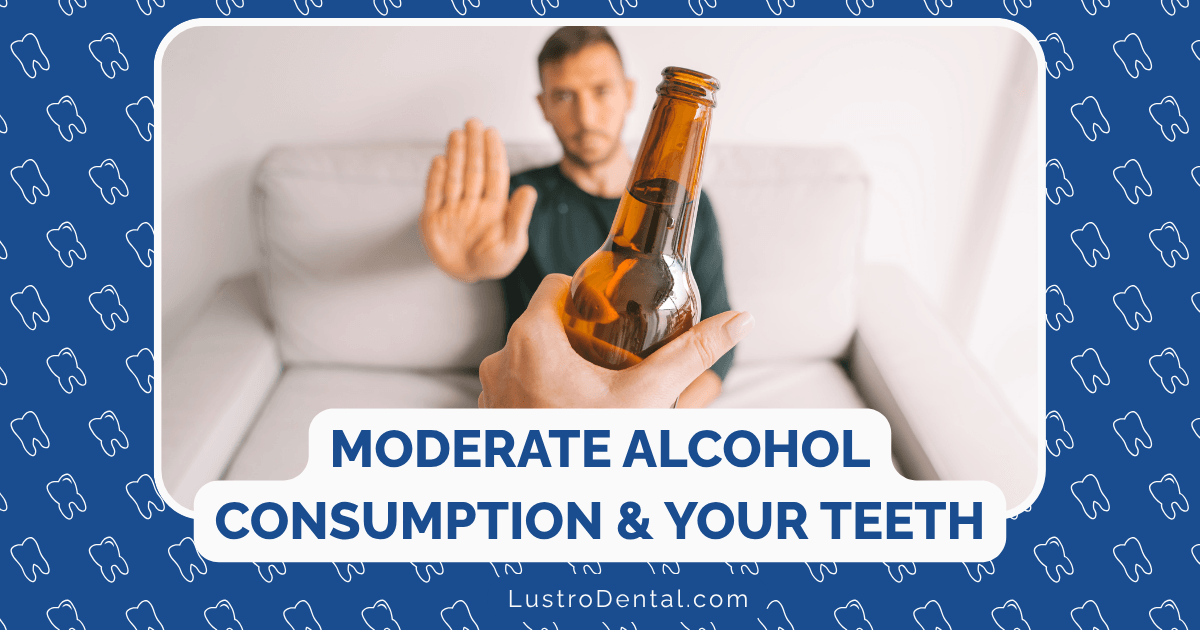
For many adults, enjoying an occasional alcoholic beverage is part of social gatherings, celebrations, or simply unwinding after a long day. While complete abstinence is the only way to avoid alcohol-related health risks entirely, understanding how to drink moderately can help minimize negative effects on your dental health. This guide explores the concept of moderate drinking, its impacts on your oral health, and practical strategies to protect your smile while still enjoying the occasional drink.
Before diving into dental impacts, it’s important to understand what health authorities consider “moderate” alcohol consumption:
According to the Centers for Disease Control and Prevention (CDC), moderate drinking is defined as:
A standard drink in the United States contains approximately 14 grams of pure alcohol, which equates to:
It’s worth noting that recommendations around alcohol consumption are becoming more conservative. According to a 2025 report cited by STAT News, even one drink per day may carry health risks, and the upcoming 2025-2026 Dietary Guidelines for Americans may reflect this evolving understanding.
The National Academies has also published research suggesting that previous beliefs about potential health benefits of moderate drinking may have been overstated, while risks were underappreciated.
Even at moderate levels, alcohol can impact your dental health in several ways:
One of the most immediate effects of alcohol consumption is reduced saliva production. According to Penn Dental Medicine, alcohol acts as a diuretic, leading to dehydration and decreased saliva flow.
Why this matters:
Even moderate drinking can temporarily reduce saliva flow, creating an environment where bacteria thrive and acids remain in contact with teeth for longer periods.
Most alcoholic beverages are acidic, with pH levels well below the threshold (5.5) at which tooth enamel begins to erode. According to Zara Dental, both red and white wines are particularly acidic, while mixed drinks containing citrus juices can be even more damaging.
With moderate consumption, this acid exposure is limited and your saliva can typically neutralize and repair minor damage. However, regular exposure, even at moderate levels, can gradually weaken enamel over time.
Many alcoholic beverages contain significant amounts of sugar:
As Cigna explains, alcohol itself metabolizes into sugar in the body, and these added sugars provide fuel for decay-causing bacteria in the mouth. Even moderate consumption of sugary alcoholic drinks can increase cavity risk, particularly if consumed frequently.
Research shows that even moderate alcohol consumption can affect gum health. A study cited by Penn Dental Medicine found that regular alcohol users without periodontitis had more gum bleeding than non-drinkers.
This is likely due to alcohol’s mild immunosuppressive effects and its tendency to promote inflammation in tissues. While moderate drinking is unlikely to cause full-blown gum disease in an otherwise healthy person, it may exacerbate existing issues or increase vulnerability.
Certain alcoholic beverages, particularly red wine, contain chromogens and tannins that can adhere to tooth enamel and cause staining. According to Healthline, this effect is more pronounced if the enamel is already compromised by acid erosion.
While staining is primarily a cosmetic concern, it can affect confidence and may require professional whitening to address if it becomes significant.
Based on current research and dental health considerations, here are reasonable guidelines for minimizing alcohol’s impact on your oral health:
If you choose to drink moderately, these strategies can help minimize negative impacts on your dental health:
Not all alcoholic beverages affect your teeth equally. If you choose to drink moderately, these options may be less damaging to dental health:
While moderate consumption may be acceptable for many, certain situations warrant reconsidering alcohol use entirely for dental health:
Your dentist can be a valuable partner in understanding how your drinking habits may be affecting your oral health:
Making informed choices about alcohol consumption involves weighing personal enjoyment against potential health impacts. According to Cooley Smiles, moderate drinkers are less likely to experience severe oral health issues compared to heavy drinkers, but some risk still exists.
Consider these reflection points:
Moderate alcohol consumption, while less harmful than heavy drinking, still carries some risks for dental health. By understanding these risks and implementing protective strategies, you can make informed choices that balance enjoyment with long-term oral health.
Remember that dental health is highly individual—factors like genetics, overall diet, oral hygiene practices, and existing conditions all influence how alcohol affects your mouth. Working with your dental professional to understand your specific risk profile is the best approach to maintaining a healthy smile while making personal choices about alcohol consumption.
Whether you choose to drink moderately, reduce consumption further, or abstain completely, being informed about alcohol’s effects on dental health empowers you to protect your smile for years to come.