🦷 General Care
✨ Treatments
👶 Family Care
💚 Wellness
💡 Resources

🦷 General Care
✨ Treatments
👶 Family Care
💚 Wellness
💡 Resources

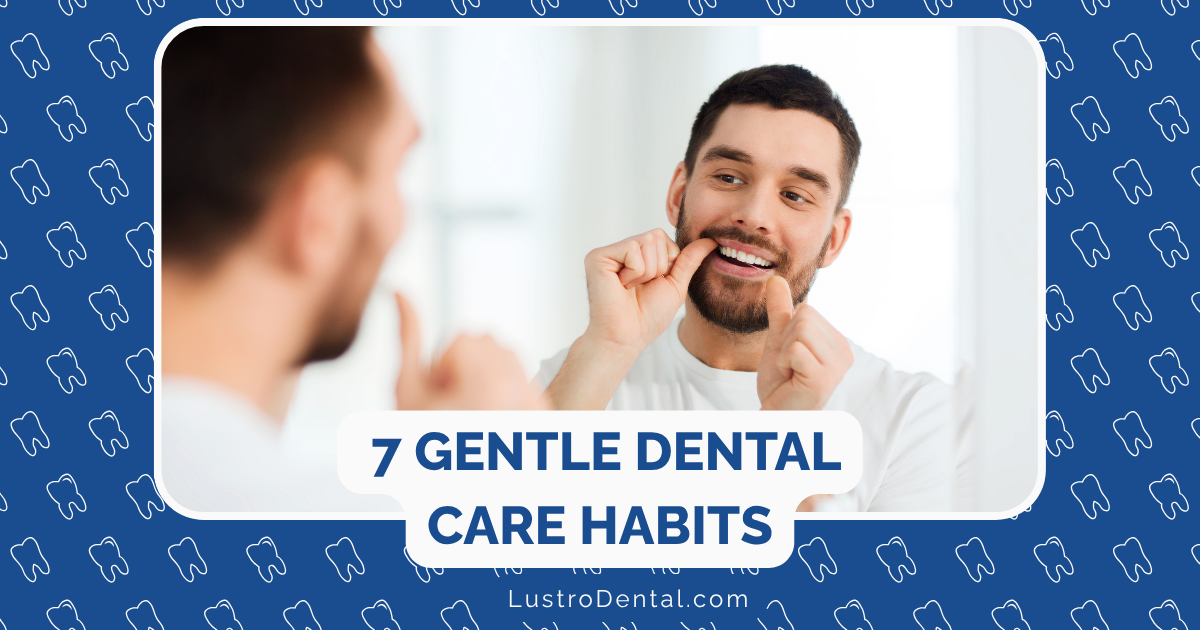
For many people, dental care comes with a side of anxiety. The harsh sounds of dental tools, memories of uncomfortable procedures, and concerns about judgment can transform simple oral hygiene into a stress-inducing experience. But what if maintaining excellent oral health could be gentle, soothing, and anxiety-free?
The good news is that transformative dental care doesn’t have to be aggressive or intimidating. By embracing gentler approaches that work with your body’s natural processes, you can achieve remarkable improvements in your oral health while actually reducing anxiety.
This guide explores seven gentle dental care habits that can revolutionize your oral health journey without adding stress or discomfort. These approaches focus on prevention, natural support, and mindful techniques that respect both your physical and emotional wellbeing.
Before diving into specific habits, it’s worth understanding how anxiety and oral health influence each other. Dental anxiety creates a challenging cycle:
Breaking this cycle requires approaches that feel gentle and manageable, creating positive experiences that gradually replace fear with confidence.
The habits in this guide are specifically designed to:
Let’s explore these transformative yet gentle approaches to oral health.
The foundation of good oral health begins with proper brushing, but many people unknowingly damage their teeth and gums by using improper techniques or tools.
Choose ultra-soft bristles: Despite what you might think, firmer bristles don’t clean better—they actually risk damaging delicate gum tissue and tooth enamel. Ultra-soft bristles clean effectively while being gentle on your mouth.
Master the gentle technique: Hold your brush at a 45-degree angle to your gums and use short, gentle circular motions rather than aggressive back-and-forth scrubbing. Let the bristles do the work without applying excessive pressure.
Time it right: Brush for two full minutes, twice daily. Many electric toothbrushes have built-in timers, or you can use a simple kitchen timer or smartphone app.
Consider sonic technology: Electric toothbrushes with sonic technology can provide thorough cleaning with minimal pressure. Many have pressure sensors that alert you if you’re brushing too hard.
Gentle brushing removes plaque effectively without traumatizing gum tissue or wearing down enamel. By avoiding the discomfort that can come from aggressive brushing, you create a more positive daily experience that reinforces good habits.
According to the American Dental Association, the ideal toothbrush should have soft bristles with rounded ends. This design effectively removes plaque while minimizing the risk of gum recession and enamel abrasion.
This ancient practice has gained modern attention for its gentle yet effective approach to oral hygiene.
Choose your oil: Coconut oil is most popular due to its pleasant taste and natural antimicrobial properties, but sesame oil is also traditionally used.
Start small: Begin with just 5 minutes if a full 15-20 minutes seems daunting. Swish 1-2 teaspoons of oil gently around your mouth, similar to using mouthwash but with much less vigor.
Make it mindful: Use this time for morning meditation or mindfulness practice, transforming it from a chore into a calming ritual.
Proper disposal: Spit the oil into the trash rather than the sink to avoid plumbing issues, as the oil can solidify.
Oil pulling works through a process called saponification, where the oil binds to bacteria and their byproducts. Research published in the Journal of Ayurveda and Integrative Medicine indicates that oil pulling can reduce plaque, improve gum health, and even help freshen breath.
For those with dental anxiety, oil pulling offers a completely non-invasive approach to oral care that can be done in the comfort of your own home, with no uncomfortable tools or sounds involved.
One of the most significant advances in our understanding of oral health is recognizing the importance of the oral microbiome—the community of beneficial bacteria that naturally inhabit a healthy mouth.
Introduce beneficial bacteria: Consider an oral probiotic supplement specifically designed for dental health, such as ProDentim. Unlike harsh antimicrobial mouthwashes that kill both good and bad bacteria, ProDentim introduces beneficial probiotic strains that support a healthy oral environment.
Choose the right probiotic: Look for products containing strains specifically researched for oral health, such as Lactobacillus paracasei, Lactobacillus reuteri, and Bifidobacterium lactis BL-04—all found in ProDentim’s formula.
Consistency matters: Oral probiotics work best when taken regularly, allowing beneficial bacteria to establish themselves in the mouth’s microbiome.
Complement with prebiotics: Some oral probiotics, including ProDentim, contain prebiotics like inulin that feed beneficial bacteria, helping them thrive.
A balanced oral microbiome creates an environment where harmful bacteria struggle to gain a foothold. The beneficial bacteria in products like ProDentim work by:
For those with dental anxiety, supporting the oral microbiome offers a gentle, proactive approach to preventing problems before they start. Each ProDentim tablet contains 3.5 billion CFUs of beneficial bacteria, providing significant support for your oral microbiome with just one simple daily habit.
Proper hydration is perhaps the most gentle yet underappreciated aspect of oral health.
Make water your primary beverage: Aim for at least 8 glasses daily, more if you’re active or in hot weather.
Timing matters: Drink water after meals to help neutralize acids and rinse away food particles without aggressive brushing.
Consider mineral content: Water with minerals like calcium can contribute to remineralization of tooth enamel.
Create positive associations: Use a water bottle you enjoy, add natural flavors like cucumber or berries if desired, and make hydration a pleasant experience.
Saliva is your body’s natural defense system for oral health. It contains minerals that remineralize teeth, enzymes that break down food particles, and compounds that neutralize acids and control bacteria. By staying well-hydrated, you support optimal saliva production and flow.
According to research published in the Journal of the American Dental Association, reduced saliva flow significantly increases the risk of tooth decay and gum disease. Proper hydration is a completely non-invasive way to support this crucial natural defense system.
For those with dental anxiety, focusing on hydration offers a simple, stress-free way to support oral health without any uncomfortable procedures or tools.
While traditional flossing is effective, it can be challenging for many people, especially those with sensitive gums, limited dexterity, or dental anxiety.
Water flossers: Devices like Waterpik® use a gentle stream of water to clean between teeth and below the gumline. The pressure is adjustable, allowing you to find a comfortable level.
Floss picks with gentle designs: Look for picks with thin, smooth floss and ergonomic handles that make it easier to reach back teeth without discomfort.
Interdental brushes: These tiny brushes come in various sizes and can be easier to maneuver than traditional floss, especially for wider spaces between teeth.
Floss with comfort coatings: Some flosses are coated with wax or other materials that help them glide more gently between teeth.
Cleaning between teeth is essential for removing plaque and food particles that brushing alone can’t reach. However, traditional flossing can be uncomfortable or intimidating for many people.
A study in the Journal of Clinical Dentistry found that water flossers removed 29% more plaque than traditional floss while being gentler on gum tissue. For those with dental anxiety, finding a comfortable alternative to traditional flossing can make this crucial aspect of oral hygiene less stressful and more consistent.
Your teeth have a natural ability to repair minor damage through remineralization—a process we can support through gentle dietary choices.
Calcium-rich foods: Incorporate dairy products, leafy greens, almonds, and fortified plant milks into your diet.
Phosphorus sources: Eggs, fish, lean meats, nuts, and seeds provide this mineral essential for remineralization.
Vitamin D: Ensure adequate intake through safe sun exposure, fatty fish, egg yolks, or supplements if needed.
Limit acidic foods and beverages: Reduce consumption of sodas, citrus juices, and vinegar-based foods, or rinse with water afterward.
Consider xylitol: This natural sweetener actually helps prevent cavities by inhibiting harmful bacteria. It’s available in gums, mints, and some oral care products.
Tooth enamel constantly undergoes a cycle of demineralization (loss of minerals) and remineralization (gaining minerals back). By supporting the remineralization process through diet and gentle habits, you can help repair minor damage before it develops into cavities.
Research in the Journal of Conservative Dentistry highlights how dietary factors can significantly influence this remineralization process. This approach works with your body’s natural healing abilities rather than relying solely on invasive treatments.
For those with dental anxiety, focusing on remineralization offers a way to be proactive about dental health through pleasant, everyday activities like eating nutritious foods rather than stressful procedures.
Transforming dental care from a dreaded chore into a mindful self-care ritual can dramatically change your relationship with oral health.
Create a calming environment: Set up your bathroom with pleasant lighting, perhaps a plant or two, and even calming music during your oral care routine.
Use products with soothing scents: Choose dental products with natural, pleasant flavors like mild mint, vanilla, or herbal options.
Practice deep breathing: Before beginning your oral care routine, take three deep breaths to center yourself and release tension.
Express gratitude: As you care for your teeth, practice gratitude for your body and the ability to nourish your health.
Incorporate ProDentim as a simple daily ritual: The act of taking a daily ProDentim tablet can become a moment of commitment to your oral health that doesn’t trigger anxiety like more invasive procedures might.
Mindfulness techniques have been shown to reduce anxiety and stress in numerous studies. By applying these principles to oral care, you can transform potentially anxiety-inducing activities into calming rituals.
A study published in the Journal of Dental Research found that mindfulness-based interventions significantly reduced dental anxiety in patients. Creating positive associations with oral care through mindfulness can help break the cycle of anxiety and avoidance that often compromises dental health.
These seven gentle habits work synergistically to transform oral health without adding anxiety. Here’s how to incorporate them into a comprehensive routine:
Throughout this guide, we’ve mentioned ProDentim as a valuable addition to your gentle oral care routine. This innovative oral probiotic supplement deserves special attention for how well it aligns with the philosophy of gentle, anxiety-free dental care.
ProDentim stands apart from traditional oral care products in several important ways:
For those who experience dental anxiety, ProDentim offers several unique benefits:
The seven gentle habits outlined in this guide offer a compassionate approach to oral health that respects both your physical and emotional wellbeing. By embracing these methods and incorporating supportive products like ProDentim, you can transform your relationship with dental care from one of anxiety and avoidance to one of confidence and self-care.
Remember that sustainable oral health comes from consistent, gentle practices rather than aggressive interventions. Each small, positive step builds upon the last, creating a foundation for lasting oral health without the anxiety that traditionally accompanies dental care.
Which of these gentle habits will you incorporate into your routine first? Consider starting with the ones that feel most accessible and building from there. Your journey to anxiety-free oral health begins with a single gentle step.
Have you tried any of these gentle dental care approaches? Share your experience in the comments below and join our community of anxiety-free oral health advocates!