Dental Care Adaptations for Patients with Alzheimer’s Disease
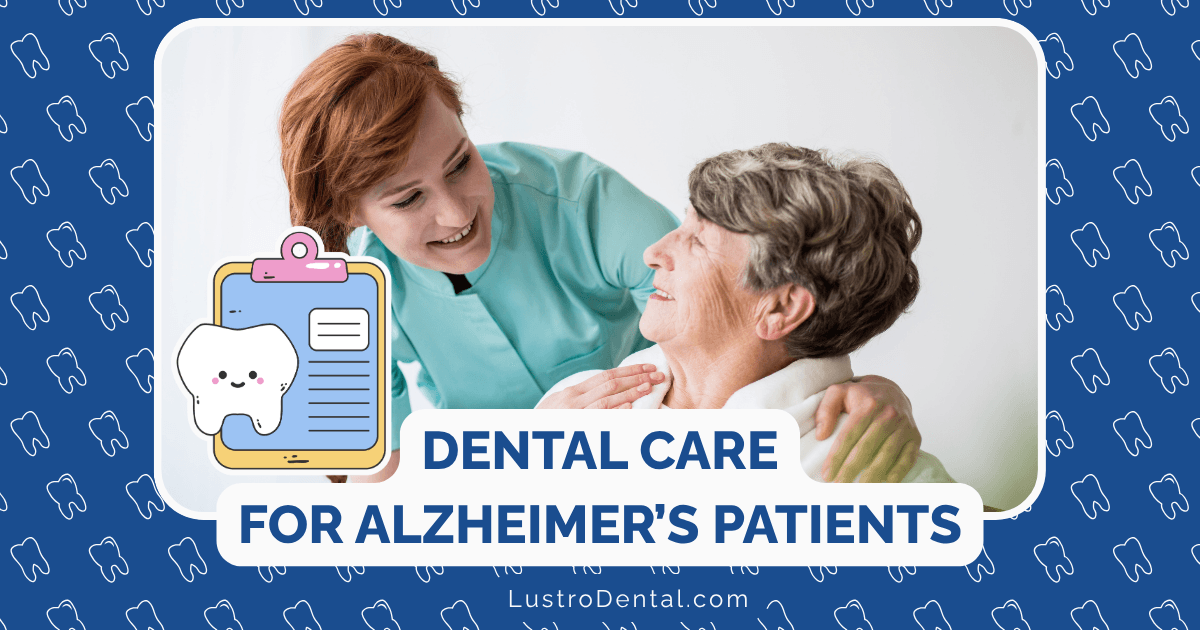
As a dental health advocate who has worked with numerous Alzheimer’s patients throughout my career, I’ve witnessed firsthand the unique challenges these individuals face in maintaining oral health. With over 6 million Americans currently living with Alzheimer’s disease (AD)—a number projected to grow substantially in the coming decades—the need for specialized dental approaches has never been more pressing.
The progressive nature of Alzheimer’s creates a moving target for dental care. What works during early stages may become ineffective as cognitive abilities decline. Yet maintaining oral health remains crucial throughout the disease progression, not just for comfort and dignity, but because poor oral health can exacerbate other health issues and potentially accelerate cognitive decline.
In this comprehensive guide, I’ll share evidence-based strategies for adapting dental care to meet the needs of patients with Alzheimer’s disease—from clinical settings to daily home care routines.
Understanding the Oral Health Challenges in Alzheimer’s Disease
Before discussing specific adaptations, it’s important to understand the unique oral health challenges that Alzheimer’s patients face.
Increased Risk for Oral Diseases
Research from Decisions in Dentistry indicates that patients with dementia are 69% more likely to be diagnosed with periodontal disease than those without. This increased risk stems from several factors:
Declining ability to perform oral hygiene as the disease progresses
Medication-induced xerostomia (dry mouth), which increases biofilm accumulation and caries risk
Nutritional changes, often including increased consumption of soft, carbohydrate-rich foods that adhere to teeth
Reduced ability to communicate pain or discomfort, leading to delayed treatment
The Bidirectional Relationship
Emerging research suggests a bidirectional relationship between oral health and Alzheimer’s disease. Not only does cognitive decline impact oral health, but poor oral health—particularly periodontal disease—may contribute to inflammation that potentially exacerbates cognitive deterioration.
Dr. Sarah Chen, a neurologist specializing in dementia, explains: “The inflammatory processes involved in periodontal disease don’t stay confined to the mouth. These inflammatory markers can enter the bloodstream and potentially cross the blood-brain barrier, contributing to neuroinflammation.”
Stage-Specific Challenges
The challenges evolve as Alzheimer’s progresses through its typical stages:
Early Stage
Forgetting to brush or floss regularly
Difficulty following multi-step oral hygiene routines
Beginning to struggle with dental appointment scheduling and attendance
Middle Stage
Increased resistance to oral care assistance
Difficulty understanding and following dental instructions
Growing challenges with cooperation during dental procedures
Potential development of paranoia or agitation during dental visits
Late Stage
Complete dependence on caregivers for oral hygiene
According to Dimensions of Dental Hygiene, contacting caregivers 1-2 weeks before appointments to update health histories and prepare the patient can significantly improve visit outcomes.
Communication Techniques
Effective communication forms the foundation of successful dental care for Alzheimer’s patients:
Verbal Communication
Use simple, concrete language with short sentences
Speak slowly and allow extra time for processing
Ask one question at a time and wait for a response
Provide step-by-step instructions for each part of the examination or procedure
Use a calm, reassuring tone even if the patient becomes agitated
Avoid complex explanations or technical terminology
Non-Verbal Communication
Maintain eye contact at the same level as the patient
Use gentle touch to guide and reassure
Demonstrate procedures before performing them
Pay attention to the patient’s body language for signs of discomfort or anxiety
Use visual aids such as models or pictures to explain procedures
Dr. Michael Rodriguez, a geriatric dentist with extensive experience treating Alzheimer’s patients, emphasizes: “Non-verbal communication often becomes increasingly important as the disease progresses. A reassuring smile, gentle touch on the arm, or demonstration of what you’re about to do can be more effective than verbal explanations.”
Treatment Planning Considerations
Treatment planning for Alzheimer’s patients requires a different approach than for cognitively healthy individuals:
Prioritize prevention to avoid complex procedures later
Consider the disease trajectory when recommending extensive treatment
Opt for more conservative treatments when appropriate
Evaluate risk vs. benefit for each procedure
Plan for the future by addressing potential issues before they become problematic
Document baseline oral conditions to track changes over time
Research from Decisions in Dentistry suggests that preventive measures like fluoride applications can reduce caries incidence by at least 25% in this vulnerable population.
Behavior Management Strategies
Even with careful planning, behavioral challenges may arise during dental visits:
Preventive Approaches
Schedule appointments during optimal times when the patient is typically calm
Allow a trusted caregiver to remain visible during treatment
Use distraction techniques such as music or simple conversations
Consider pre-appointment anxiolytic medication when recommended by the patient’s physician
Managing Resistance
Remain calm and patient if resistance occurs
Use the “bridging technique” by placing your hand over the patient’s hand to guide movements
Try the “chaining method” by starting a movement and allowing the patient to continue it
Provide positive reinforcement for cooperation
Be willing to reschedule if the patient becomes too agitated
Sedation and Anesthesia Considerations
For more complex procedures or patients with advanced disease, sedation may be appropriate:
Consult with the patient’s physician before administering any sedation
Consider nitrous oxide for mild anxiety in early-stage patients
Evaluate oral conscious sedation options for moderate procedures
Reserve deep sedation or general anesthesia for extensive treatment in advanced cases
According to the Alzheimer’s Society UK, sedation or general anesthesia may be recommended for patients with dementia to facilitate necessary dental treatment, particularly in later stages.
Preventive and Restorative Treatment Adaptations
Beyond environmental and behavioral adaptations, specific clinical interventions can be modified to better serve Alzheimer’s patients.
Enhanced Preventive Protocols
Prevention becomes even more critical for Alzheimer’s patients due to the increasing difficulty of treatment as the disease progresses:
Increase professional cleaning frequency to every 3-4 months
Recommend prescription-strength fluoride toothpaste for daily use
Implement xylitol products to reduce cariogenic bacteria
Research published in Decisions in Dentistry notes that SDF is particularly effective for Alzheimer’s patients as it can arrest active dentin caries without requiring complex restorative procedures.
Restorative Considerations
When restorative treatment is necessary, several adaptations can improve outcomes:
Select materials requiring minimal maintenance such as glass ionomers
Consider the longevity of restorations in treatment planning
Opt for full-coverage restorations when appropriate to provide maximum protection
Simplify prosthetic designs for easier cleaning and maintenance
Use moisture-tolerant materials when isolation is challenging
Prosthetic Adaptations
For patients with removable prosthetics:
Label dentures with the patient’s name
Consider fixed prosthetics over removable when possible
Simplify denture design for easier insertion and removal
Use denture adhesives to improve stability and confidence
Implement colored denture cleansers to make the cleaning process more visible
Dr. Jennifer Lee, a prosthodontist specializing in geriatric care, notes: “For Alzheimer’s patients, simpler is often better when it comes to prosthetics. A well-designed fixed bridge may be preferable to a removable partial denture that can be misplaced or improperly maintained.”
Home Care Adaptations and Caregiver Support
Professional dental care represents only a small fraction of overall oral health maintenance. Daily home care, typically managed by caregivers as the disease progresses, is equally if not more important.
Adaptive Oral Hygiene Tools
Several specialized tools can make oral hygiene easier for both patients and caregivers:
Toothbrushes with modified handles (wider, longer, or ergonomically designed)
Electric toothbrushes for early to middle-stage patients
Three-sided toothbrushes that clean multiple surfaces simultaneously
Floss holders or interdental brushes with extended handles
Oral swabs or mouth wipes for late-stage care
According to Today’s RDH, toothbrushes with soft bristles and ergonomically designed handles can significantly improve oral hygiene outcomes for Alzheimer’s patients.
Caregiver Education and Support
Caregivers need specific training and support to provide effective oral care:
Essential Education Topics
Basic oral anatomy and disease recognition
Proper brushing and flossing techniques adapted for assisting others
Recognition of oral pain signs when the patient cannot communicate
Management of common oral conditions like dry mouth
Strategies for overcoming care resistance
Practical Techniques
The “watch me” method: Demonstrating brushing on yourself first
The “hand-over-hand” technique: Guiding the patient’s hand while they hold the toothbrush
The “tell-show-do” approach: Explaining, demonstrating, then performing each step
The Alzheimer’s Association recommends breaking down oral care into simple steps and providing clear, concise instructions for each action.
Environmental Modifications for Home Care
The setting for oral hygiene can significantly impact success:
Consider alternative locations beyond the bathroom if it causes anxiety
Ensure proper lighting without glare
Reduce distractions in the environment
Use contrasting colors for oral hygiene supplies to improve visibility
Maintain consistency in the location and timing of oral care
Managing Common Oral Conditions
Caregivers should be educated about managing common conditions that affect Alzheimer’s patients:
Xerostomia (Dry Mouth)
Ensure adequate hydration throughout the day
Use alcohol-free mouth moisturizers as recommended by a dentist
Avoid caffeine and alcohol which can worsen dryness
Consider xylitol-containing products to stimulate saliva
Denture Care
Establish a consistent routine for denture cleaning
Use denture brushes with larger handles for easier grip
Consider ultrasonic cleaners for more thorough cleaning
Implement a system to prevent loss such as a dedicated storage container
Special Considerations for Different Disease Stages
As Alzheimer’s progresses, dental care approaches must evolve to match the patient’s changing abilities and needs.
Early Stage Adaptations
During early stages, the focus is on establishing routines and maximizing independence:
Create written reminders for oral hygiene routines
Set up smartphone alerts for brushing times
Simplify product selection to reduce decision fatigue
Begin involving caregivers in dental appointments for continuity of care
Document baseline oral conditions thoroughly for future comparison
Middle Stage Adaptations
As independence decreases, more direct assistance becomes necessary:
Provide step-by-step verbal cues during oral hygiene
Schedule more frequent dental visits to monitor changes
Begin introducing alternative cleaning methods as traditional methods become challenging
Late Stage Adaptations
In advanced stages, caregivers typically assume full responsibility for oral care:
Position the patient comfortably, often at a 45-degree angle
Use mouth props when recommended by a dentist to maintain access
Implement swab-based cleaning when traditional brushing isn’t possible
Focus on comfort and infection prevention rather than perfect cleaning
Monitor for signs of pain or discomfort that may indicate dental problems
The Alzheimer’s Society UK emphasizes that even in late stages, regular oral care remains essential for preventing infections and maintaining comfort.
Emerging Approaches and Future Directions
The field of dental care for Alzheimer’s patients continues to evolve, with several promising developments on the horizon:
Teledentistry Applications
Virtual dental consultations show promise for Alzheimer’s patients, particularly those with mobility challenges or who become agitated in unfamiliar environments:
Virtual screenings to determine the necessity of in-person visits
Remote monitoring of oral conditions between appointments
Caregiver education and support via video conferencing
Medication management consultations for addressing oral side effects
Mobile Dentistry
According to Blende Dental Group, in-home dental services are becoming increasingly important for elderly patients with cognitive impairments:
Portable dental equipment brings comprehensive care to the patient’s home
Familiar environment reduces anxiety and behavioral challenges
Eliminates transportation barriers for patients with advanced disease
Allows for observation of the actual living environment to better tailor home care recommendations
Interdisciplinary Care Models
Collaborative approaches between dental professionals, physicians, and caregivers show promise for improving outcomes:
Coordinated medication management to address oral side effects
Joint care planning between medical and dental teams
Integrated dementia-dental training programs for healthcare professionals
Conclusion: Compassionate, Person-Centered Dental Care
Providing dental care for Alzheimer’s patients presents unique challenges, but with appropriate adaptations, these individuals can maintain oral health, comfort, and dignity throughout their disease journey. The key lies in a person-centered approach that recognizes each patient’s unique needs, preferences, and abilities at each stage of the disease.
For dental professionals, this means developing specialized knowledge and skills, creating accommodating environments, and collaborating effectively with caregivers and other healthcare providers. For caregivers, it means learning specific techniques, establishing consistent routines, and advocating for appropriate professional care.
As our understanding of Alzheimer’s disease continues to evolve, so too will our approaches to dental care for this vulnerable population. By implementing the evidence-based strategies outlined in this article, we can help ensure that oral health remains an integral part of overall care for individuals living with Alzheimer’s disease.
Do you have experience caring for someone with Alzheimer’s disease? What oral care strategies have you found most effective? Share your insights in the comments below to help others on this journey.