🦷 General Care
✨ Treatments
👶 Family Care
💚 Wellness
💡 Resources

🦷 General Care
✨ Treatments
👶 Family Care
💚 Wellness
💡 Resources

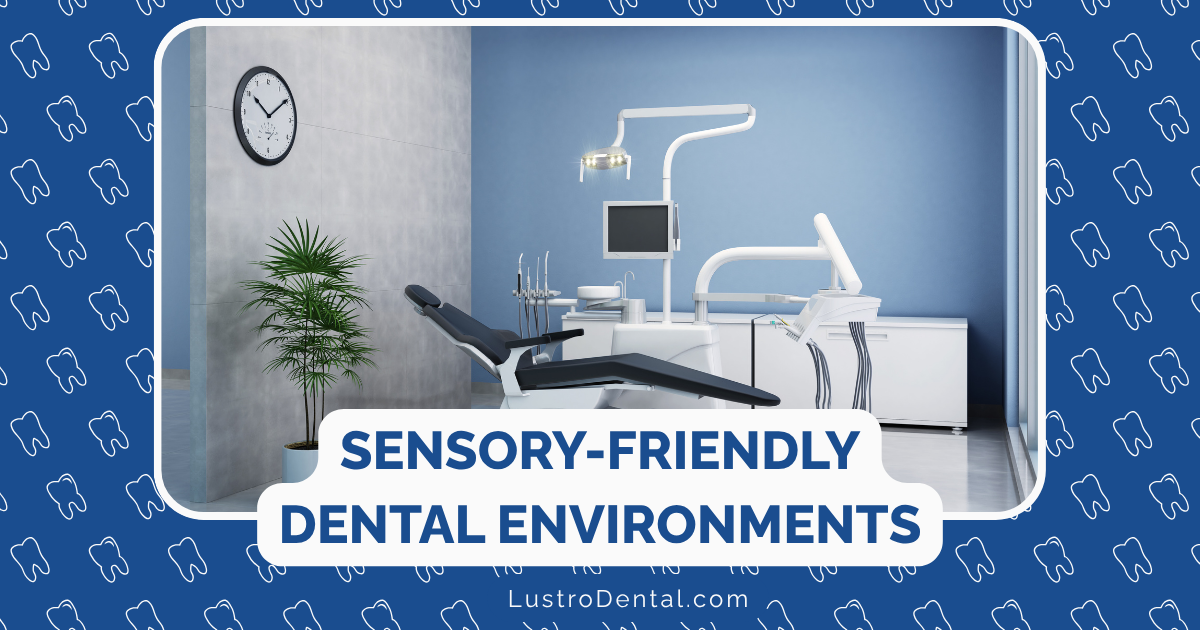
The whir of the dental drill. The glare of overhead lights. The clinical smell of disinfectant. The sensation of unfamiliar instruments in your mouth. For many of us, these sensory experiences are merely uncomfortable aspects of dental care that we tolerate. But for individuals with sensory processing differences—particularly those with autism spectrum disorder, sensory processing disorder, or anxiety conditions—these sensations can be overwhelming, even unbearable.
As a dental health advocate who’s worked with diverse patient populations, I’ve witnessed how seemingly minor environmental modifications can transform dental experiences from traumatic to tolerable—even positive. The good news? Creating a sensory-friendly dental environment isn’t just compassionate care; it’s evidence-based practice backed by growing research.
Before discussing modifications, let’s understand what makes traditional dental environments so challenging for sensory-sensitive individuals.
Visual Triggers:
Auditory Triggers:
Tactile Triggers:
Olfactory Triggers:
Proprioceptive/Vestibular Triggers:
Dr. Michele Berman, a pediatric dentist specializing in treating patients with sensory sensitivities, explains: “What might seem like a minor sensory input to most people—like the sound of a suction device—can feel overwhelming to someone with sensory processing differences. Their nervous system processes these inputs differently, often more intensely.”
Research increasingly supports the effectiveness of sensory-adapted dental environments (SADE) in improving outcomes for patients with sensory sensitivities.
A groundbreaking study published in JAMA Network Open examined 138 children with autism spectrum disorder, comparing their experiences in traditional dental environments versus sensory-adapted ones. The results were striking: children in the sensory-adapted environment showed significantly reduced physiological stress markers and reported lower anxiety levels.
Another study from the University of Southern California involving 162 autistic children found that sensory adaptations not only reduced stress but also improved cooperation during dental cleanings. Remarkably, physiological stress levels dropped as soon as children entered the adapted environment—even before any dental procedures began.
Perhaps most compelling for dental practices considering implementation, a 2020 Italian study found that while only 20% of children with autism were successfully treated in a regular dental environment, that number jumped to 68% in a sensory-adapted setting—a dramatic improvement in treatment success.
Let’s explore specific modifications that can transform a dental practice into a sensory-friendly space, organized by sensory domain.
Lighting Adaptations:
Visual Calming Strategies:
Dr. James Wilson, who redesigned his practice to be sensory-friendly, shares: “Simply changing from fluorescent to LED lighting with dimmer switches made an immediate difference. We’ve had patients who previously couldn’t even sit in the chair now completing full cleanings.”
Noise Reduction Strategies:
Sound Management Tools:
A systematic review published in 2023 found that adaptations in auditory aspects of the dental environment were particularly effective in reducing anxiety and improving cooperation among patients with intellectual and developmental disabilities.
Touch-Sensitive Approaches:
Personal Space Respect:
Scent Management:
Taste Considerations:
The sensory experience begins well before the patient reaches the dental chair. Thoughtful waiting area design can set the tone for a positive visit.
Sensory-Friendly Waiting Areas:
Growing Great Grins, a pediatric dental practice specializing in sensory-friendly care, notes: “Our waiting area includes a sensory corner with various seating options, fidget tools, and visual supports. Many parents tell us their children are actually excited to visit because they enjoy this space so much.”
Creating a sensory-friendly environment doesn’t have to happen all at once. Here’s a phased approach that many practices have successfully used:
Dr. Lisa Chen of Luxe Dental Group, which has become a leader in sensory-friendly dentistry, advises: “Start with understanding your patients’ needs through pre-appointment questionnaires about sensory preferences. This allows you to prioritize modifications that will have the greatest impact for your specific patient population.”
While much of the research on sensory-friendly dentistry focuses on patients with autism spectrum disorder, the benefits extend to many others:
As Sensory Friendly Solutions notes, over 25 different conditions can lead to sensory sensitivities, making sensory-friendly dentistry a truly inclusive approach to care.
To illustrate the impact of sensory-friendly modifications, consider the experience of Pediatric Dental Associates of Ridgewood, which implemented comprehensive sensory adaptations in 2023:
Before implementing sensory-friendly modifications, the practice had a 43% cancellation/no-show rate for patients with sensory sensitivities. Many would require sedation for even basic procedures, and some families had given up on dental care entirely.
After creating a sensory-adapted environment with modified lighting, sound management, visual supports, and staff training, they saw dramatic improvements:
Practice director Dr. Sarah Johnson shares: “The return on investment has been tremendous, not just financially but in the emotional reward of seeing patients succeed who previously couldn’t tolerate dental care at all.”
Dental professionals who have successfully created sensory-friendly environments offer these practical tips:
As we look toward 2025 and beyond, several trends are emerging in sensory-friendly dental care:
Dr. Robert Williams, a researcher in special care dentistry, predicts: “Within the next five years, sensory-friendly design elements will become standard in dental education and practice, much as accessibility features have become expected rather than exceptional.”
For dental professionals interested in implementing sensory-friendly modifications, these resources provide valuable guidance:
Creating sensory-friendly dental environments isn’t just about accommodating a few patients with special needs—it’s about reimagining dental care to be more comfortable and accessible for everyone. The environmental modifications discussed here represent a shift toward patient-centered care that recognizes and respects neurological diversity.
The research is clear: sensory-adapted dental environments significantly improve outcomes, reducing anxiety and increasing treatment success. With thoughtful modifications to lighting, sound, touch experiences, and overall environment design, dental practices can create spaces where all patients can receive the care they need without unnecessary distress.
As we continue to advance our understanding of sensory processing and implement evidence-based modifications, we move closer to a future where dental anxiety and sensory barriers no longer prevent anyone from accessing essential oral healthcare. That’s something worth smiling about.
Have you implemented sensory-friendly modifications in your dental practice or experienced them as a patient? Share your experiences in the comments below.