Beyond Fear: Understanding Dental Anxiety and Dental Phobia
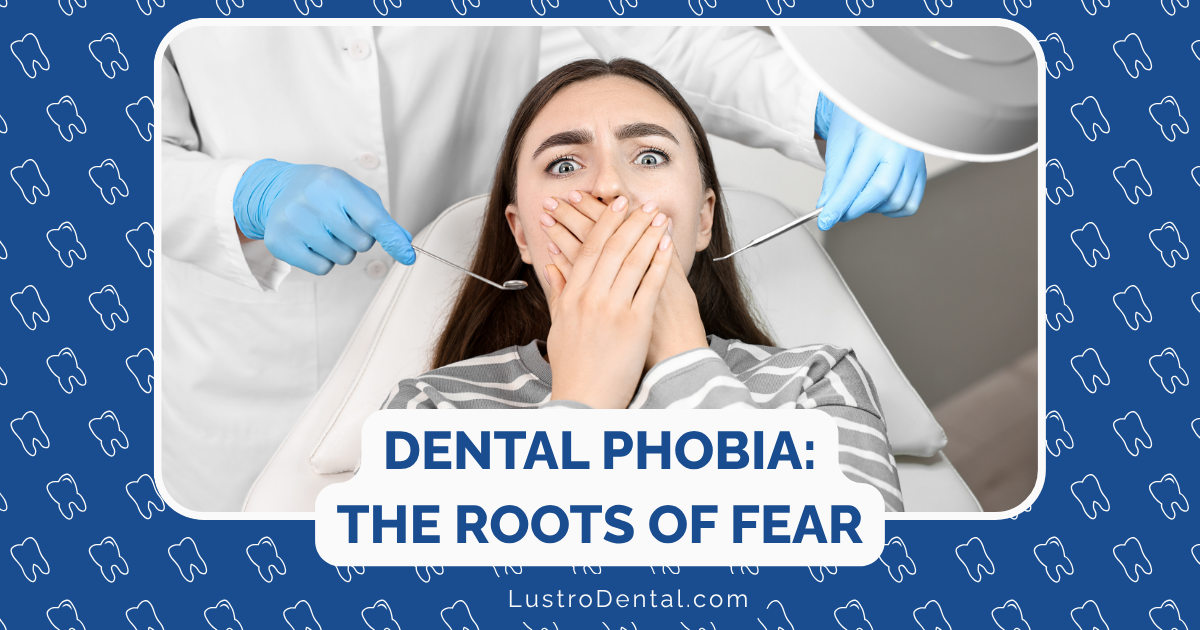
The sound of the drill. The antiseptic smell. The vulnerable feeling of lying back in the chair with someone peering into your mouth. For many people, these dental office experiences trigger anything from mild unease to paralyzing terror. If you’ve ever postponed a dental appointment or endured a cleaning with white knuckles and racing heart, you’re not alone—and there’s a name for what you’re experiencing.
Dental anxiety and dental phobia affect millions of people worldwide, creating barriers to essential oral healthcare that can have far-reaching consequences. But understanding these conditions is the first step toward overcoming them. In this comprehensive guide, we’ll explore the difference between anxiety and phobia, their causes, impacts, and—most importantly—effective strategies for moving beyond fear toward better dental health.
While the terms “dental anxiety” and “dental phobia” are often used interchangeably, they represent different points on a spectrum of fear.
Dental Anxiety
Dental anxiety is a state of unease, apprehension, or stress specifically related to dental settings or procedures. It’s extremely common, affecting approximately 36% of the population, with another 12% suffering from extreme dental anxiety.
People with dental anxiety might:
Feel nervous or tense before or during appointments
Experience worry or unease when thinking about upcoming dental visits
Have physical symptoms like an increased heart rate or sweaty palms
Still manage to attend dental appointments, albeit with discomfort
“Dental anxiety exists on a continuum,” explains Dr. Rebecca Martinez, a psychologist specializing in health-related anxiety. “Many people experience some level of discomfort around dental visits, but they can typically push through it with some effort.”
Dental Phobia
Dental phobia (odontophobia) represents the severe end of the spectrum. It’s an intense, irrational fear that triggers panic responses and typically leads to complete avoidance of dental care.
According to research published in PMC, about 5-15% of the global adult population experiences high or severe dental anxiety that could be classified as a phobia. For these individuals, even thinking about dental treatment can trigger:
Complete avoidance of dental care, even when in pain
The key distinction lies in the severity and impact: anxiety causes discomfort but can usually be managed, while phobia often results in avoidance behaviors that compromise oral health.
The Psychology Behind Dental Fear
What causes some people to develop dental anxiety or phobia while others remain unfazed? Research points to several contributing factors:
1. Past Traumatic Experiences
Negative dental experiences, particularly during childhood, are the most commonly cited cause of dental anxiety and phobia. These might include:
Painful procedures without adequate pain management
Feeling dismissed or humiliated by dental professionals
Procedures where the patient felt out of control or trapped
Complications or unexpected outcomes from dental work
A study published in the Journal of Dental Research found that approximately 80% of adults with dental phobia could trace their fear to a traumatic dental experience, often from childhood.
2. Vicarious Learning
Not all dental anxiety stems from personal experience. Some people develop fear through:
Hearing others’ negative stories about dental experiences
Media portrayals of dentistry as painful or frightening
Observing anxiety in family members (particularly parents)
Cultural attitudes that reinforce the idea that dental visits are inherently unpleasant
3. Personality and Psychological Factors
Certain psychological traits make some individuals more susceptible to developing dental anxiety:
General anxiety disorders or tendency toward anxious responses
Mood disorders like depression
Post-traumatic stress disorder (PTSD)
Specific fears related to dental stimuli (needles, blood, choking)
Control issues or difficulty surrendering autonomy
4. Cognitive Factors
The thoughts and beliefs people hold about dental treatment significantly influence their emotional responses:
Catastrophic thinking (“This will be unbearable”)
Overestimation of pain (“It’s going to hurt terribly”)
Fear of judgment (“The dentist will criticize my oral hygiene”)
Anticipatory anxiety (“I’ll panic and embarrass myself”)
Understanding these underlying causes is crucial for both patients and dental professionals seeking effective management strategies.
The Vicious Cycle: How Dental Fear Impacts Oral Health
Perhaps the most insidious aspect of dental anxiety and phobia is the self-reinforcing cycle they create:
Fear leads to avoidance of regular dental check-ups and necessary treatments
Avoidance leads to deterioration of oral health and development of problems
Problems become more severe, requiring more invasive, potentially painful treatments
More invasive treatments reinforce fear, leading to further avoidance
This cycle explains why people with dental phobia typically have poorer oral health outcomes, including:
Higher rates of untreated decay
More missing teeth
Greater prevalence of periodontal disease
More frequent dental emergencies
Lower quality of life related to oral health
According to research from Park Meadows Dental Group, poor oral health resulting from dental avoidance has been linked to serious general health issues, including heart disease and respiratory infections.
“What many people don’t realize is that avoiding the dentist doesn’t make problems go away—it allows them to progress to the point where treatment becomes more complex and potentially more uncomfortable,” notes Dr. James Wilson, a dentist who specializes in treating anxious patients. “This unfortunately confirms their fears, making future visits even more daunting.”
Recognizing the Signs: Self-Assessment
How do you know if what you’re experiencing is normal nervousness, dental anxiety, or dental phobia? Consider these indicators:
Signs of Dental Anxiety:
Feeling tense or nervous before or during dental appointments
Difficulty sleeping the night before a dental visit
Increasing nervousness while in the waiting room
Physical symptoms like sweating, increased heart rate, or feeling queasy
Feeling uncomfortable or on edge during procedures
Signs of Dental Phobia:
Intense fear or panic at the thought of dental visits
Avoiding making appointments despite knowing you need dental care
Canceling appointments due to fear
Feeling physically ill (nausea, difficulty breathing) when thinking about dental visits
Crying or feeling extremely distressed in dental settings
Feeling embarrassed or ashamed about the condition of your teeth
If you identify with several items on either list—particularly if your feelings interfere with getting necessary dental care—it may be worth discussing your concerns with both dental and mental health professionals.
Evidence-Based Approaches to Treatment
The good news is that both dental anxiety and phobia respond well to treatment. A multi-faceted approach typically yields the best results:
1. Psychological Approaches
Cognitive Behavioral Therapy (CBT)
CBT has emerged as the gold standard for treating dental phobia, with the strongest evidence base according to multiple systematic reviews. A meta-analysis showed that approximately 77% of patients receiving psychological interventions were regularly visiting the dentist after four years or more.
CBT for dental anxiety typically involves:
Cognitive restructuring: Identifying and challenging unhelpful thoughts and beliefs about dental treatment
Exposure therapy: Gradual, controlled exposure to feared dental situations
Applied relaxation: Learning techniques to manage physical symptoms of anxiety
Coping skills training: Developing specific strategies to use during dental visits
A typical CBT treatment program consists of 5-8 sessions with a trained therapist, often in collaboration with dental professionals.
Other Psychological Approaches:
Mindfulness-based interventions: Teaching patients to observe their thoughts and feelings without judgment
Hypnotherapy: Using suggestion to create a state of focused attention and reduced peripheral awareness
Systematic desensitization: Gradually exposing patients to increasingly anxiety-provoking dental scenarios while in a relaxed state
2. Pharmacological Approaches
For some patients, especially those with severe phobia who need immediate dental treatment, medication may be appropriate:
Anxiolytic Medications:
Benzodiazepines (like diazepam or lorazepam) for short-term management of anxiety
Selective serotonin reuptake inhibitors (SSRIs) for long-term management of underlying anxiety disorders
Sedation Options:
Minimal sedation: Nitrous oxide (“laughing gas”) that leaves you awake but relaxed
Moderate sedation: Oral or IV medications that make you drowsy but still responsive
Deep sedation: Medications that put you on the edge of consciousness but still responsive to stimulation
General anesthesia: Complete unconsciousness during the procedure
“While pharmacological approaches can be invaluable for getting through necessary treatment, they don’t address the underlying fear,” cautions Dr. Martinez. “Ideally, they should be used as a bridge to psychological interventions that provide longer-lasting benefits.”
3. Dental Environment and Approach
How dental professionals manage anxious patients can significantly impact their experience:
Communication Strategies:
Clear explanations of procedures and what to expect
Establishing signals for patients to indicate distress
Regular check-ins during procedures
Validation of the patient’s feelings without judgment
Environmental Considerations:
Calming office design and atmosphere
Reduced sensory triggers (masking sounds of drills, minimizing clinical smells)
Specialized training for dental professionals in working with diverse needs
The Future of Anxiety Management in Dentistry
Innovations in dental anxiety management continue to emerge:
Technological Advances
Virtual reality (VR) distraction systems showing promise in reducing perceived pain and anxiety
Computer-aided CBT programs making psychological interventions more accessible
Pain-free injection systems and needle-free anesthesia delivery
Intraoral cameras allowing patients to see what the dentist sees, increasing transparency
Integrated Care Models
The Dental Fears Research and Treatment Center in Gothenburg, Sweden has pioneered an interdisciplinary approach where psychologists, dentists, and dental nurses collaborate to address both psychological and dental needs simultaneously. This model shows promising outcomes and may become more widespread.
Training for Dental Professionals
Increasing emphasis on communication skills and psychological approaches in dental education may help future generations of dentists better manage patient anxiety from the outset.
Moving Forward: A Path to Dental Wellness
Dental anxiety and phobia are real, valid concerns that deserve compassionate attention—not dismissal or shame. With the right support and strategies, even those with severe dental phobia can overcome their fears and achieve good oral health.
If dental anxiety has kept you from receiving the care you need, remember that:
You’re not alone—millions of people share similar feelings
Effective treatments exist and have strong scientific support
Many dental professionals are increasingly skilled at working with anxious patients
Taking even small steps toward addressing your fear can lead to significant improvements in both your oral health and quality of life
The journey beyond fear begins with acknowledgment and reaches toward a future where dental visits, while perhaps never your favorite activity, no longer control your health choices or trigger overwhelming distress.
Have you overcome dental anxiety or phobia? What strategies worked best for you? Share your experiences in the comments below to help others on their journey toward better dental health.