🦷 General Care
✨ Treatments
👶 Family Care
💚 Wellness
💡 Resources

🦷 General Care
✨ Treatments
👶 Family Care
💚 Wellness
💡 Resources

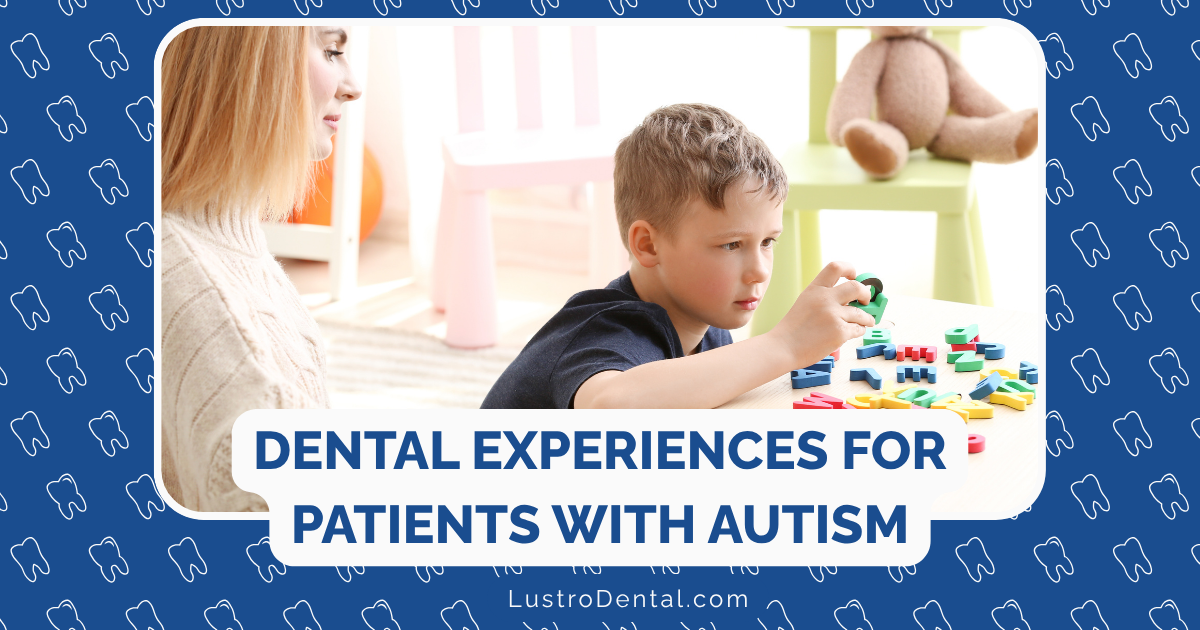
As a dental professional who’s spent years working with diverse patient populations, I’ve seen firsthand how challenging dental visits can be for individuals with autism spectrum disorder (ASD). The bright lights, unfamiliar sounds, strange tastes, and necessary physical proximity can transform what many consider a routine checkup into an overwhelming sensory marathon.
But here’s the truth that keeps me motivated: with thoughtful adaptations and genuine understanding, we can transform these potentially stressful experiences into positive ones. Let’s explore practical strategies that can make a world of difference for our patients with autism.
According to the latest CDC data, approximately 1 in 36 children in the United States has been diagnosed with autism spectrum disorder—a significant increase from previous estimates. This means that dental practices everywhere are serving more patients with autism than ever before.
Individuals with autism often experience the dental environment differently due to:
These challenges help explain why children with ASD have higher rates of untreated dental caries and oral health issues compared to neurotypical peers. But this doesn’t have to be the case.
The physical environment plays a crucial role in creating positive dental experiences. Consider these modifications:
Dr. Michelle Harmon, a pediatric dentist specializing in treating patients with special needs, notes: “Creating a sensory-friendly environment isn’t about expensive equipment—it’s about thoughtful modifications that show patients we understand their unique needs.”
One of the most effective strategies for creating positive dental experiences happens before the patient even arrives.
Social stories are personalized narratives that help individuals with autism understand what to expect in specific situations. Creating a social story about visiting the dentist can significantly reduce anxiety.
Elements to include:
Many dental practices now offer downloadable social stories on their websites, or you can work with the patient’s family to create a customized version.
Consider offering “practice visits” that allow patients to:
These visits build familiarity and trust without the pressure of actual treatment. Research shows that desensitization techniques can significantly reduce anxiety for patients with autism during subsequent visits.
Clear, consistent communication forms the foundation of positive dental experiences for patients with autism.
A parent of a 12-year-old with autism shared: “The moment our dentist started using visual countdown timers and giving my son choices, dental visits transformed from nightmares into manageable experiences. Being understood made all the difference.”
No two patients with autism are alike, so individualized approaches are essential.
Dr. John Hansford, who has treated patients with autism for over 15 years, emphasizes: “The key is flexibility. What works for one patient may not work for another. We need to be willing to adapt our approach based on individual needs.”
Collaboration with families, caregivers, and other healthcare providers creates a comprehensive support network.
The Autism Speaks Dental Toolkit provides excellent resources for both families and dental professionals looking to improve oral healthcare experiences.
For dental professionals committed to serving patients with autism effectively:
What truly matters are the real-world outcomes these approaches create. Consider these transformations:
“After three failed attempts at different dental offices, we found a practice that used visual schedules and allowed my son to wear his noise-canceling headphones. He’s now had two successful cleanings and actually asks when we get to go back to the dentist!” – Parent of an 8-year-old with autism
“By breaking down the dental visit into five-minute segments with breaks in between, we’ve been able to complete full examinations for patients who previously couldn’t tolerate even sitting in the dental chair.” – Dental hygienist specializing in special needs care
Creating positive dental experiences for patients with autism isn’t just about completing necessary procedures—it’s about building trust, fostering independence, and establishing lifelong oral health habits.
By implementing sensory-friendly environments, clear communication strategies, and individualized approaches, dental professionals can make a profound difference in the lives of patients with autism and their families.
Remember that each positive experience builds upon the last, gradually transforming dental visits from sources of anxiety into manageable, even positive, parts of life.
For more resources on creating autism-friendly dental practices, visit the American Academy of Pediatric Dentistry’s special needs resources or Autism Speaks’ dental resources.
Have you implemented strategies that have helped create positive dental experiences for patients with autism? Share your experiences in the comments below.