🦷 General Care
✨ Treatments
👶 Family Care
💚 Wellness
💡 Resources

🦷 General Care
✨ Treatments
👶 Family Care
💚 Wellness
💡 Resources

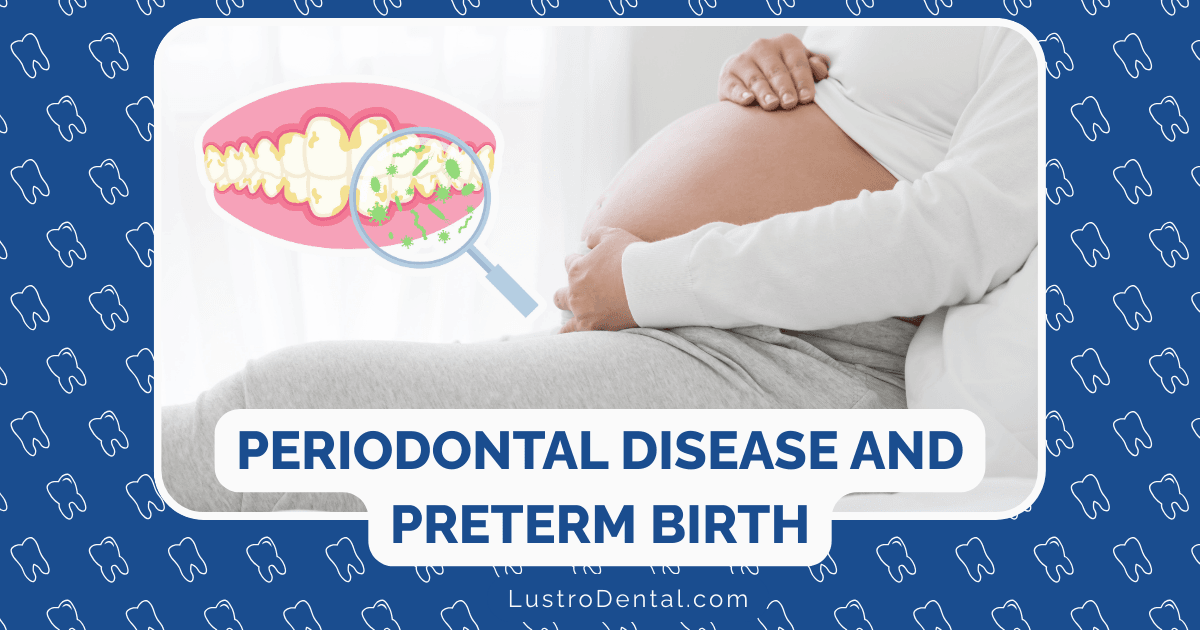
As a dental health advocate, I’ve witnessed firsthand how oral health issues can impact overall wellbeing. One connection that deserves particular attention is the relationship between periodontal disease and pregnancy outcomes—specifically preterm birth. This topic isn’t just academically interesting; it has real implications for expectant mothers and their babies.
Periodontal disease, commonly known as gum disease, is a bacterial infection that affects the tissues surrounding and supporting the teeth. It begins as gingivitis—characterized by red, swollen gums that bleed easily—and can progress to periodontitis, where the infection damages the bone supporting the teeth.
According to the World Health Organization, periodontal disease affects approximately 19% of the adult population worldwide. However, pregnant women face a higher risk due to hormonal changes that occur during pregnancy.
Pregnancy creates a perfect storm for gum problems. The hormonal fluctuations—particularly increased levels of progesterone and estrogen—can exacerbate inflammatory responses in the gum tissues. This leads to what dentists often call “pregnancy gingivitis,” which affects between 36-100% of pregnant women, according to recent studies.
Dr. Sarah Johnson, a leading periodontist at the University of California, explains: “The gums become more sensitive to plaque during pregnancy. Even women with previously excellent oral hygiene may notice their gums becoming more tender and prone to bleeding.”
Preterm birth—defined as birth occurring before 37 weeks of gestation—is a leading cause of infant mortality and long-term health complications. For years, researchers have investigated whether periodontal disease might contribute to this serious pregnancy complication.
A comprehensive nationwide cohort study from Taiwan published in Nature Scientific Reports analyzed data from over 1.7 million pregnant women. The findings were significant: women with periodontal disease had an 11.38% rate of preterm birth, compared to 10.56% for those without periodontal issues.
The odds ratio for preterm birth was 1.09 for women with advanced periodontal disease and 1.05 for those with mild periodontal disease. This suggests a dose-response relationship—the more severe the periodontal disease, the higher the risk of preterm birth.
Another study published in BMC Pregnancy and Childbirth in March 2025 found that women with poor oral health had significantly higher inflammatory markers in their blood. While the study didn’t establish periodontal disease as an independent predictor of preterm low birth weight, it did suggest that its effects might be mediated through systemic inflammation.
Understanding the “why” behind this connection helps us appreciate its importance. There are several proposed mechanisms:
Periodontal disease involves harmful bacteria that can enter the bloodstream and potentially reach the placenta and amniotic fluid. Recent histological studies have confirmed the presence of periodontal pathogens in embryonic tissues, including the placenta and umbilical cord blood.
Periodontal disease triggers the release of inflammatory mediators like prostaglandins, interleukins, and tumor necrosis factors. These same inflammatory compounds play a role in the initiation of labor. When elevated due to gum infection, they may potentially trigger premature contractions.
As Dr. Michael Roberts from the American Academy of Periodontology notes: “The mouth is not isolated from the rest of the body. Inflammation anywhere can affect inflammation everywhere.”
The maternal immune response to oral pathogens might inadvertently affect the fetomaternal unit, potentially leading to adverse pregnancy outcomes.
The good news is that periodontal disease is largely preventable and treatable. Here’s what expectant mothers should know:
According to the American Dental Association, preventive, diagnostic, and restorative dental treatment is safe throughout pregnancy. This includes:
The misconception that dental treatment should be avoided during pregnancy can actually lead to worsened oral health problems that might impact pregnancy outcomes.
Maintaining excellent oral hygiene is your first line of defense:
For women experiencing morning sickness, vomiting can expose teeth to stomach acids. Rather than brushing immediately after vomiting (which can damage enamel), rinse with a teaspoon of baking soda in a cup of water to neutralize acids, then brush about 30 minutes later.
This is where the research becomes more nuanced. While the association between periodontal disease and preterm birth seems clear, the evidence that treating periodontal disease during pregnancy prevents preterm birth is less conclusive.
A systematic review published in early 2025 analyzed five randomized clinical trials involving nearly 2,000 pregnant women with periodontal disease. While four of the five studies showed a trend favoring non-surgical periodontal treatment as a preventive measure for preterm birth, none of the results reached statistical significance.
The European Federation of Periodontology states that periodontal treatment during pregnancy is safe and effective for improving maternal oral health, but it does not appear to significantly reduce the risk of adverse pregnancy outcomes.
The American College of Obstetricians and Gynecologists recommends that obstetricians conduct an oral health assessment during the first prenatal visit and refer patients for dental care as needed. Unfortunately, studies show that approximately 35% of U.S. women don’t have a dental visit within a year, and 56% don’t visit a dentist during pregnancy.
Even more concerning, about 59% of women report receiving no counseling about oral health during pregnancy. This represents a significant missed opportunity for prevention and early intervention.
The relationship between periodontal disease and preterm birth highlights the interconnectedness of our body systems. While researchers continue to investigate the exact nature of this relationship, the evidence supports several clear recommendations:
Remember, maintaining good oral health during pregnancy isn’t just about protecting your teeth and gums—it may also contribute to a healthier pregnancy and a healthier start for your baby.
By taking a proactive approach to periodontal health, expectant mothers can potentially reduce their risk of preterm birth while ensuring their own comfort and wellbeing throughout pregnancy.