🦷 General Care
✨ Treatments
👶 Family Care
💚 Wellness
💡 Resources

🦷 General Care
✨ Treatments
👶 Family Care
💚 Wellness
💡 Resources

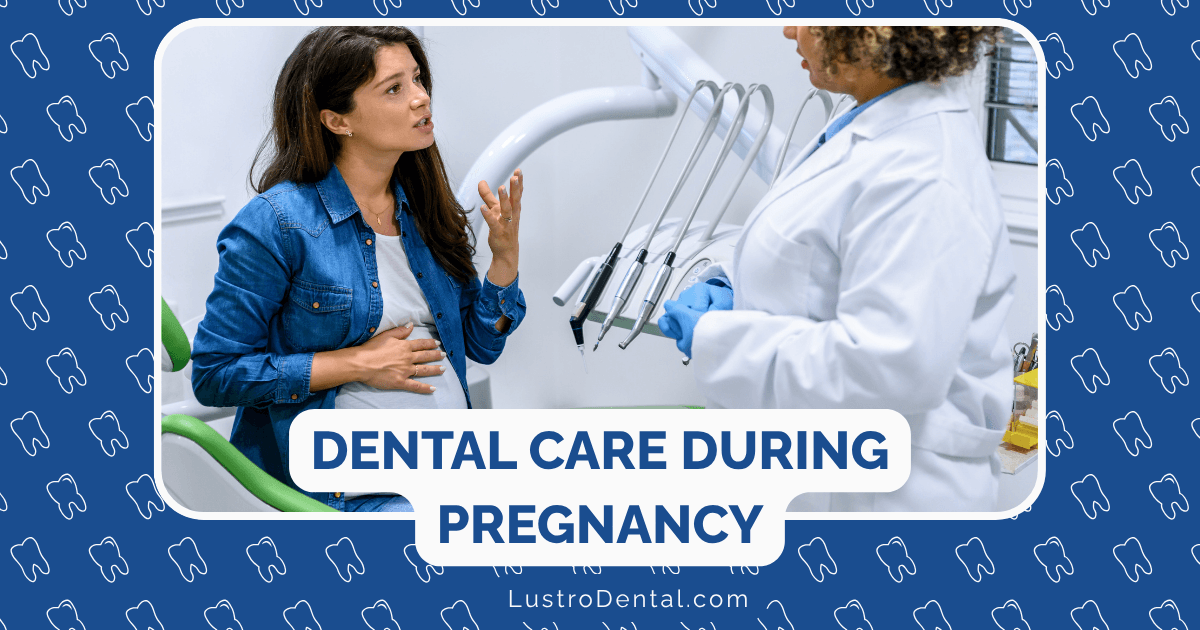
When I found out I was pregnant with my first child, I canceled my upcoming dental appointment faster than you can say “morning sickness.” Like many expectant mothers, I was convinced that dental X-rays and procedures were off-limits during pregnancy. It wasn’t until a throbbing toothache in my second trimester forced me to reconsider that I learned how misguided my fears had been.
If you’re pregnant and wrestling with dental anxiety, you’re not alone. A 2023 survey found that over 60% of pregnant women avoid dental visits due to concerns about treatment safety. But here’s the reality: postponing necessary dental care during pregnancy often creates more risks than it prevents.
Let’s separate the facts from the fears when it comes to X-rays and dental procedures during pregnancy.
Few words trigger more anxiety in pregnant women than “radiation.” It’s understandable—we’re hardwired to protect our developing babies from potential harm. But when it comes to dental X-rays, the facts paint a reassuring picture.
According to the American Dental Association, a full-mouth series of dental X-rays exposes a patient to approximately 0.035 millisieverts (mSv) of radiation. For perspective:
“When I explain these numbers to my pregnant patients, I often see visible relief,” says Dr. Marian Chen, a maternal-fetal medicine specialist. “The radiation from dental X-rays is truly minimal, especially with today’s digital technology.”
Interestingly, in February 2024, the American Dental Association released updated recommendations on dental radiography safety. The most notable change? The use of lead abdominal aprons is no longer considered necessary, even for pregnant patients.
This shift reflects advances in modern X-ray equipment, which now restricts the beam size to just the area of interest, dramatically reducing scatter radiation. However, many dental offices still use these shields as an extra precaution and for patient comfort.
While routine X-rays might be postponed until after pregnancy, diagnostic X-rays should never be delayed if they’re needed to address a dental problem. Untreated dental infections pose a far greater risk to both mother and baby than the minimal radiation exposure from X-rays.
Sarah, a mother of two from Chicago, shares: “I developed an excruciating toothache during my first trimester. My dentist explained that diagnosing the problem required an X-ray, and that postponing treatment could lead to a serious infection. I’m so glad I trusted her advice—the root canal saved me from weeks of pain and potential complications.”
Different stages of pregnancy bring different considerations for dental work. Here’s a trimester-by-trimester breakdown:
During these critical weeks of organ development, many dentists prefer to postpone elective procedures. However, the American College of Obstetricians and Gynecologists confirms that emergency dental care is safe at any point during pregnancy.
Safe procedures during the first trimester:
Procedures typically postponed:
The second trimester is widely considered the ideal time for dental work. By this point:
Safe procedures during the second trimester:
“I schedule most pregnant patients for their routine care during the second trimester,” explains Dr. James Wilson, a dentist specializing in maternal oral health. “It’s the sweet spot where patients are generally feeling better and can comfortably recline in the dental chair.”
As your due date approaches, extended time in the dental chair can become uncomfortable. Additionally, lying flat on your back may put pressure on major blood vessels.
Safe procedures during the third trimester:
Procedures typically postponed:
Perhaps no aspect of dental care generates more pregnancy anxiety than anesthesia and medications. Let’s address the most common concerns:
The Facts: Local anesthetics with epinephrine—such as lidocaine, bupivacaine, and mepivacaine—are categorized as Pregnancy Category B medications, meaning animal studies have revealed no evidence of harm to the fetus.
The American Dental Association and American College of Obstetricians and Gynecologists both confirm that these anesthetics are safe during pregnancy.
The Fiction: Local anesthetics cross the placenta and harm the baby.
The Reality: While small amounts may cross the placenta, the concentrations are far too low to affect the developing fetus.
The Facts: Nitrous oxide is classified as a Pregnancy Category C medication, meaning risk cannot be ruled out. Most dental professionals recommend avoiding its use, particularly during the first trimester.
The Fiction: A single exposure to nitrous oxide will harm the baby.
The Reality: While the conservative approach is to avoid nitrous oxide, limited evidence suggests that occasional, brief exposure poses minimal risk. However, alternative pain management options are preferred during pregnancy.
The Facts: Several antibiotics are considered safe during pregnancy, including:
The Fiction: All antibiotics are harmful during pregnancy.
The Reality: While certain antibiotics (like tetracycline) should be avoided during pregnancy as they can affect fetal bone growth and tooth development, many others are safe and sometimes necessary to treat infections.
Pregnancy brings hormonal changes that can affect your oral health in surprising ways. Being aware of these potential issues can help you address them proactively:
Affecting 60-75% of pregnant women, pregnancy gingivitis causes gums to become red, swollen, and prone to bleeding. Regular professional cleanings and diligent home care can prevent this condition from progressing to more serious periodontal disease.
Morning sickness exposes your teeth to stomach acid, which can erode enamel. After vomiting, rinse with a solution of baking soda and water (not plain water, which can spread the acid) and wait at least 30 minutes before brushing.
Despite their alarming name, these growths on the gums are benign and usually disappear after delivery. If one becomes uncomfortable or interferes with eating, your dentist can safely remove it during pregnancy.
To ensure you’re receiving appropriate care during pregnancy, consider asking these questions:
The consensus among dental and medical professionals is clear: maintaining good oral health during pregnancy benefits both mother and baby. According to research published by Cigna, pregnant women with gum disease may have a higher risk of preterm birth or delivering low birth weight babies.
“I’ve seen too many patients suffer unnecessarily because they avoided dental care during pregnancy,” notes Dr. Wilson. “The irony is that by trying to protect their babies, they sometimes created situations that posed greater risks to their pregnancies.”
Remember:
By understanding the facts about dental care during pregnancy, you can make informed decisions that protect both your oral health and your baby’s well-being. After all, a healthy mom is the best gift you can give your growing baby.
Have you had dental work during pregnancy? What was your experience like? Share your story in the comments to help other expectant mothers navigate this often confusing aspect of prenatal care.