🦷 General Care
✨ Treatments
👶 Family Care
💚 Wellness
💡 Resources

🦷 General Care
✨ Treatments
👶 Family Care
💚 Wellness
💡 Resources

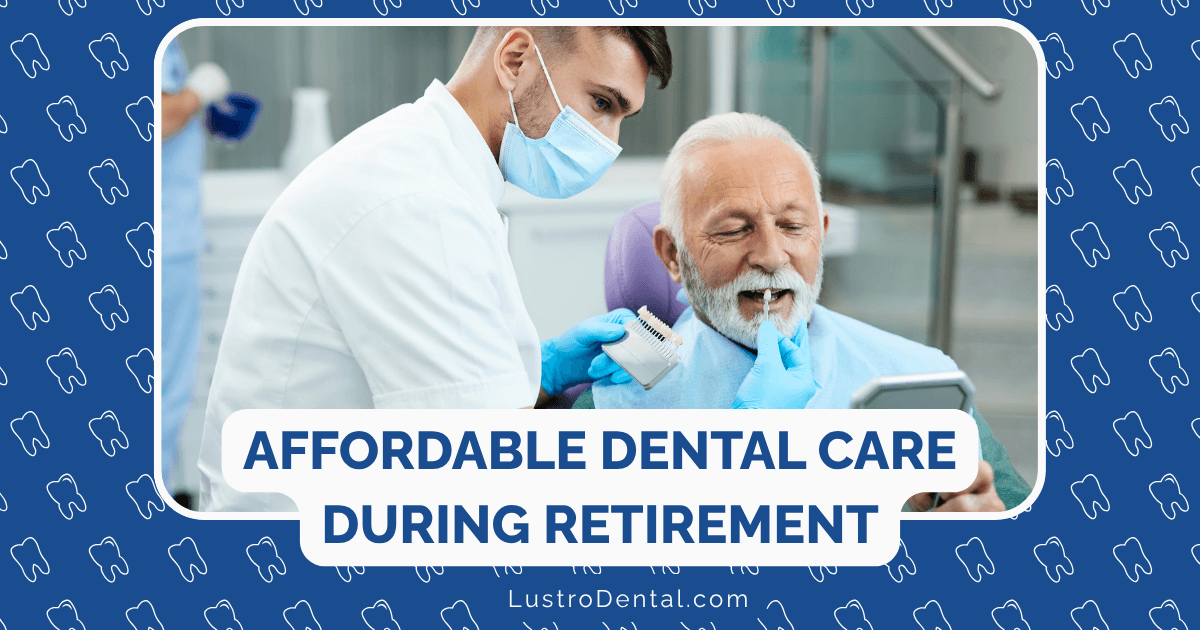
When I retired at 67, I had a solid financial plan for housing, utilities, groceries, and even some travel. What I hadn’t adequately prepared for? Dental expenses. After decades of employer-sponsored dental insurance, I was shocked to discover that Medicare wouldn’t cover my routine cleanings, let alone the crown I suddenly needed six months into retirement.
I’m not alone in this oversight. According to data from Smiles Included, approximately 65% of seniors have no dental insurance, and almost half of Medicare beneficiaries hadn’t visited a dentist in the previous year. For many retirees living on fixed incomes, dental care becomes a luxury they feel they can’t afford—often with serious consequences for both oral and overall health.
But here’s the good news: maintaining good dental health during retirement doesn’t have to break the bank. With some strategic planning, preventive care, and knowledge of available resources, you can keep your smile healthy without sacrificing your financial security.
First, let’s address the elephant in the room: the significant gap in dental coverage for seniors.
Traditional Medicare (Parts A and B) provides almost no coverage for routine dental care. According to the Centers for Medicare & Medicaid Services, Medicare generally doesn’t cover:
There are only a few exceptions where Medicare might cover dental services:
Without insurance, the out-of-pocket costs for dental care can be substantial:
For a retiree on a fixed income, these costs can be prohibitive, leading many to postpone necessary care—a decision that often results in more serious and expensive problems down the road.
Despite the challenges, several options exist to help manage dental costs during retirement:
Medicare Advantage (Part C) plans often include some dental coverage. According to NerdWallet, about 97% of Medicare Advantage plans offer some access to dental care, though benefits vary significantly:
“I opted for a Medicare Advantage plan specifically because it included dental coverage,” shares Robert, a 72-year-old retiree from Ohio. “It doesn’t cover everything, but knowing my cleanings and basic care are covered gives me peace of mind.”
Several insurers offer dental plans specifically designed for seniors:
According to Senior Living, companies like Cigna, Mutual of Omaha, and Aetna offer plans specifically tailored to seniors’ needs, with varying levels of coverage and costs.
These are not insurance but membership programs that provide discounts on dental services:
“After comparing costs, I found that a dental discount plan saved me more than insurance would have,” explains Maria, 70, from Florida. “I pay $150 annually for the plan and save about 40% on all my dental work.”
Many dental practices now offer their own membership plans:
“My dentist offers a senior membership plan for $300 a year that includes two cleanings, exams, X-rays, and 20% off all other treatments,” shares Thomas, 68, from Arizona. “It’s straightforward and actually saves me money compared to what I was paying for insurance.”
The most economical dental strategy in retirement is preventing problems before they start. Here’s how to maximize your preventive efforts:
As we age, our oral health needs change, requiring adjustments to our home care routine:
“I invested in a good electric toothbrush and water flosser when I retired,” notes Patricia, 74, from Washington. “At about $150 total, they’ve been worth every penny in preventing problems.”
Many medications commonly prescribed to seniors can affect oral health:
Your diet significantly impacts your dental health:
Even on a tight budget, professional dental care remains essential:
Beyond insurance and prevention, several strategies can help manage dental costs in retirement:
“I get my dental work done at the local university’s dental school,” says James, 71, from Michigan. “The appointments take longer, but the care is excellent and costs about half what I’d pay elsewhere.”
If you’re still working part-time or have these accounts from previous employment:
Many dentists understand seniors’ financial constraints and offer solutions:
“I was upfront with my dentist about my fixed income,” explains Eleanor, 76, from Texas. “She offered me a 10% senior discount and let me pay for my crown in three monthly installments, which made it manageable on my budget.”
Some seniors travel to other countries for major dental work at reduced costs:
Dental schools and research institutions sometimes conduct clinical trials:
Planning for dental expenses should be part of your overall retirement budget:
Consider setting aside a specific amount monthly for dental care:
Beyond your regular budget, establish a dental emergency fund:
“I put $75 a month into my ‘dental fund,'” shares William, 69, from Colorado. “It covers my regular cleanings, and I’ve built up enough reserve to handle a crown or root canal if needed without financial stress.”
Being an informed, proactive patient can help maximize your dental care dollars:
For major procedures:
Several organizations provide resources specifically for seniors seeking affordable dental care:
While managing dental costs is important, remember that oral health is intrinsically connected to overall health:
“I prioritize my dental care because I understand it’s not just about my teeth—it’s about my whole body,” explains Margaret, 78, from New York. “Preventing dental problems helps me stay healthier overall and actually saves me money on other medical expenses.”
The landscape of dental coverage for seniors may be changing:
Maintaining dental health on a fixed retirement income requires planning, prevention, and knowledge of available resources—but it is absolutely possible. By combining smart insurance choices, preventive strategies, cost-saving approaches, and advocacy for yourself, you can preserve both your oral health and your financial well-being during your retirement years.
Remember: investing in preventive dental care now is almost always less expensive than addressing major problems later. Your smile is worth it—and so is your peace of mind.
Have you found creative ways to manage dental expenses in retirement? Share your experiences and tips in the comments below to help other retirees navigate this important aspect of health and financial planning.