🦷 General Care
✨ Treatments
👶 Family Care
💚 Wellness
💡 Resources

🦷 General Care
✨ Treatments
👶 Family Care
💚 Wellness
💡 Resources

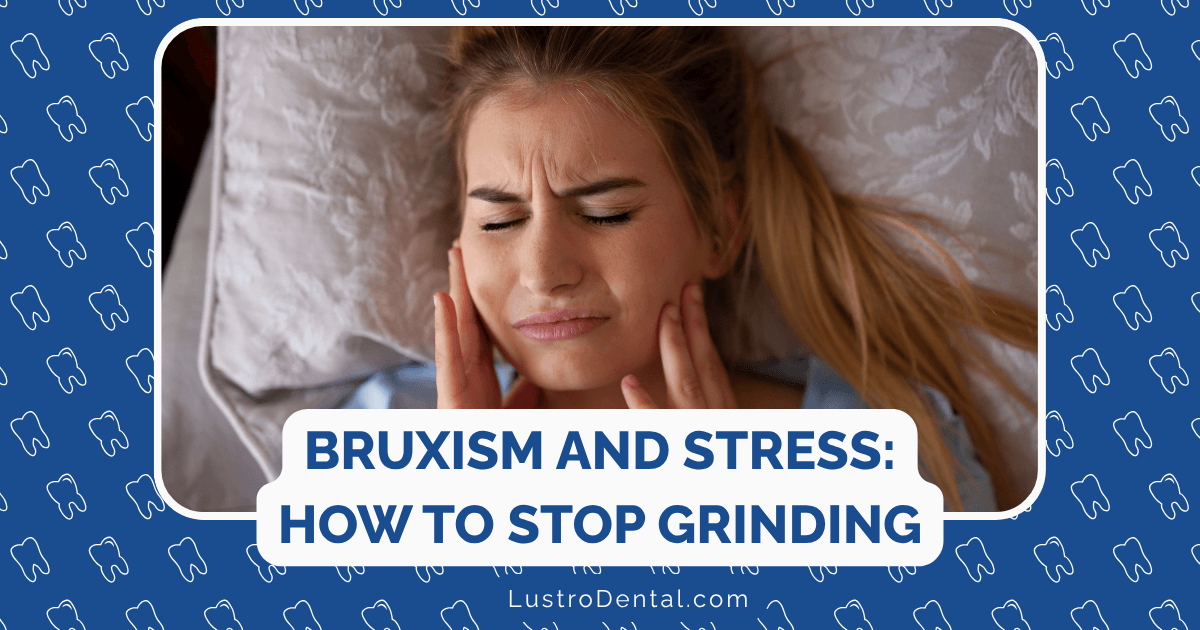
Have you ever woken up with a sore jaw, unexplained headache, or noticed your teeth feeling sensitive? These could be signs of bruxism—a condition characterized by teeth grinding and jaw clenching that affects millions of individuals worldwide. As a dental health advocate, I’ve observed firsthand how this often-overlooked condition can significantly impact oral health and overall well-being.
What makes bruxism particularly concerning is its strong connection to stress—creating a destructive cycle that can be challenging to break. In this comprehensive guide, we’ll explore the intricate relationship between stress and teeth grinding, understand its consequences, and most importantly, discover effective strategies to interrupt this harmful pattern.
Bruxism refers to the habitual, often unconscious grinding, clenching, or gnashing of teeth. According to the National Institute of Dental and Craniofacial Research, this condition can occur during wakefulness (awake bruxism) or sleep (sleep bruxism), with the latter being particularly problematic as it happens involuntarily and often goes unnoticed until symptoms become severe.
Recognizing bruxism early can prevent significant damage to your dental health. Watch for these warning signs:
If you’re experiencing several of these symptoms, it may be time to consult with your dentist for a proper evaluation.
The relationship between stress and teeth grinding represents a classic example of how psychological factors can manifest physically in our bodies. Research consistently shows that stress is one of the primary triggers for bruxism, creating a cyclical pattern that can be difficult to escape.
When we experience stress, our bodies respond by releasing hormones like cortisol and adrenaline—preparing us for a “fight or flight” response. This physiological reaction increases muscle tension throughout the body, including the muscles responsible for jaw movement.
According to a 2024 study published by the Mayo Clinic, this heightened muscle tension can lead to unconscious clenching and grinding, particularly during sleep when our conscious control is diminished. The grinding itself can then cause pain and discomfort, which in turn creates more stress—establishing a self-perpetuating cycle.
Dr. Sarah Johnson, a leading TMJ specialist, explains: “The jaw muscles are incredibly powerful. When activated repeatedly through grinding and clenching, they can exert tremendous force on the teeth and surrounding structures. This not only damages dental health but can create a feedback loop of pain and tension that further exacerbates stress levels.”
Recent neurobiological research provides fascinating insights into why stress triggers bruxism. The mesocortical dopaminergic pathway—a neural circuit involved in stress response—appears to play a crucial role. When stress disrupts this pathway, it can lead to increased muscle activity in the jaw, resulting in grinding and clenching behaviors.
Left untreated, chronic teeth grinding can lead to serious dental and health problems:
The excessive pressure from grinding can wear down tooth enamel, leading to:
The temporomandibular joint (TMJ) connects your jawbone to your skull. Persistent grinding can damage this joint, resulting in:
According to the Cleveland Clinic, approximately 25-33% of individuals with chronic bruxism develop TMJ disorders, which can be painful and difficult to treat.
Sleep bruxism is classified as a sleep-related movement disorder. The grinding noise and movement can:
The constant muscle tension from grinding often leads to:
Perhaps most insidiously, the pain and disruption caused by bruxism can:
Effectively addressing bruxism requires a multi-faceted approach that tackles both the physical symptoms and the underlying stress triggers. Here’s how to break the cycle:
Your dentist should be your first stop if you suspect you have bruxism. They can provide:
A properly fitted dental night guard creates a barrier between your upper and lower teeth, protecting them from grinding damage. While over-the-counter options exist, custom-made guards from your dentist provide superior protection and comfort.
If grinding has already caused dental misalignment, your dentist might recommend treatments to correct bite issues, which can sometimes contribute to bruxism.
Routine dental check-ups allow your dentist to track any changes in tooth wear and adjust treatment accordingly.
Since stress is a primary trigger for bruxism, developing effective stress management strategies is essential:
Research published in the Journal of Dental Research shows that regular mindfulness practice can reduce bruxism episodes by helping individuals become more aware of jaw tension and promoting relaxation.
Try this: Set aside 10 minutes daily for a simple mindfulness practice. Focus on your breathing while scanning your body for tension, paying particular attention to your jaw muscles. When you notice tension, consciously relax those muscles.
This technique involves systematically tensing and then relaxing different muscle groups, helping you recognize the difference between tension and relaxation.
Try this: Before bed, tense each muscle group for 5-10 seconds, then release and notice the feeling of relaxation. Pay special attention to the jaw muscles.
For those with severe stress-related bruxism, working with a therapist trained in CBT can help identify stress triggers and develop healthier coping mechanisms.
Simple changes to your daily habits can significantly impact bruxism:
Establishing a consistent sleep schedule and creating a relaxing bedtime routine can improve sleep quality and reduce nighttime grinding.
Try this: Create a wind-down routine that includes dimming lights, avoiding screens for at least an hour before bed, and engaging in calming activities like reading or taking a warm bath.
Limiting stimulants that can increase muscle activity and interfere with sleep quality:
Regular physical activity helps reduce stress hormones and promotes better sleep quality. Aim for at least 30 minutes of moderate exercise most days of the week.
Specific exercises can help relieve tension in the jaw muscles:
Try this: Place the tip of your tongue against the roof of your mouth just behind your upper front teeth. Allow your teeth to separate and your jaw muscles to relax.
Applying a warm, moist compress to the sides of your face can help relax tight jaw muscles before bedtime.
Open your mouth slightly, then move your jaw gently from side to side and forward and back without causing pain. This helps release tension in the jaw joints.
Modern technology offers innovative approaches to bruxism management:
These devices monitor jaw muscle activity and alert you when you’re clenching, helping you develop greater awareness and control.
Several apps are designed to help track stress levels and provide guided relaxation exercises specifically targeting jaw tension.
While self-management strategies are effective for many, certain situations warrant professional intervention:
Many individuals have successfully overcome bruxism by addressing both its physical and psychological components:
Case Study: Michael’s Journey Michael, a 42-year-old finance professional, had been grinding his teeth for years due to work-related stress. After significant dental damage requiring multiple crowns, he committed to a comprehensive approach:
Within three months, Michael’s dentist noted a significant reduction in new damage, and his morning headaches had virtually disappeared.
Breaking the destructive cycle of stress and teeth grinding requires patience, consistency, and a multi-faceted approach. By understanding the connection between psychological stress and physical grinding, you can take meaningful steps to protect both your dental health and overall well-being.
Remember that progress may be gradual, but even small improvements can significantly impact your quality of life. By combining professional dental care with stress management techniques and lifestyle modifications, you can reduce the frequency and intensity of bruxism episodes.
Your dental health deserves attention and care. If you suspect you might be grinding your teeth, don’t wait until damage occurs—speak with your dental professional about developing a personalized plan to address bruxism and break free from this destructive cycle.
Have you experienced teeth grinding or jaw clenching? What strategies have worked for you? Share your experiences in the comments below.