🦷 General Care
✨ Treatments
👶 Family Care
💚 Wellness
💡 Resources

🦷 General Care
✨ Treatments
👶 Family Care
💚 Wellness
💡 Resources

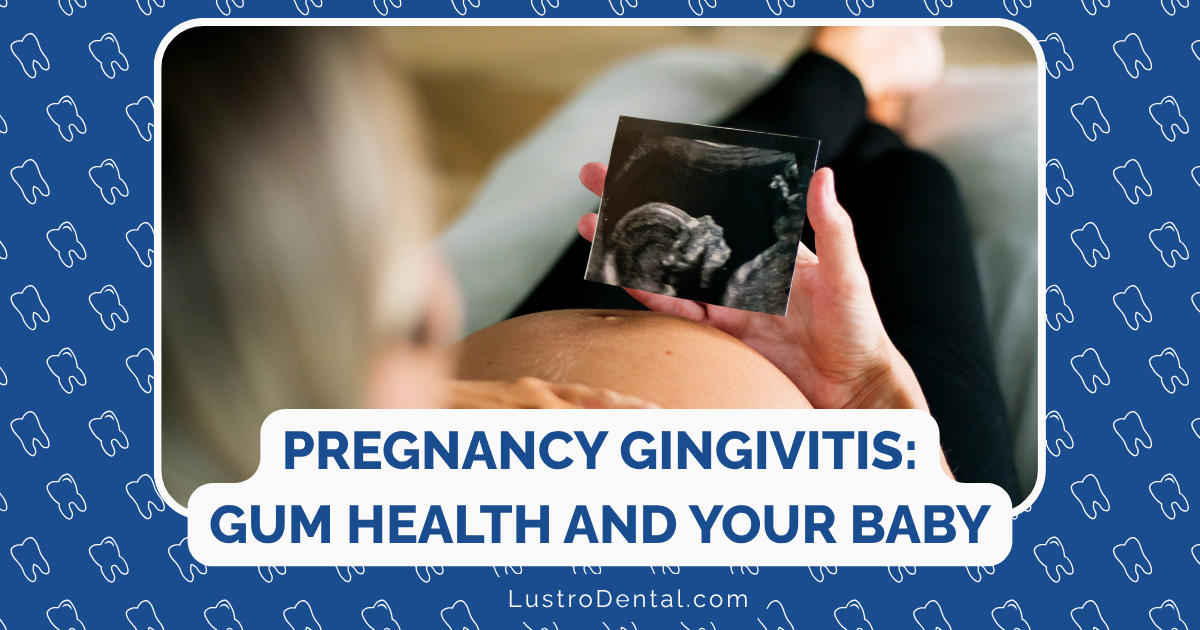
When I talk to expectant mothers about their health concerns, dental care rarely tops their list of priorities. Between prenatal vitamins, baby registry items, and birth plans, gum health often gets overlooked. Yet the connection between your oral health during pregnancy and your baby’s wellbeing is stronger than many realize.
Pregnancy brings joy, anticipation, and significant changes to your body—including your mouth. Those hormonal shifts that cause food cravings and mood swings also affect your gums, making them more susceptible to inflammation and infection. This condition, known as pregnancy gingivitis, affects a remarkable 60-75% of pregnant women, according to the Centers for Disease Control and Prevention (CDC).
What many expectant mothers don’t realize is that this seemingly minor oral health issue could potentially impact their baby’s health. Let’s explore this important connection and the simple steps you can take to protect both your smile and your little one.
Pregnancy gingivitis isn’t just regular gingivitis that happens to occur during pregnancy—it’s directly related to the hormonal changes your body experiences while growing a new life.
During pregnancy, your body experiences a surge in hormones, particularly estrogen and progesterone. These hormones, while essential for supporting your pregnancy, also:
Dr. Amanda Chen, periodontist at Columbia University College of Dental Medicine, explains: “The hormonal fluctuations during pregnancy don’t cause gingivitis directly, but they amplify your body’s inflammatory response to plaque, making even small amounts of bacteria more problematic than they would be otherwise.”
Pregnancy gingivitis typically develops during the second trimester and may continue throughout your pregnancy. Watch for these symptoms:
Many women dismiss these symptoms as just another pregnancy discomfort, but recognizing them early allows for prompt intervention.
You might wonder how something happening in your mouth could possibly affect your developing baby. The connection lies in the inflammatory process and potential bacterial spread.
Gingivitis is fundamentally an inflammatory condition. When left untreated, it can progress to periodontitis, a more severe form of gum disease that affects the supporting structures of your teeth.
This chronic inflammation doesn’t stay contained to your mouth. It triggers a systemic inflammatory response, releasing inflammatory markers like C-reactive protein and prostaglandins into your bloodstream. These substances have been linked to:
The mouth-baby connection isn’t just about inflammation—it’s also about bacteria. The same bacteria that cause gum disease can potentially:
A 2023 systematic review and meta-analysis found that mothers with periodontal disease may have up to seven times the risk of having a preterm or low birth weight baby compared to those with healthy gums.
The numbers paint a compelling picture of why this connection deserves attention:
Dr. Michael Roberts, maternal-fetal medicine specialist at Mayo Clinic, notes: “While many factors contribute to preterm birth, maintaining oral health is one of the most accessible and modifiable risk factors for pregnant women.”
The good news is that pregnancy gingivitis is both preventable and treatable. Here’s how to protect your gums—and potentially your baby—during pregnancy:
Your first line of defense against pregnancy gingivitis is a consistent oral care routine:
Contrary to outdated beliefs, dental care during pregnancy is not only safe but recommended:
The American College of Obstetricians and Gynecologists (ACOG) and the American Dental Association (ADA) both emphasize that routine dental care is safe throughout pregnancy and that necessary procedures shouldn’t be delayed.
Morning sickness presents a particular challenge for dental health, as stomach acid can erode tooth enamel and irritate gum tissue:
Your food choices during pregnancy affect both your baby’s development and your oral health:
If you develop pregnancy gingivitis despite your best prevention efforts, professional treatments can help:
A study from the University of Sydney found that treating gingivitis during pregnancy is associated with a reduced risk of preterm birth and low birth weight, highlighting the importance of not ignoring this condition.
If you have a high-risk pregnancy, communication between your prenatal care provider and dentist becomes even more important:
Dr. Lisa Johnson, obstetrician at Johns Hopkins Medicine, advises: “For patients with high-risk pregnancies, I often recommend a dental evaluation early in pregnancy to address any existing issues, followed by more frequent monitoring throughout gestation.”
The benefits of maintaining good oral health during pregnancy extend beyond reducing risks of preterm birth and low birth weight:
Every pregnancy is unique, but these universal steps can help you create a personalized plan for maintaining optimal oral health:
Pregnancy brings countless decisions about your health and your baby’s wellbeing. Amid the complexity of prenatal care, maintaining good oral health stands out as a relatively simple step with potentially significant benefits.
By understanding the connection between pregnancy gingivitis and your baby’s health, you can take proactive steps to protect both your smile and your little one. Regular dental care, diligent home hygiene, and prompt attention to any gum problems can help ensure that your oral health supports—rather than compromises—a healthy pregnancy.
Remember that caring for your gums isn’t just about preventing discomfort or protecting your smile—it’s a meaningful way to create the healthiest possible start for your baby. And that’s something truly worth smiling about.
Have you experienced pregnancy gingivitis? What strategies helped you manage it? Share your experience in the comments below to help other expectant mothers.
Many expectant mothers have concerns about dental care during pregnancy. Let’s address some common questions:
Yes, dental X-rays can be performed safely during pregnancy when necessary. Modern dental offices use very low radiation doses, and protective lead aprons and thyroid collars provide additional safety. The American Dental Association confirms that no single diagnostic X-ray has a radiation dose significant enough to cause adverse effects in a developing embryo or fetus.
Most dental procedures are safe during pregnancy. Local anesthetics (with epinephrine) used in dentistry don’t cross the placenta in significant amounts. The second trimester is often considered the ideal time for dental treatments, but urgent care should not be delayed regardless of trimester.
Most over-the-counter dental products are safe during pregnancy, but consider:
The old saying “gain a child, lose a tooth” is largely a myth. Pregnancy itself doesn’t cause tooth loss, but untreated periodontal disease can. With proper dental care, you can maintain your oral health throughout pregnancy.