🦷 General Care
✨ Treatments
👶 Family Care
💚 Wellness
💡 Resources

🦷 General Care
✨ Treatments
👶 Family Care
💚 Wellness
💡 Resources

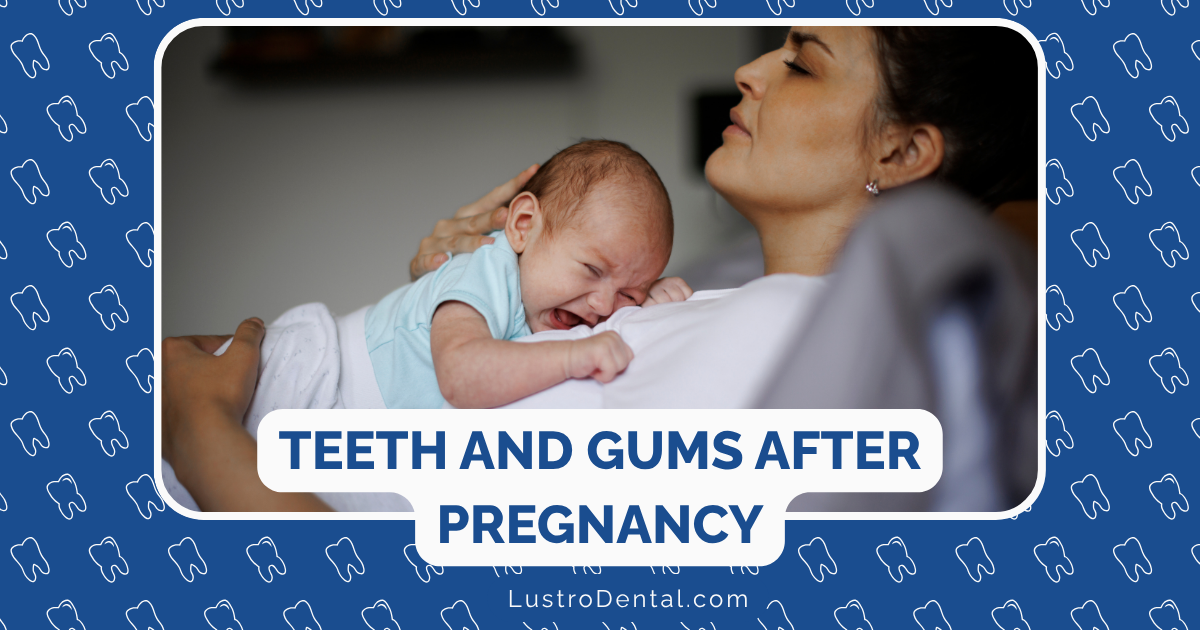
You’ve navigated nine months of pregnancy, made it through delivery, and now you’re adjusting to life with your new baby. Amid midnight feedings and diaper changes, your dental health might be the last thing on your mind. But those pregnancy-related dental changes don’t magically disappear once your baby arrives—and some new challenges might emerge.
As a new mom, your oral health deserves attention, not just for your sake but for your baby’s future dental health too. Let’s explore what happens to your teeth and gums after pregnancy and how you can maintain a healthy smile during this transformative time.
You might have expected your body to return to its pre-pregnancy state immediately after delivery, but the reality is that many changes—including those affecting your oral health—take time to resolve.
“Many women don’t realize that the hormonal roller coaster doesn’t stop at delivery,” explains Dr. Melissa Chen, a dentist specializing in women’s oral health. “While estrogen and progesterone levels drop dramatically after childbirth, they don’t immediately return to pre-pregnancy levels, especially if you’re breastfeeding.”
According to research published in the Journal of Turkish German Gynecological Association, postpartum oral inflammation may persist for up to three months after delivery. This means that pregnancy gingivitis—characterized by red, swollen, and bleeding gums—might continue to be an issue even after your baby arrives.
Beyond hormones, your new lifestyle as a mom introduces several factors that can affect your dental health:
A 2023 study published in PMC found that new mothers often neglect their oral health, with only 27% visiting a dental hygienist during pregnancy and many continuing to postpone care after delivery.
While pregnancy-related gum inflammation typically improves after delivery, it doesn’t always resolve immediately. According to the American Dental Association, about 60-75% of pregnant women develop gingivitis, and many continue to experience symptoms during the postpartum period.
Signs that require attention include:
If you experienced morning sickness during pregnancy, your teeth might have sustained enamel damage from stomach acid exposure. This erosion can continue to cause sensitivity to hot, cold, or sweet foods and beverages after pregnancy.
“Enamel doesn’t regenerate,” notes Dr. Chen. “So any damage sustained during pregnancy needs to be addressed postpartum to prevent further deterioration.”
Several factors contribute to a higher cavity risk after pregnancy:
The stress of caring for a newborn can manifest physically as teeth grinding or jaw clenching, particularly during sleep. This can lead to jaw pain, headaches, and even damage to your teeth over time.
Some women experience increased tooth mobility during pregnancy due to hormonal effects on the ligaments and bones supporting the teeth. While this usually resolves postpartum, persistent looseness should be evaluated by a dentist.
When you’re struggling to find time to shower, brushing for a full two minutes twice daily might seem impossible. Try these practical approaches:
Staying hydrated is crucial, especially if you’re breastfeeding. Dehydration can reduce saliva production, which naturally helps protect your teeth from decay.
If you’re experiencing dry mouth—common during breastfeeding and with disrupted sleep—try these solutions:
According to the American College of Obstetricians and Gynecologists (ACOG), dental care is an important part of postpartum care. Here’s how to make it happen:
Many new mothers worry about the safety of dental procedures while breastfeeding. The good news is that most dental treatments are compatible with breastfeeding.
According to research published in the Journal of Turkish German Gynecological Association:
Some antibiotics commonly prescribed for dental infections require more careful consideration:
Dr. Sarah Johnson, a pediatric dentist and lactation consultant, advises: “Communication is key. Make sure your dentist knows you’re breastfeeding, and don’t hesitate to ask questions about any medications or treatments being recommended.”
Research shows a direct link between a mother’s oral health and her child’s future dental health. According to a study cited in PMC, children born to women with untreated dental cavities are three times more likely to have cavities themselves.
This connection occurs in several ways:
By maintaining your own oral health, you’re laying the groundwork for your child’s future dental well-being.
While some postpartum dental changes are normal, certain symptoms warrant prompt professional attention:
As your body recovers from pregnancy and you adjust to motherhood, consider these strategies for long-term dental health:
Create a sustainable oral hygiene routine that works with your new lifestyle. This might mean shorter but more frequent brushing sessions, or finding creative ways to incorporate flossing into your day.
Consider tools that maximize efficiency:
According to the Centers for Medicare & Medicaid Services (CMS), oral health evaluations are now recognized as an important quality measure for maternal health. Make dental check-ups a regular part of your postpartum care plan.
If you delayed dental treatments during pregnancy, now is the time to address them. Many dental issues only worsen with time, potentially leading to more extensive and expensive treatments later.
Becoming a mother changes everything—including your approach to personal care. While the demands of caring for a newborn are intense, finding small ways to maintain your oral health will benefit both you and your baby in the long run.
Remember that perfect dental care isn’t the goal during this season of life. Small, consistent efforts matter more than perfection. Be gentle with yourself as you navigate this new chapter, and don’t hesitate to ask for help—whether from your partner, family members, or dental professionals.
Your smile has the power to light up your baby’s world. Taking care of it is an investment in both your health and the precious moments you’ll share with your little one.
Have you experienced dental changes after pregnancy? What strategies have helped you maintain your oral health as a new parent? Share your experiences in the comments below!