🦷 General Care
✨ Treatments
👶 Family Care
💚 Wellness
💡 Resources

🦷 General Care
✨ Treatments
👶 Family Care
💚 Wellness
💡 Resources

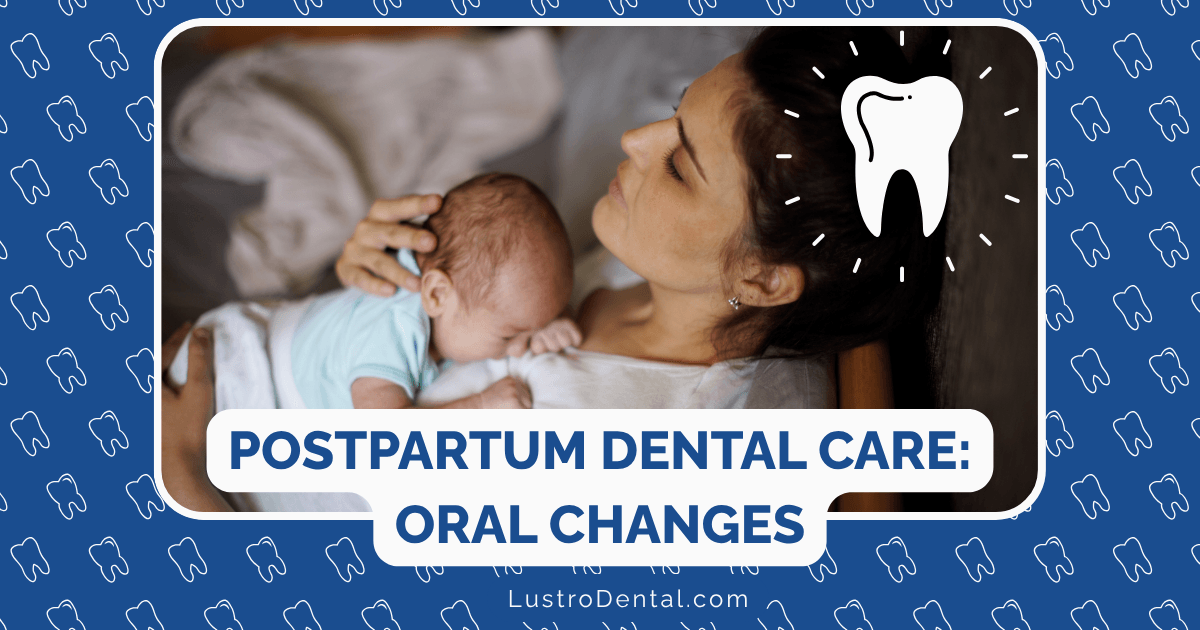
When I brought my newborn home from the hospital, dental care was the last thing on my mind. Between round-the-clock feedings, diaper changes, and the fog of sleep deprivation, brushing my teeth felt like a luxury—let alone scheduling a dental appointment. It wasn’t until I noticed my gums bleeding during a rare moment of self-care that I realized something important: while my pregnancy had ended, its effects on my oral health hadn’t.
If you’ve recently welcomed a little one, you might be experiencing similar dental changes. The postpartum period brings its own set of oral health challenges that many new mothers aren’t prepared for. Let’s explore these changes and how to address them during this transformative time.
That adorable baby in your arms triggered massive hormonal shifts in your body—and those hormones didn’t immediately return to pre-pregnancy levels after delivery. In fact, according to research published in the Journal of Midwifery & Women’s Health, the hormonal fluctuations that affect your oral health can persist for months after childbirth.
“Many of my patients are surprised when I tell them that the puerperal period—approximately 6-8 weeks postpartum—is a critical time for oral health,” explains Dr. Maria Sanchez, a dentist specializing in maternal oral health. “The hormonal roller coaster continues, and it can significantly impact your teeth and gums.”
These ongoing hormonal changes, combined with the realities of new motherhood, create a perfect storm for dental issues:
If you developed “pregnancy gingivitis”—characterized by red, swollen gums that bleed easily—don’t expect it to disappear immediately after delivery. A 2023 study found that oral inflammation can persist for up to three months postpartum, with some women experiencing even longer-lasting effects.
“After my daughter was born, I assumed my bleeding gums would go away on their own,” shares Melissa, a mother of two from Denver. “Six weeks postpartum, I was still seeing blood in the sink when I brushed. My dentist explained that the hormonal changes from pregnancy were still affecting my gums.”
Signs that postpartum gingivitis requires attention include:
If left untreated, postpartum gingivitis can progress to periodontitis, a more serious form of gum disease that can lead to tooth loss.
If you experienced morning sickness during pregnancy, your teeth may have sustained enamel damage from stomach acids. This erosion doesn’t reverse after pregnancy and can lead to increased sensitivity to hot, cold, or sweet foods and beverages.
“I couldn’t enjoy my morning coffee for months after having my son,” recalls Emma from Chicago. “Every sip sent shooting pain through my teeth. My dentist explained that the morning sickness I experienced during pregnancy had worn down my enamel.”
During pregnancy, hormones like relaxin can temporarily loosen the ligaments and bones that hold your teeth in place. While this usually resolves postpartum, some women continue to experience slightly loose teeth for several months after delivery.
Don’t panic if you notice minor tooth mobility—but do mention it to your dentist, as it could also be a sign of periodontal disease in some cases.
Dehydration is common among new mothers, especially those who are breastfeeding. Hormonal changes, medications, and simply forgetting to drink enough water can lead to reduced saliva production.
This matters because saliva plays a crucial role in washing away food particles and neutralizing acids in your mouth. Reduced saliva flow increases your risk of cavities and can contribute to bad breath.
Despite their alarming name, pregnancy tumors (pyogenic granulomas) are benign growths that sometimes develop on the gums during pregnancy due to hormonal changes. While they typically shrink after delivery, some may persist and require professional removal if they cause discomfort or bleeding.
Ideally, aim to see your dentist within 4-6 months after delivery. This timing allows your body to adjust to its new normal while catching any developing issues before they become serious.
“I recommend that all my pregnant patients book a postpartum appointment before they even deliver,” says Dr. James Wilson, a family dentist. “Once the baby arrives, it’s easy to keep postponing dental care as life gets busier.”
During this check-up, your dentist will:
Let’s be honest: your pre-baby dental routine might not be realistic right now. That’s okay. Focus on consistency rather than perfection:
“After my second child, I kept a toothbrush and toothpaste in every bathroom, my nightstand, and even the kitchen,” shares Tanya, a mother of three. “It sounds excessive, but it meant I could brush whenever I found a spare moment, without having to trek upstairs to the main bathroom.”
Your postpartum diet affects not only your overall recovery and milk production (if breastfeeding) but also your dental health:
“I craved sweets constantly while breastfeeding,” admits Jennifer from Seattle. “My dentist suggested keeping cut-up fruit and cheese in the refrigerator for quick snacks instead of reaching for cookies. It satisfied my cravings while supporting my dental health.”
Here’s something many new mothers don’t realize: your oral health directly impacts your baby’s future dental health. Research has shown that mothers with untreated cavities or gum disease can transmit cavity-causing bacteria to their infants through everyday interactions like sharing spoons or cleaning a dropped pacifier with their mouth.
According to the American Academy of Pediatric Dentistry, children whose mothers have poor oral health are more likely to develop early childhood cavities.
Simple ways to protect your baby’s developing oral health include:
Many new mothers worry about the safety of dental treatments while breastfeeding. The good news? Most dental procedures and medications are compatible with breastfeeding.
According to the American Dental Association and LactMed (a database about drugs and lactation), the following are generally considered safe:
These anesthetics pass into breast milk at such low levels that they pose no risk to nursing infants.
Some antibiotics like tetracycline should be avoided while breastfeeding.
“I needed a root canal when my son was two months old and exclusively breastfeeding,” shares Maria from Austin. “I was terrified about the medications affecting my milk, but my dentist consulted with my lactation consultant to ensure everything they used was safe. I didn’t even need to pump and dump.”
Despite understanding the importance of dental care, many new mothers face significant barriers:
Solution: Look for dental practices with extended hours, weekend appointments, or those specifically catering to parents with childcare options.
Solution: Some dental offices welcome babies in the room during simple procedures like cleanings. Alternatively, schedule appointments when a partner, family member, or friend can watch the baby.
Solution: If dental insurance coverage is a concern, ask about payment plans, sliding scale fees, or dental schools that offer reduced-cost care.
Solution: Communicate your concerns clearly with your dental team. Many dentists have experience working with postpartum patients and can offer additional comfort measures.
The postpartum period brings enough challenges without adding dental problems to the mix. By understanding the changes your mouth may experience after pregnancy and taking proactive steps to address them, you’re investing not only in your own health but in your baby’s future well-being too.
Remember that self-care isn’t selfish—it’s essential. Making your oral health a priority is part of being the best parent you can be.
Have you experienced dental changes after pregnancy? What strategies helped you maintain your oral health during the postpartum period? Share your experiences in the comments to help other new mothers navigate this often overlooked aspect of postpartum care.